
PHOTO
New Zealand ranks between 70-79 on the Corruption Perceptions Index (CPI), 100 being very clean and 0 the most corrupt — South Sudan ranks 8 and Venezuela, 10.
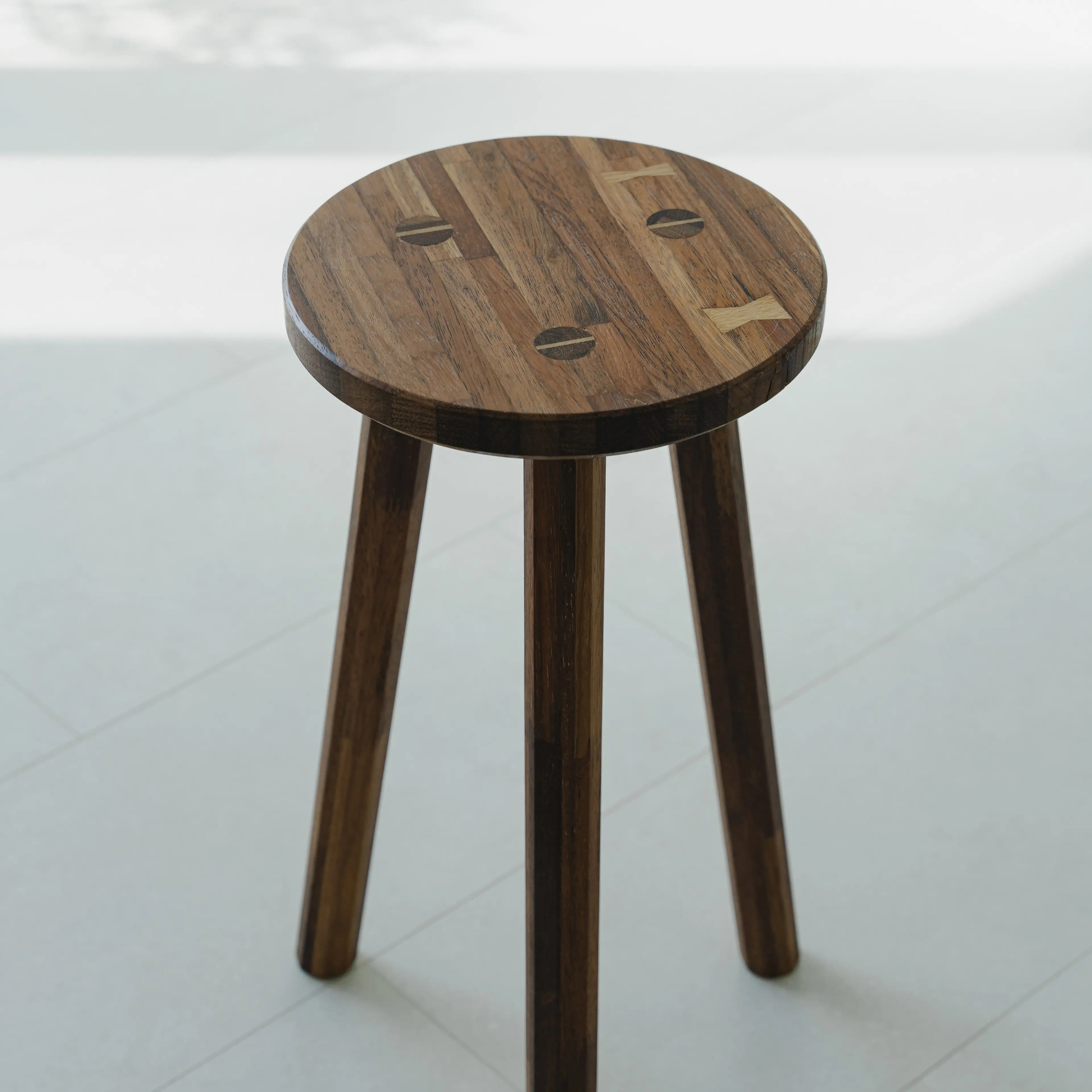
In most workshops, you will usually find a well-worn three-legged stool. A piece of equipment with a high cost/benefit ratio and with a constant maintenance need. Its value and strength belie its status. No patina nor antique value — just something that is taken for granted will support all weights and needs when required.
The three-legged stool has become a synonym for three of the most important institutions throughout the Western world’s democracy: the executive, the legislative and the judiciary.
The executive enforces the law; the legislative body is the parliament where the rules that govern society are made, the supreme authority in the land; the judiciary is the legal body where laws are interpreted and administered.
Reporting on all three without fair or favour is the media, also known as the fourth estate. The media is a self-appointed body, so it’s reasonable to sometimes question their fairness and favour of what gets past the editor’s shredder.
These entities are entirely independent of each other, yet if one fails the others cannot function as they should. As sure as night follows day, a breakdown of society will follow.
The most vital function is the ability for each leg of the stool to be able to operate separately from each other, yet all three legs must operate in unison for a well-functioning society to perform its crucial role in any functioning democracy.
Public confidence in all four institutions mentioned is essential. At present, the stool is looking decidedly shaky with cracks in all legs starting to show — but holding.
That most venerable of media institutions, the BBC, has been caught altering a political statement from the president of the USA so as to deliberately mislead the public. That stunning "caught behind" (to use a cricket analogy) has also removed all notions of complete trust in the wider media. As the BBC has been caught out, how many other news outlets have also doctored political statements and for how long?
The media in New Zealand has also compromised itself by accepting a handout from the previous Labour government of $55 million for what was termed "public interest journalism".
This funding seemed to be dispensed to media companies who advanced a favourable view of government policy. Like it or not, perception and reality are the same thing in this particular instance.
The judiciary is increasingly seen as the entity responsible for the administration of justice. No, it is not.
Its task is to uphold the law and only the law. Justice is quite a different concept from law. Justice is more about the concept of fairness, equitable treatment and even morality, which are all abstract conditions.
The Treaty of Waitangi is not law, yet is treated as such by those who also wish to rewrite and interpret the Treaty for singular gain. It is a kind of "selective opinion law."
The legislative entity (Parliament) drafts the laws of this country and is also entirely responsibility for maintaining our democracy. It is far from clear that our Parliament understands that our democracy is not up for negotiation without the agreement of the majority.
Governments often direct funding toward areas aligned with their political interests, making conflicts of interest evident within both the executive and legislative branches
The executive, who run the country from within government, ensure that enforcement of the law through the public service is a crucial responsibility. Recent events reveal that some tend to shield colleagues instead of addressing senior staff failings.
Were it not for other senior police officers exercising their duty with the utmost integrity, the creeping distrust of law enforcement would continue. This impacts on the reputation and trust in the executive as well.
Despite New Zealand being relatively free of corruption, trust in all our institutions has been compromised to a lesser or greater degree.
The three-legged stool of society must regain and remain completely sound. If it breaks apart, we lose the true legacy of democracy and the fault rests with us all.
— Gerrard Eckhoff is a former Otago regional councillor and Act New Zealand MP.