
PHOTO
Central Otago mayor Tamah Alley says a rates cap being introduced by the government is "pretty frustrating" and councils aren't just spending ratepayer money "willy nilly".
Local Government Minister Simon Watts made the announcement on Tuesday - saying the government was moving ahead with its plan to cap the amount councils can increase rates by to a maximum of 4%.
However, it will not be able to pass the legislation until next term.
Watts said the legislation would put "a brake on excessive increases and [give] ratepayers greater certainty".
He confirmed the average amount households would save is $34 a year.
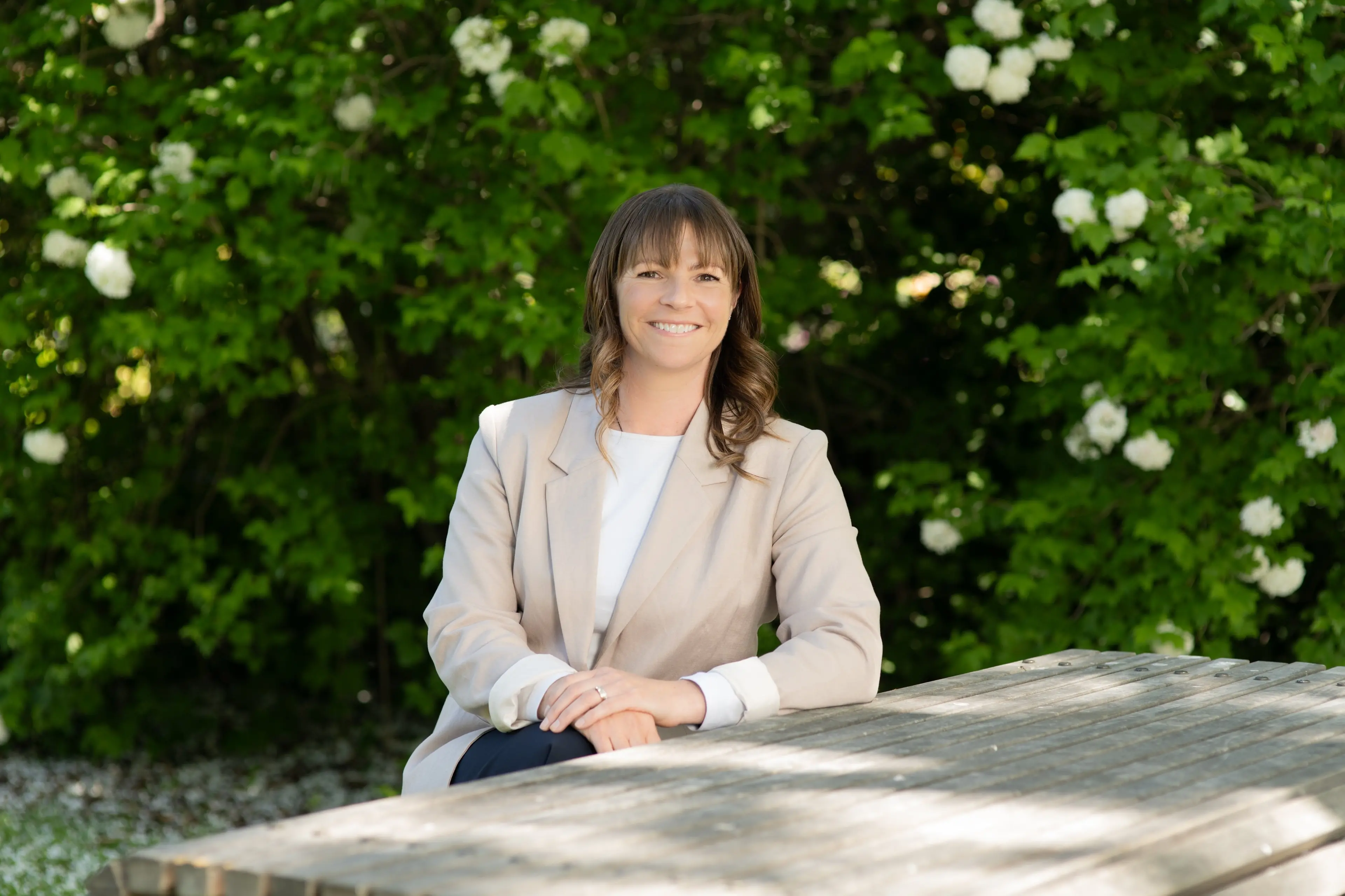
Mayors across the country have been expressing their dismay including Alley, who told RNZ’s Morning Report "it's just pretty frustrating".
"We know that capping of rates has been incredibly popular with the public and we understand why," she said on Wednesday.
“But every mayor, chair and councillor up and down the country has been working so hard over the last few years to catch up on huge infrastructure deficits and provide the services that our communities need and deserve."
Alley said Central Otago's rates remained "pretty low" on a national average but they had seen significant rises. This included a rise of 18%, followed by a rise of 12% - but this year the rise was 6.34%.
The council had experienced large price increases for items they purchased for community facilities, she said.
While they were looking to save money where they could, Alley said they were also trying to keep ahead of the "infrastructure curve" so people could move to the region.
When asked if her council wasted ratepayer money, Alley said she had yet to have someone in her district point out something and say: "That's a waste of money".
She called out the idea that councils were "out there, spending willy nilly", when they too were accountable to the community.
Earlier, Watts told Morning Report some rates rises people in New Zealand were experiencing were unaffordable.
"Under our model, that'll be capped at 4 percent and that means people have certainty.
"At the moment, they've got a rollercoaster of rates increases and it's one of the biggest household expenditure items that households have no control over and we're putting in place a cap that means they'll have certainty on what they pay."
Questioned about how councils would pay their bills, Watts reiterated the importance of ratepayers having certainty.
"Yes, councils are going to have to prioritise, they're gonna have to tighten their belt but guess what? So is every household and business in this country at the moment."
