
PHOTO
DNA technology has detected a previously unknown population of Clutha flatheads in Central Otago.
The Department of Conservation has detected a new population of the endangered fish species using environmental DNA samples.
Doc river ranger Chris Kavasos said Central Otago was home to numerous flathead species found nowhere else in the world.
"It’s amazing to discover a new population ... Now it’s on us to ensure it survives," he said.
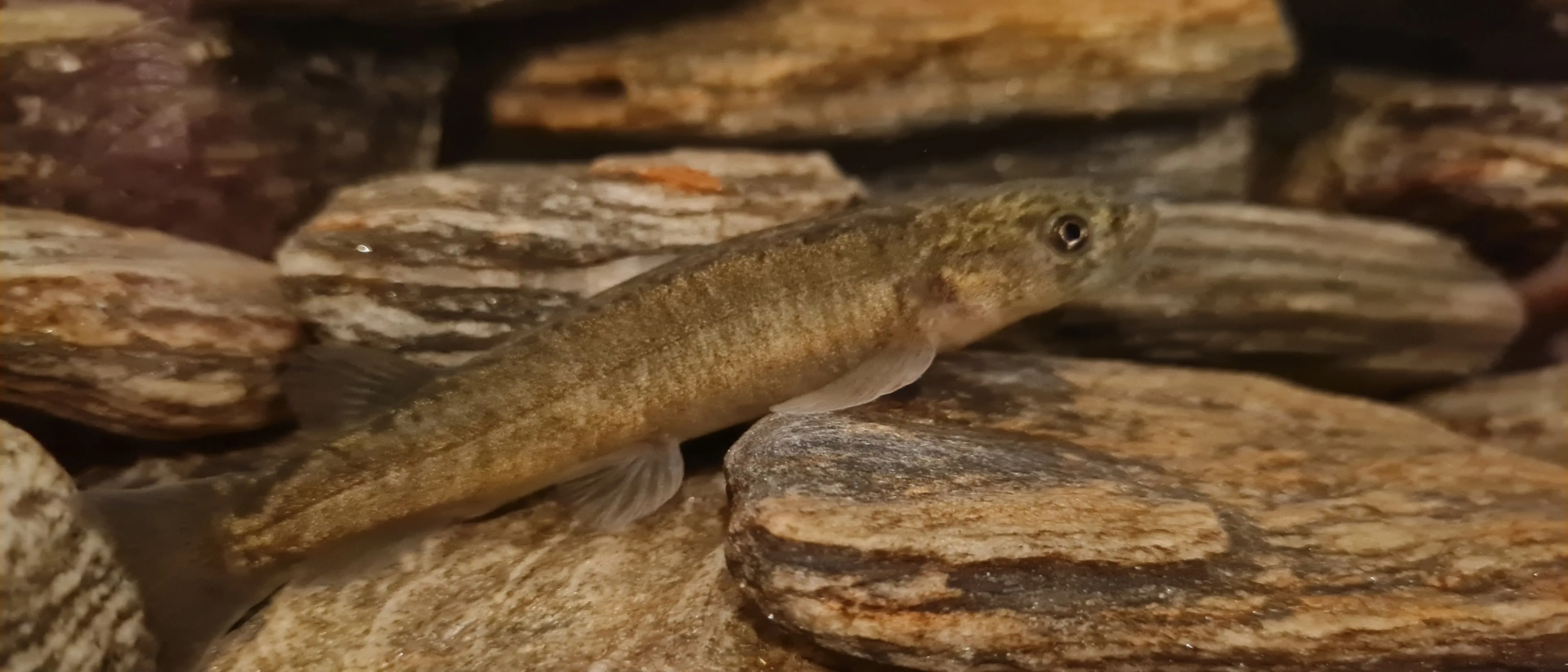
Clutha flatheads were difficult to spot as they blended in with gravel and cobbles in waterways, so taking DNA samples of the water made for a more accurate survey, he said.
Mr Kavasos and his team detected the presence of Clutha flatheads in the Tyre Gully in late 2021 and estimated its population to be in the hundreds.
"It turned out a small waterfall was the only thing stopping trout downstream from migrating up and predating the flatheads."
Clutha flatheads were one of the most endangered galaxids because of trout predation and habitat loss, he said.
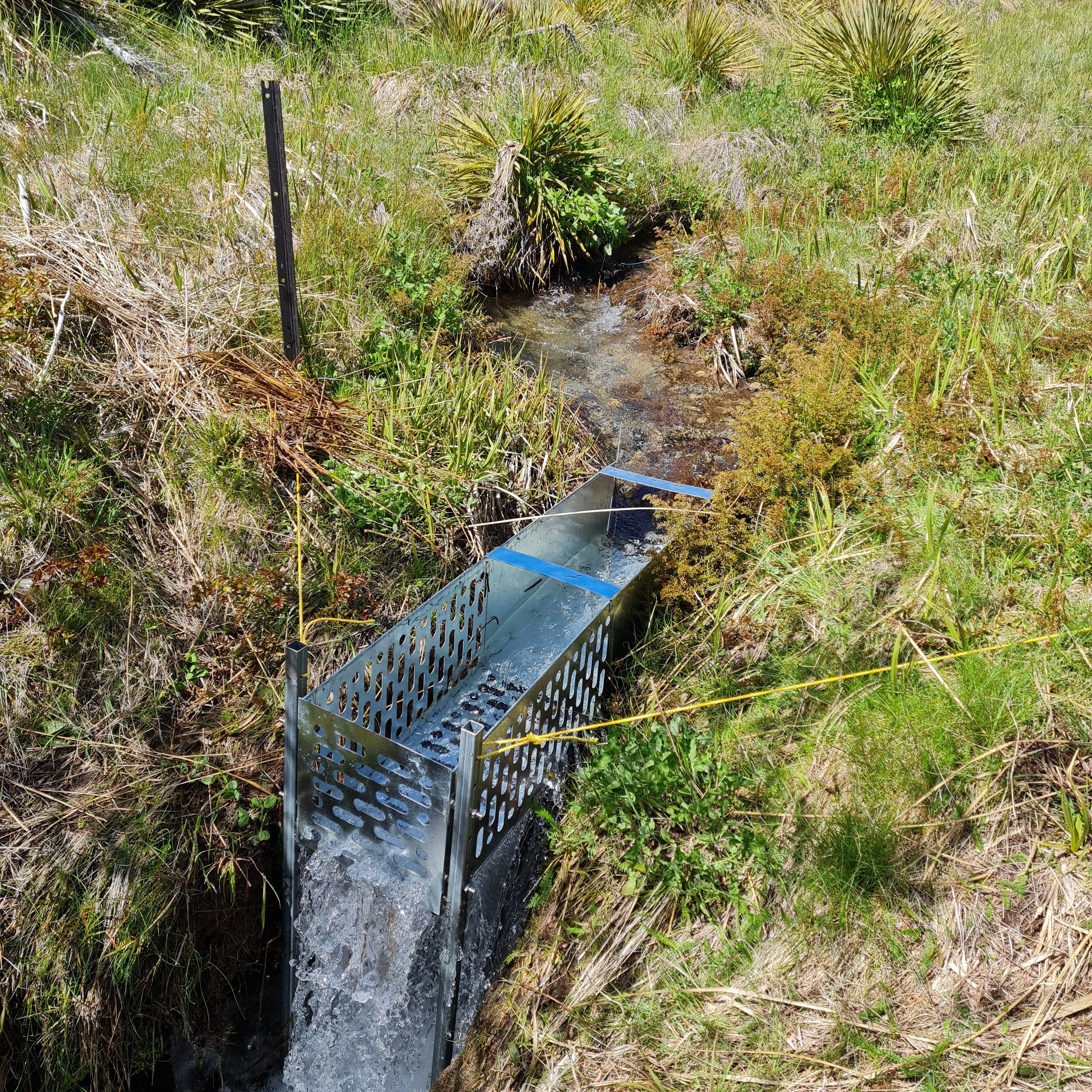
Future floods could make the waterfall useless as a trout barrier, meaning the entire Tyre Gully flathead population could be lost overnight.
"The removal of trout downstream is already under way and will offer better protection for the population in the long term."
Wai Wānaka, a driving force behind freshwater restoration efforts in the Cardrona Valley, has collaborated with Otago Polytechnic on an adjustable fish passage barrier now in use at Tyre Gully.
"All this work will increase the habitat available to flatheads, allowing reoccupation of habitats lost through trout predation," Mr Kavasos said.
"By removing introduced species, Clutha flatheads are given a fighting chance to survive and even thrive."