
PHOTO
Central Otago District Council could backtrack on plans to truck treated human effluent onto farmland after discovering the proposed site near Lauder might not be able to handle all of its sludge.
The council will decide on Wednesday on how to deal with a growing volume of treated wastewater sludge, with staff warning that Cromwell's ponds urgently need de-sludging and geobags containing thousands of cubic metres of dried sludge - dating back a decade - need moving.
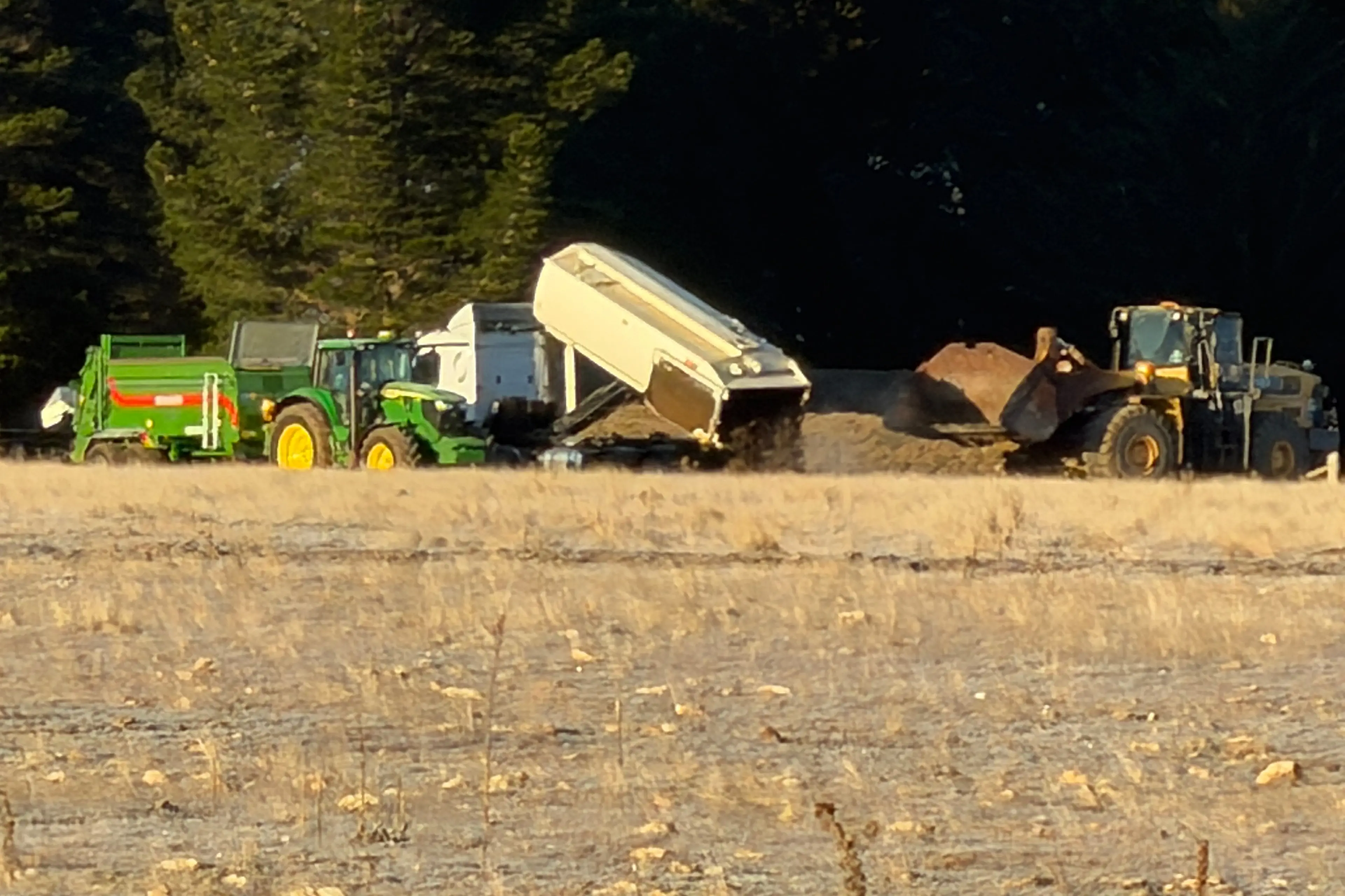
The original recommendation was to dump the waste on land near Lauder, using a non-notified consent that already allows Wānaka's sludge to be disposed of at the property.
The move was expected to save at least $600,000, compared with the estimated $1.6 million cost of carting the sludge to Southland's Winton landfill.
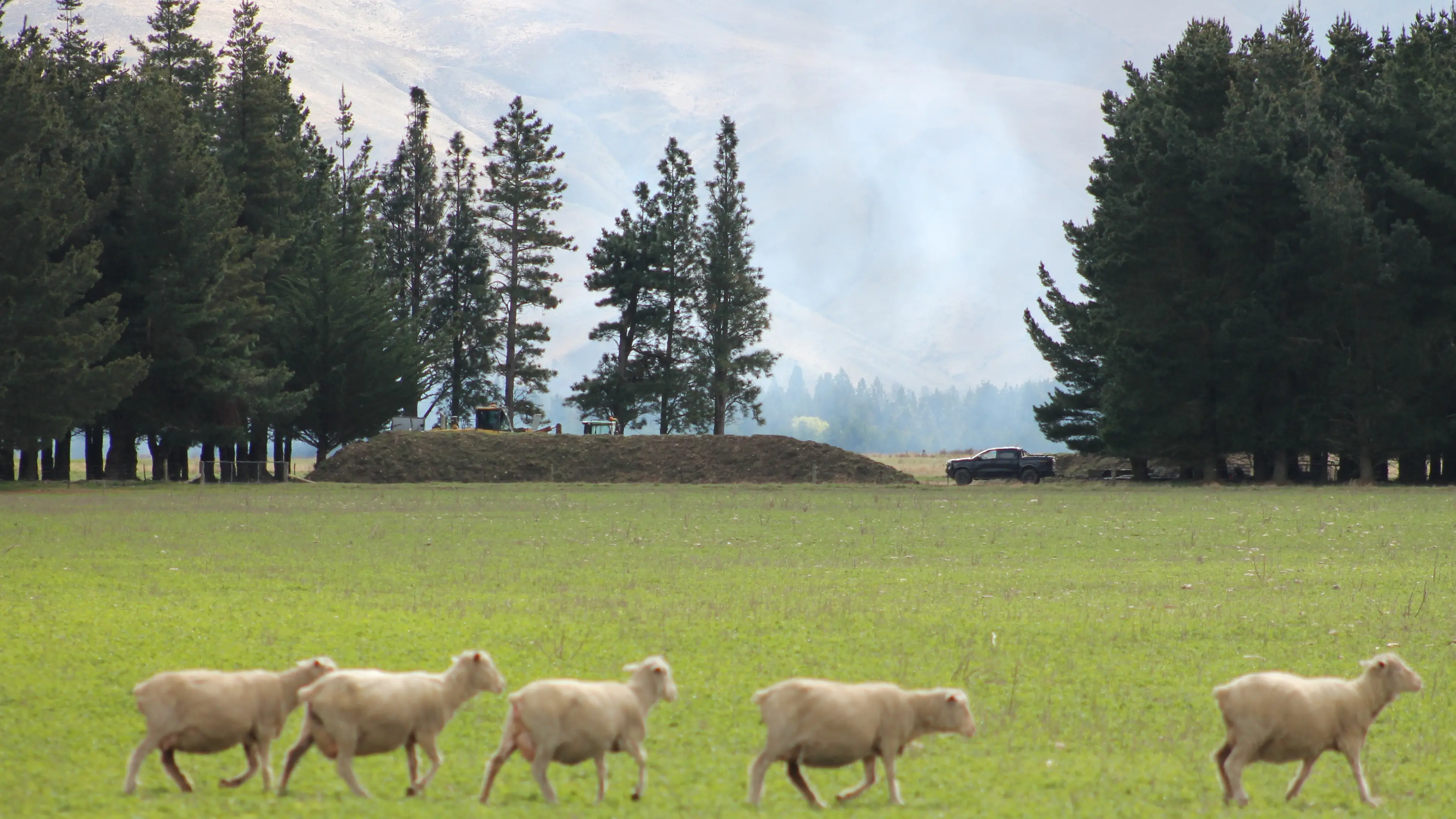
The proposal had angered Federated Farmers, but in a late addition to the agenda on Tuesday, staff recommended sending the stored sludge to Winton landfill instead, because the Lauder site might only be able to take half of Cromwell's sludge.
The total cost of transport to Winton and de-sludging the ponds was now estimated to be more than $3 million including contingencies.
The report said sludge from the Alexandra wastewater treatment plant might still go to the Lauder site, because it could be accommodated within the consent conditions.
The updated report said the council had received three tenders to remove the geobags and de-sludge the Cromwell ponds.
"Given the recently raised concerns by the consent-holder at Lauder, there is an increased risk that there could be interruptions to the program of work for removal of the geobag material. Delays in transporting this material will result in a variation to the contract being required and contract cost increases," the report said.
"Following assessment of the tender prices, staff believe the cost impacts of potential delays outweigh the cost efficiency of transporting the material a shorter distance to Lauder."
If personal hygiene products were found in the geobags, it would affect the ability to spread sludge at Lauder, the report said.
The Otago Regional Council, which granted the original non-notified consent to liquid waste management contractor SJ Allen in January, said it was taking community concerns seriously and there was a regular compliance and monitoring programme in place.
Speaking before the agenda item was updated, Federated Farmers Otago president Anna Gillespie said the plan had annoyed local farmers who had copped flak about water quality in the area and had worked hard to make improvements.
"They're angry that it could have gone through non-notified and there wasn't any consultation and they're angry that it's happening," she said.
"The feeling is that if it had been a notified consent then we could have stopped it rather than it going ahead."
Federated Farmers wanted the original consent reconsidered, Gillespie said.
"It's absolutely staggering that the council is even discussing this after the recent outcry over Wānaka trucking its treated excrement to a Lauder farm," she said.
Gillespie said the practice of spreading treated effluent on land was not new but the Lauder site was highly unsuitable.
"Experienced local farmers know what a farm like this - with porous gravely soils and low rainfall - can realistically produce by way of crops to soak up effluent nutrients," she said.
"We all understand the desire to save ratepayers' money but this shouldn't be at the expense of water quality in a sensitive catchment upstream of public water intakes."
The decision to dump treated human effluent from Wānaka on the Lauder property has prompted outage from locals worried about the potential impact on their water and health.
In the initial staff report to councillors, Three Waters group manager Julie Muir said testing of the sludge from the Alexandra site and geobags stored at Cromwell met the consent requirements for disposal in Lauder.
The report initially recommended councillors approve plans to transport the sludge to Lauder because it was the most cost-effective and legally compliant option for Central Otago ratepayers despite community unhappiness about the consent.
The Cromwell wastewater ponds were de-sludged a decade ago into geobags that allow the sludge to dry over time and reduce transport costs.
About 20,000 cubic metres of sludge was identified in the ponds, which would cost an estimated $2.8-$3.2 million to remove.
"Dried sludge contained in geobags on this site needs to be moved and the ponds de-sludged again as a matter of urgency," Muir said.
"This work is required to ensure that a consent condition which will require a reduction in nitrogen loading is not triggered.
"Once this trigger is reached then the nitrogen and ammonia limits on the consent reduce significantly which will require alternative more costly treatment methods."
Otago Regional Council chief executive Richard Saunders said the consent was non-notified based on an assessment of information supplied as part of the application process.
Council staff had since spoken with local residents and interested parties about their concerns, he said.
"The issues raised have primarily related to water quality, odour, human health and the consent process. The consent was processed in accordance with the Resource Management Act and is now subject to regular compliance audits," Saunders said.
Saunders said the concerns included any impact on the sensitive Manuherekia catchment area.
"We are aware through our engagement with the Manuherekia community that there are a number of concerns about the potential for adverse effects," he said.
"We are taking these concerns seriously and will continue to engage with the community on them."
The council had a regular compliance and monitoring programme underway for the site but Saunders did not rule out a potential review of the resource consent and said information from the community was helping to inform the council's response.
"It is too early to say what if any changes may be sought through this process," he said.
The Central Otago District Council has an annual sludge management budget of $1.15 million, which historically included $530,000 to remove sludge from Alexandra to Winton landfill each year.
Queenstown Lakes District Mayor John Glover said the council currently used the AB Lime landfill at Winton to dispose of the majority of sludge from its wastewater treatment plans.
"The separate consent between SJ Allen and Otago Regional Council that allows SJ Allen to dispose a proportion of its total sludge volumes at the Lauder site was not driven or issued by Queenstown Lakes District Council, and could only have been achieved with the willing consent of the rural landowner," he said.
"The pressure that growth is putting on our local infrastructure, and in turn on our own communities, is well known."
"We continue to look for long-term solutions that include discussions with central government over a Regional Deal."
