
PHOTO
Central Otago scientists are at the forefront of global efforts to help people understand how extreme weather is linked to human-made climate change.
A heatwave on the Pacific Coast of North America has been linked to the deaths of hundreds of people.
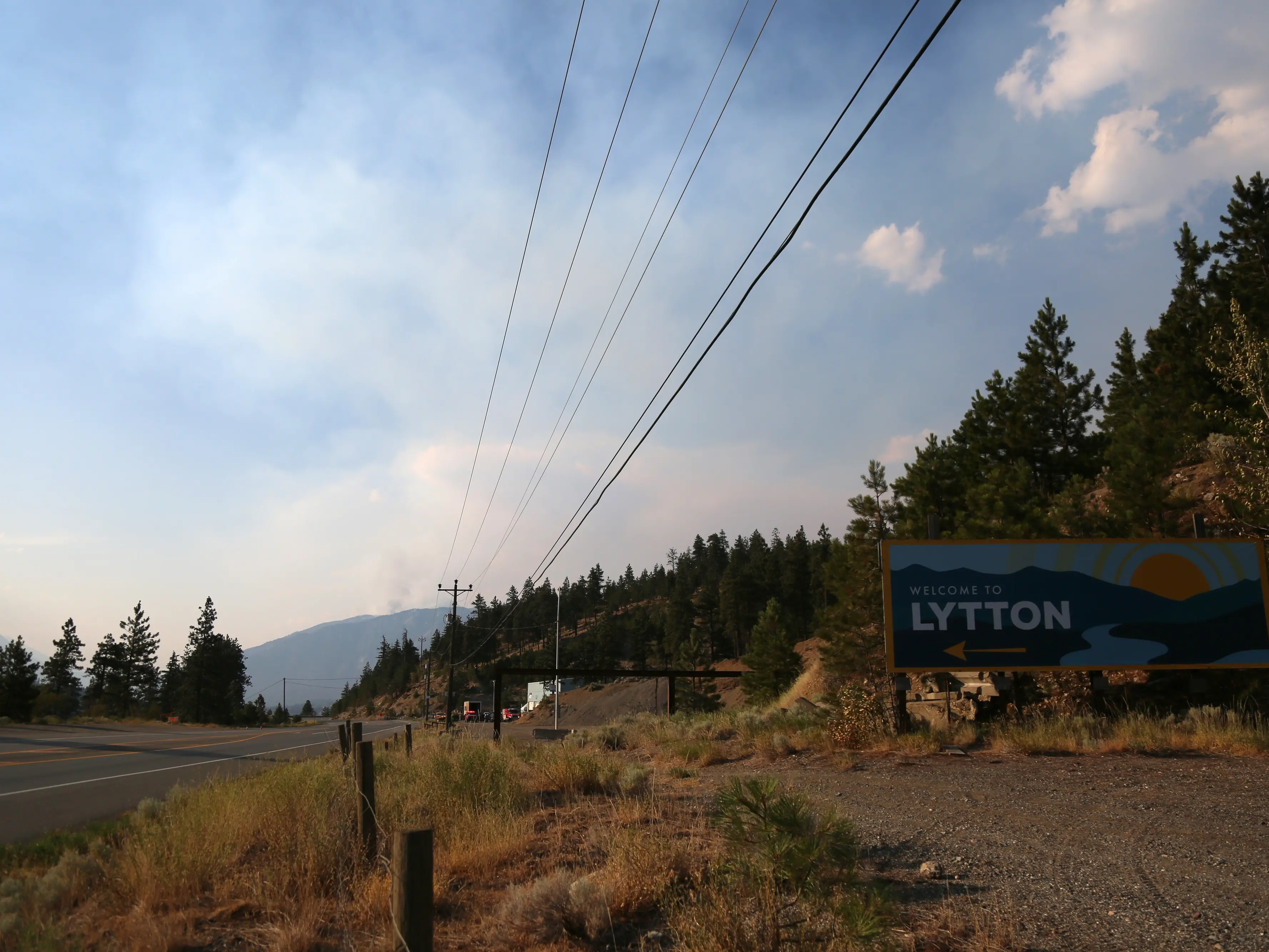
The town of Lytton, British Columbia, set heat records for Canada for three days in a row at the end of June, and then it burned almost entirely to the ground.
Now, as officials deal with the aftermath of the heat, the role that human-made climate change played in the weather is already being stated in many media reports.
Bodeker Scientific project lead Dr Jordis Tradowsky, of Alexandra, was one of nearly 30 scientists who contributed to the World Weather Attribution " rapid attribution analysis" of the June heatwave in North America, released last week.
Using published peer-reviewed methods, the international group of scientists, led by scientists at the University of Oxford, in the United Kingdom, and Koninklijk Nederlands Meteorologisch Instituut, in De Bilt, Netherlands, said the heatwave was virtually impossible without human-made climate change.
They said with the present 1.2degC of global warming, the heatwave was a 1-in-1000-year event.
But they also warned that if global warming reached 2degC, similar heatwaves would occur at a 1-in-5 to 1-in-10-year rate.
Identifying the impact of climate change on specific extreme events remained challenging, Dr Tradowsky said.
Yet what made the work of the international team behind the World Weather Attribution statement especially remarkable was how quickly the scientists were able to make it, she said.
It made climate change a part of the conversation while the general public remained interested in the event.
And the hope was that similar "attribution statements" became standard in news reports.
The role climate change played in extreme weather would then become a normal thing for the public to hear, which would help people understand the role that human-made climate change had on extreme events .
"I think having that understanding sink in, not by hearing it once, but by hearing it again and again, I think that will help our communities in New Zealand, and also globally, to help people understand why we should care about climate change," Dr Tradowsky said.
Bodeker Scientific scientific lead Greg Bodeker, of Alexandra, said at one time, extreme weather events were thought of simply as "an act of God", but his company could assess what portion of extreme weather events such as the recent Canterbury floods were "an act of man" insofar as they were influenced by human-made climate change.
Along with MetService, Niwa, Victoria University, and the University of Canterbury, his team was working on a tool to rapidly determine the role climate change played in extreme weather locally.
The New Zealand team was developing an extreme weather event real-time attribution machine (Eweram).
It was hoped soon within days of a similar extreme weather event, scientifically defensible data would let people talk about the role climate change played in New Zealand’s own extreme weather.