
PHOTO
For many years, Mike Fisk was struck by the lack of birdlife in Fiordland’s eastern valleys during fishing and deerstalking trips into the national park. He tells Guy Williams how a close encounter with a pair of whio — New Zealand’s endangered native blue duck — inspired him to do something about it
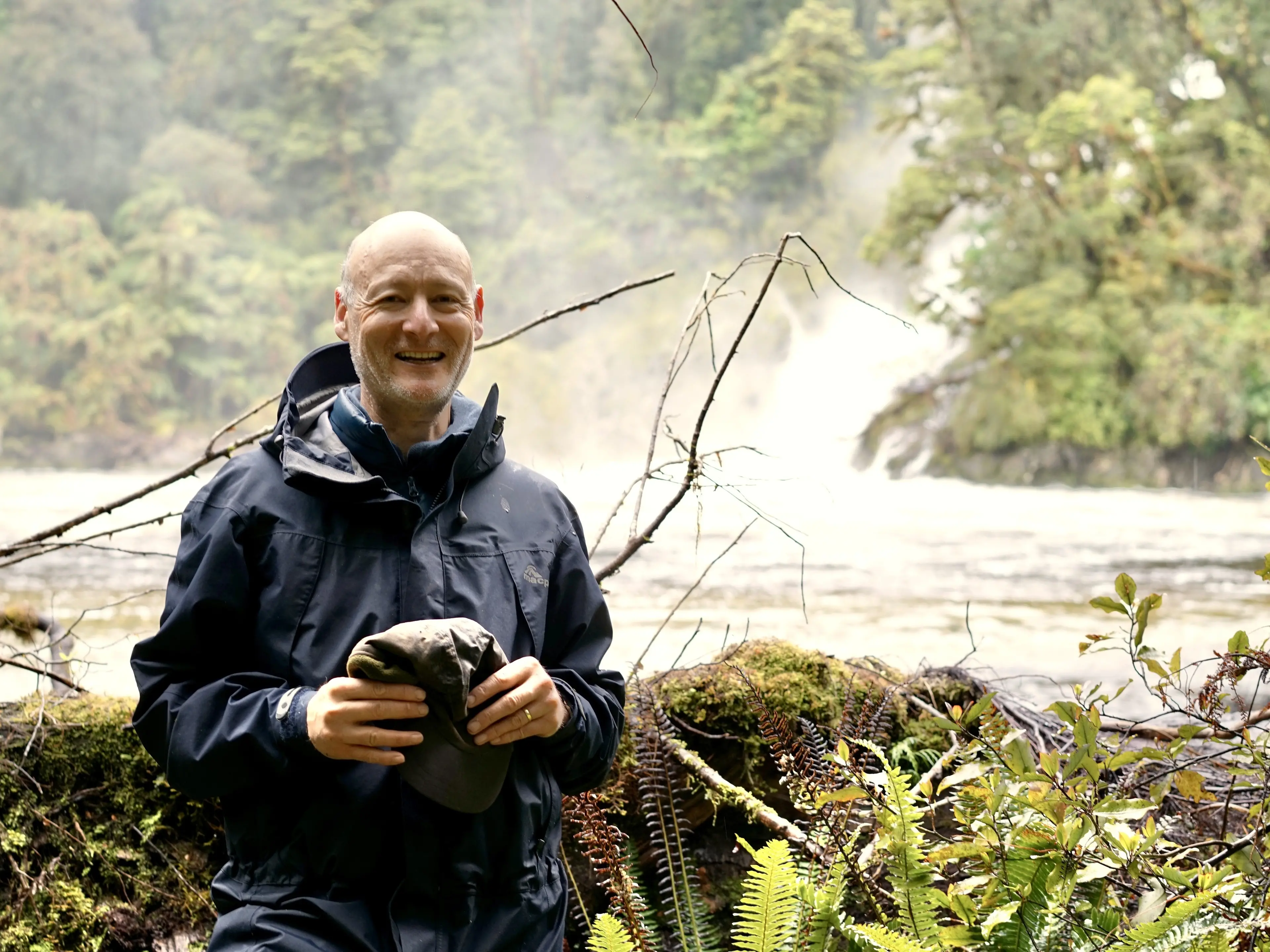
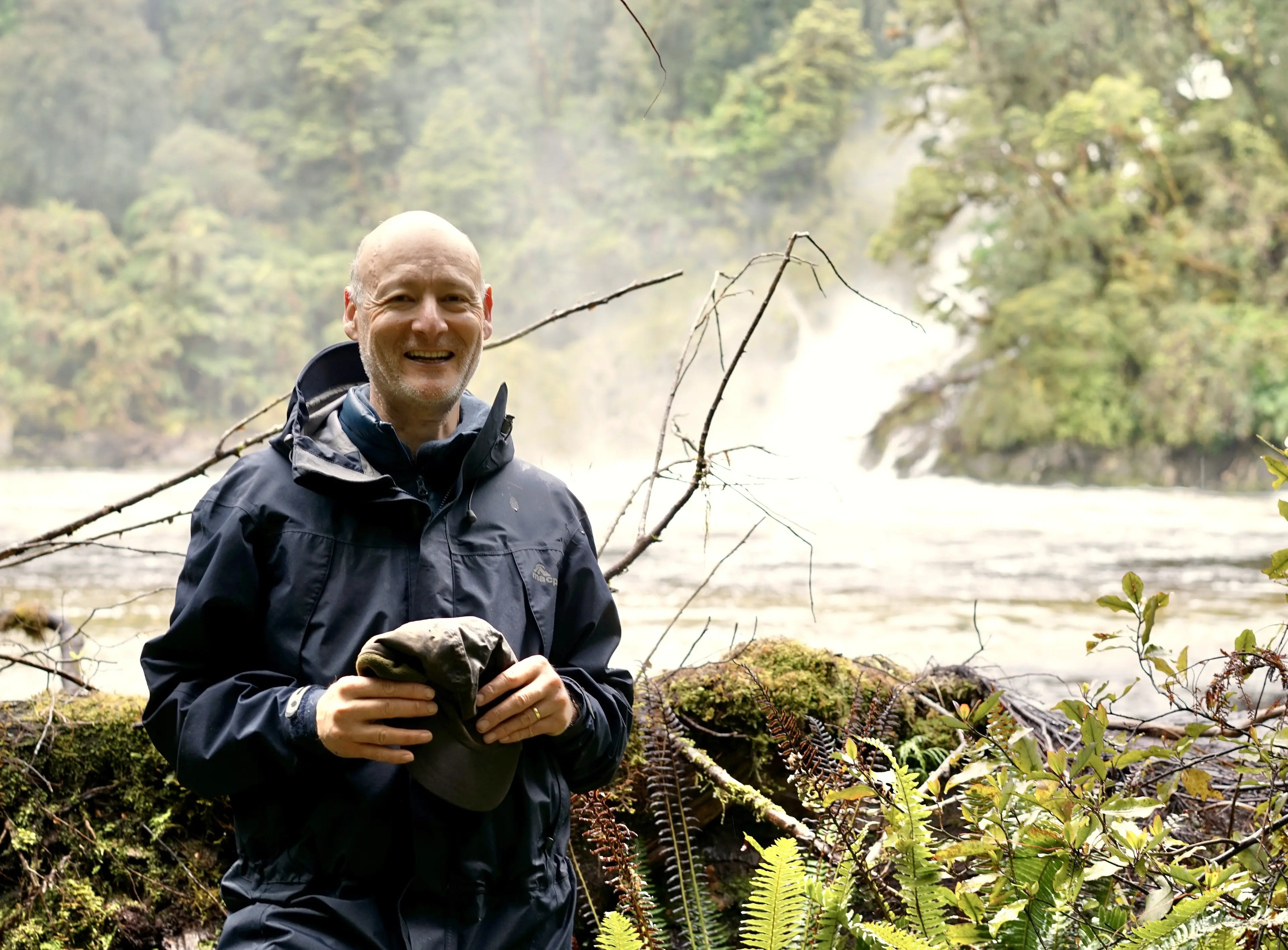
For nearly a decade, Mike Fisk, 69, has been running a self-funded group determined to preserve and enhance Fiordland’s native birdlife.
The Valleys Project’s volunteers maintain trap lines for stoats and rats in four valleys west of Lake Te Anau.
Their goal is to complement the Department of Conservation’s (Doc) own pest-control work, particularly to protect whio.
Fisk, a retired ophthalmologist, draws on an email list of about 400 people across the country to run twice-yearly trap maintenance trips, flying them into the remote valleys by helicopter.
Since establishing its first trap line in the Cozette Valley in 2016, the project now maintains 900 traps across the Cozette, Iris Burn, Irene and Pandora valleys.
An encounter with a pair of whio during a hunting trip in the Irene Valley in 2014 was the turning point, Fisk says.
He was sitting on a riverbank when they dropped into the pool and swam right up to within a metre, “whistling and growling away”.
Reading about whio afterwards, he realised the challenges they face to survive, including the grim fact that in unprotected environments, 95% of their chicks are killed before they leave the nest.
Wanting to do something about it, he approached Doc that year with the idea of installing and maintaining trap lines in the valley.
After canvassing various options, including island projects in Tamatea/Dusky Sound, Doc suggested the group begin work in the Cozette Valley.
“I’d formed this concept in my mind of a group of like-minded individuals going in on a regular basis, contributing financially and walking with purpose.
“So the projects had to be in areas that might be attractive to the likes of trampers, deerstalkers or fishermen.
“I didn’t think I’d be able to get people to keep returning to an island — they’re pretty inhospitable and difficult to access.”
He was eventually introduced to then-Doc director-general Lou Sanson, who gave the idea his blessing.
Crucially, Sanson referred him to what is now called the NZ Nature Fund, a non-profit that acts as a conduit for private funding of conservation work on the Doc estate.
By October of 2016, Fisk, some friends and four Doc staff were setting traps in a different valley, the Cozette, at the department’s recommendation.
In the 10 years since, the project has expanded in scale and sophistication.
“Doc staff have been very patient with us as we’ve learnt the ropes.
“Our model’s changed from simply a few mates trying to maintain a trap line, to establishing a framework under which individuals or corporates can support conservation work through donations or active participation.”
Trip participants typically make a donation to cover helicopter and food costs, but the project can assist volunteers with donated funds.
Donations are channelled through the NZ Nature Fund.
As well as those contributions, the project has received funding from various individuals, businesses, Doc and Environment Southland over the years.
In an example of its “adopt a valley” philosophy, a group of Auckland University Tramping Club alumni set up a trap line in the Upper Iris Burn in 2019 and continues to self-fund its maintenance.
More trap lines were set up in the Irene Valley in 2020, and the Pandora Valley in 2024.
Bivvies have been built in the Cozette and Irene, at good helicopter landing spots, to serve as operating bases for those valleys.
Fisk says at a time when many people feel a sense of hopelessness and despair at the trajectory of the planet, the Valleys Project gives them an opportunity to make a difference and “feel better about themselves”.
“And I think we are making a difference.
“After 10 years of visiting these valleys, we’ve come to know them, and it’s inescapable that the general bird life’s improved rather than gone backwards, which would’ve been the natural trajectory otherwise.”
Doc’s funding constraints means it concentrates resources on pest-free islands and species preservation work, such as its kakapo and takahe projects, he says.
“This has left vast tracts of Fiordland without meaningful efforts towards pest control.”
The Valleys Project has attracted a wide spectrum of volunteers over the years, including many from the medical world.
Others are keen anglers or hunters who indulge their hobby during down time from trap work.
They enjoy helicopter rides over spectacular terrain, and spend time in remote locations that few people ever get to see.
“We have a lot of fun on the trips — we eat and drink very well, and of course it’s a spectacular environment.
“You get companionship and a bit of a physical challenge for a week, and come back feeling much better about life.”
He oversees the often complex logistics for the trips, which sometimes involves trapping in two valleys at the same time, with up to nine people flying in, six camping sites to equip and four other gear drops.
The choppers also distribute equipment strategically to minimise pack loads.
The project relies on self-resetting Goodnature traps and Doc 150 traps.
Fisk says New Zealand’s native birdlife is in decline, with many species on the brink of extinction.
Kiwis who want to preserve the country’s natural heritage have to “get out there and help”, and there are many ways in which they can financially support practical conservation work.
Anyone who wants to contribute to the Valleys Project, or any individual or business interested in “adopting” a valley can email valleys@xtra.co.nz.
Donations to the NZ Nature Fund’s projects, including the Valleys Project, can be made at nznaturefund.org