

PHOTO
A new grassroots group has doubled free meat distribution through some of the South’s food banks in just two months.
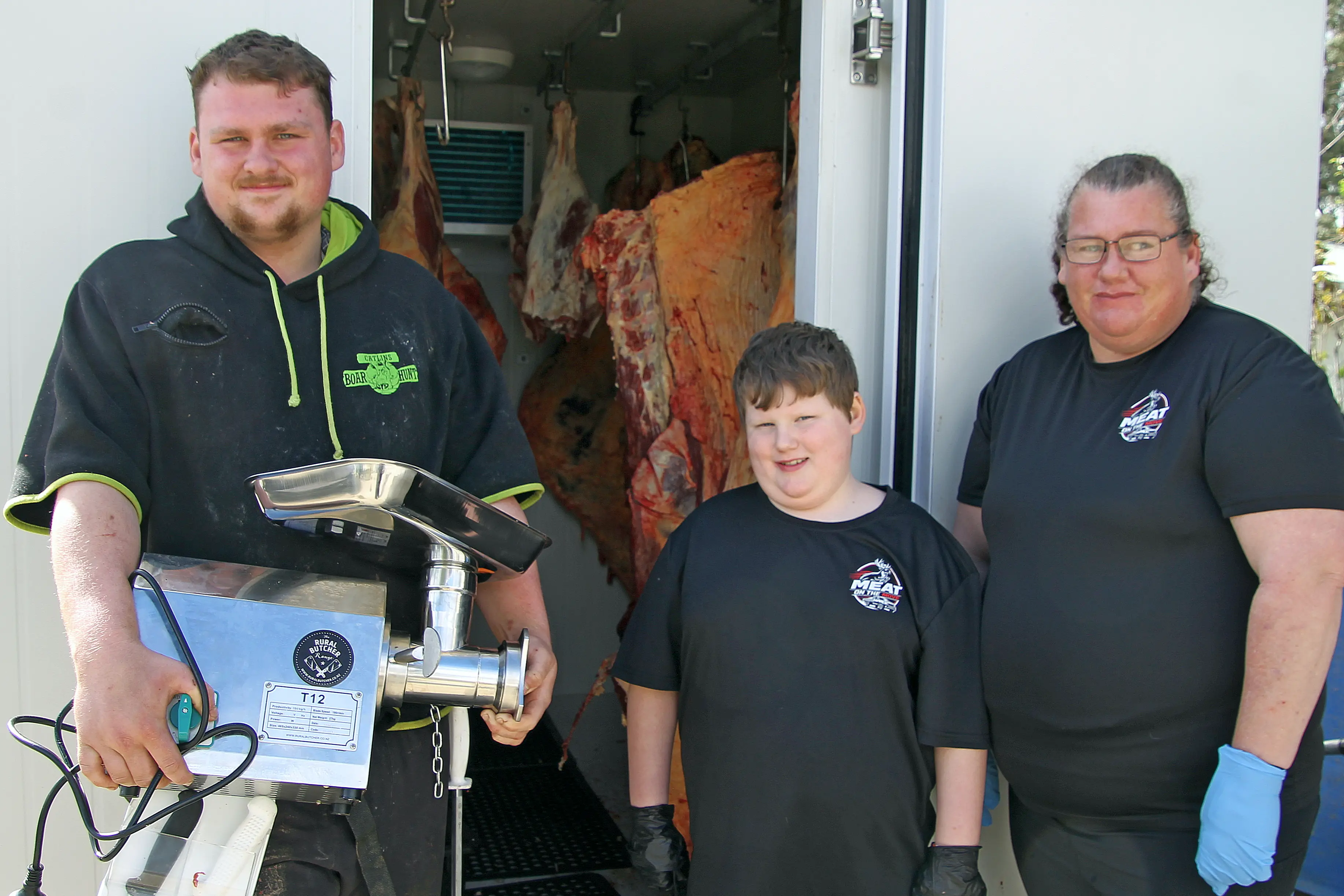
Balclutha mother and son Alana and Ollie Tunnah founded Meat on the Move in June, collecting donated local game and livestock to process and provide to charitable food organisations in Clutha, and as far away as Timaru and Queenstown.
‘‘Hunters mostly drop off venison,’’ Mr Tunnah, 21, said.
‘‘When farmers donate an animal we generally head out and get a lot of it done on site.’’
Inspection, slaughter, skinning, butchery, mincing and distribution of about three large cattle beasts a week, or several sheep at a time, has meant long, hard days for the volunteers.
‘‘Everything is weighed, bagged, tagged and recorded, from picking it up to dropping it off,’’ Mrs Tunnah said.
‘‘If we see we’re going to need a food parcel ourselves that week, we pick up the same meat package as everyone else.’’
Her records showed the group had processed 2.35 tonnes of meat between July 1 and the end of August, enough for about 11,750 meals.
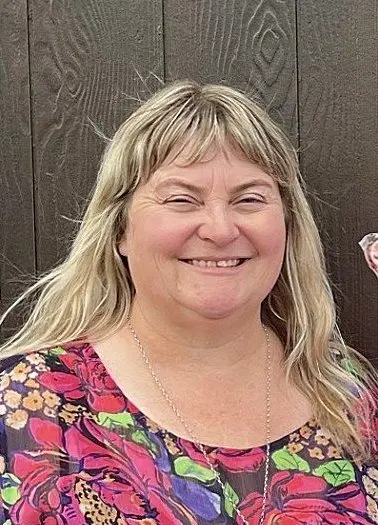
Clutha Food Hub manager Lee-Anne Michelle said the new supply was timely, as food parcel demand had spiked with recent cost increases, such as rates and fuel.
‘‘Compared to what we normally get donated . . . with Meat on the Move now it would be at least double,’’ she said.
Clutha Age Concern manager Robyn Bell cooked mince delivered by Meat on the Move to provide to her elderly clients as ready-made meals.
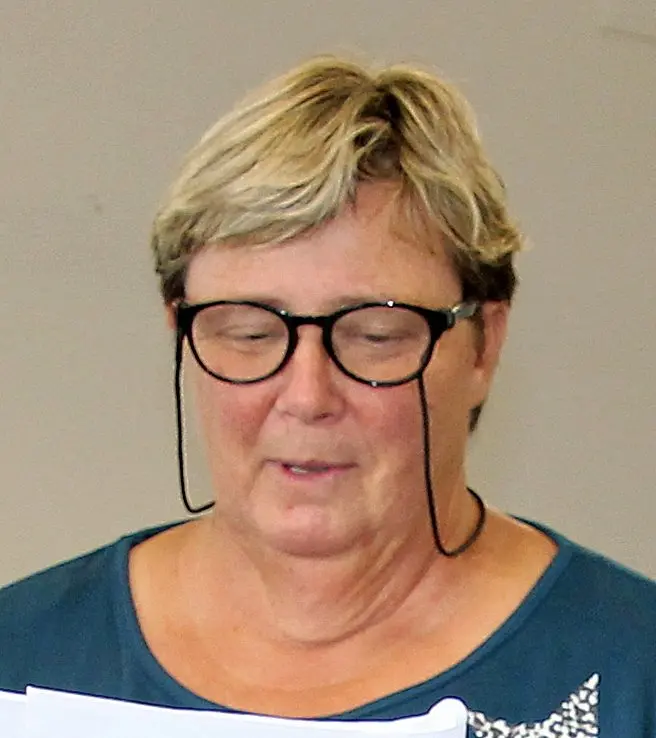
‘‘If you bring them a big bag of frozen mince they won’t take it,’’ she said.
‘‘It’s not pride, they just tell you there are families with little ones who need it more.’’
Mr Tunnah said the idea had developed last September, when Alana’s application for a food parcel while on ACC met with high demand.
‘‘There were times on her reduced, single income, she wouldn’t eat, so I could,’’ Mr Tunnah said.
‘‘We knew we could get meat and wanted to share it . . . Then I just went on Google and started emailing all these different organisations that looked like they were doing something similar.’’
A Telford College graduate, hunter, farm and freezing worker, Mr Tunnah worked with groups including the Wild Game Recovery Trust, Game Changer, Lion’s Club and Otago Community Trust to obtain necessary credentials and compliance, and funding for a meat-chiller and mincer.
Processing with volunteers rather than butchers, and networking with farmers to add surplus stock to hunted game were innovations that attracted backers, and added to the initiative’s success.
However, Ollie and Alana were realistic about the energy the project consumed.
‘‘We’ll probably be here till 10 o’clock tonight,’’ Mr Tunnah said, indicating the most recent chiller-full of whole carcasses he, Alana, and brother Jacobi had begun to bone at 9am.
‘‘We’ve got 10 official volunteers, plus family helping where they can, but we’ll always welcome more volunteers and more donations.’’
Besides managing most of Meat on the Move’s administration and social media, Mrs Tunnah spent plenty of time on the knives.
‘‘I know people living out of one room now, because it’s the only way they can afford to heat and eat,’’ she said.
‘‘You keep at it because it really is for people just like us now . . . and you can see those numbers growing.’’