
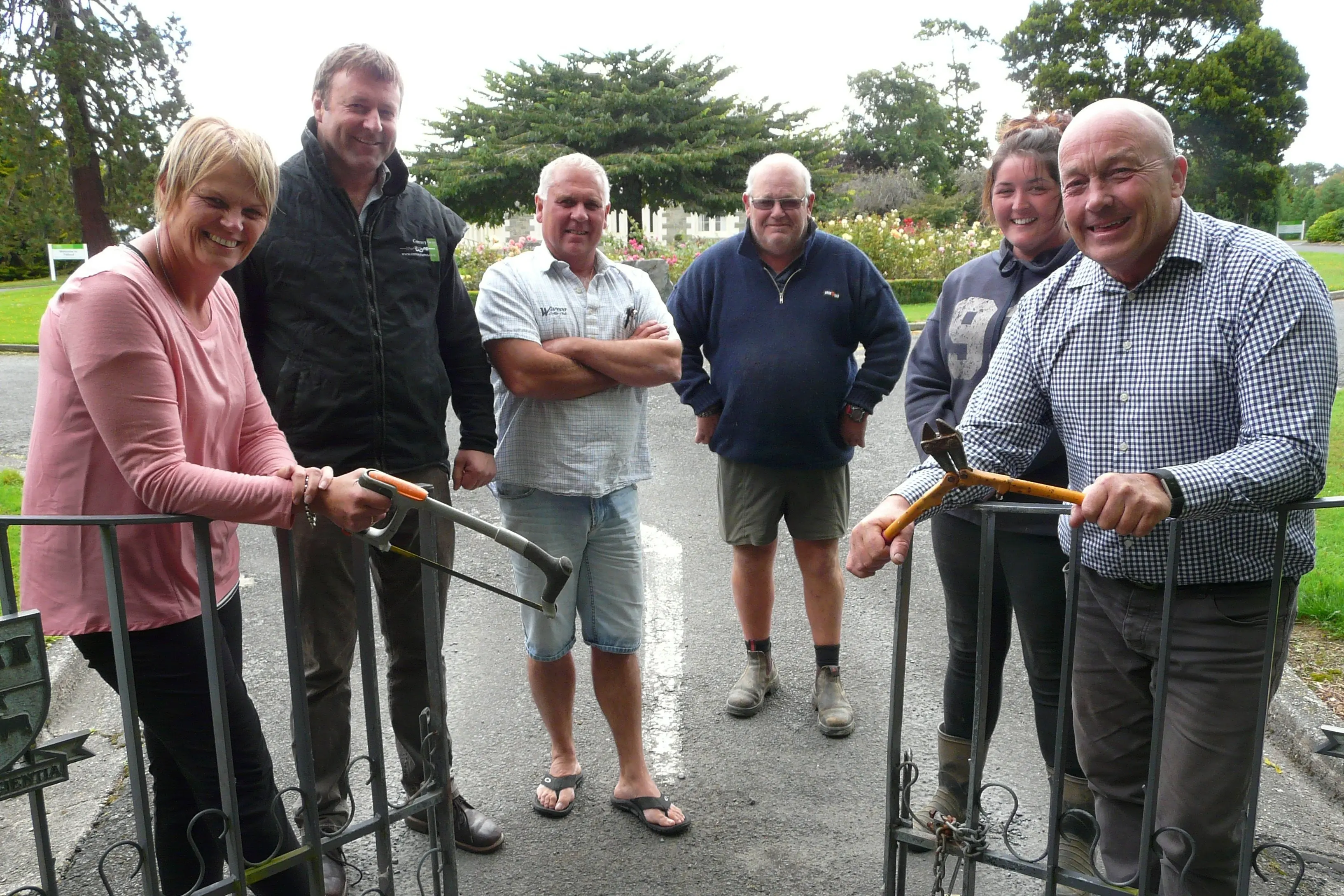
PHOTO
The precarious nature of Telford’s future has been a constant theme during my time in politics.
Going into the Christmas break of 2018 it was unclear whether the gates would open for the 2019 student intake.
The courses were losing students and money.
The Telford farm itself had been seized by liquidators after failed mergers with Lincoln University, and former operator Taratahi had pillaged Telford’s reserves, leaving the Telford farm board powerless to assist financially with upkeep.
It was quite the tale of despair for a proud institution that had provided training for generations of young farmers, and a legacy that had contributed immensely to New Zealand’s agricultural success.
Fortunately, riding over the hill came the cavalry, in the form of the Southern Institute of Technology (SIT).
Then SIT chief executive, Penny Simmonds, answered our calls and a plan materialised in the nick of time to keep the gates open.
Fast forward seven years and it was enormously satisfying last week to stand alongside now Minister Penny Simmonds, SIT chair Rex Chapman and Telford’s great talisman, campus manager Allan Roxburgh, and turn the first sod on the $2.4m redevelopment of the Telford campus [see story, pg 3].
The message is clear. Telford is back in business.
Student numbers are again climbing, and international students are now an increasing part of the mix.
The campus has become a bit tired.
Years of underinvestment in the facilities was starting to show, and a major spruce-up will add significantly to the appeal for prospective students.
Additionally, another $1.7m per annum has been allocated to underwrite the courses for the next two years, to get Telford back on a fully even keel.
It is proof that the government is serious about protecting the last major residential agricultural farm training facility in New Zealand.
The ball is now in SIT’s court to make that happen, but the signs are promising.
The further good news is the Telford farm council will take back control of the farm from the liquidators next year.
This has been a torturous process and difficult to stomach, as profits that could be reinvested into Telford are siphoned off to pay for someone else’s debt.
Full marks to the Telford farm council for their tenacity in holding the fort and enduring a decade of immense frustration.
We all owe a debt of gratitude to the loyal staff of Telford who never lost faith and have had to live with the constant uncertainty as to their long-term future.
That Telford is back on solid ground owes much to their determination to keep providing great courses and set their students up for meaningful careers.
For many it would have been easier to walk away — that they didn’t showed great fortitude.
New Zealand agriculture and the Clutha district are thankful that they refused to give up.