
PHOTO
We can’t afford more of this.
When Clutha residents open their rates bills, they see the cost-of-living crisis arriving in yet another envelope.
Average Clutha rates have risen by about 40% in two years — 16.59% last year followed by 20.54% this year.
These are not abstract figures.
When I door knock, I meet lifetime Clutha residents — including seniors on fixed incomes — in tears on their doorsteps.
Some tell me they face the imminent prospect of mortgagee sales because they simply cannot afford their rates.
Clutha’s small rating base must fund infrastructure across a large geographical area containing many separate communities.
Water systems, roads and other essential services still have to be maintained, regardless of how few households there are to share the cost.
The government has contributed to this mess and is now throwing councils under the bus for it.
After National reversed the previous water reforms, former mayor Bryan Cadogan warned in 2024 that Clutha’s debt was projected to breach its then limit of 175% of revenue by 2027/28.
He said the council was no longer discussing an 8% rates increase, but increases of around 20%.
Under the government’s replacement Local Water Done Well policy, water costs and debt must be ring-fenced and prices must reflect the cost of providing services.
Official 2025 modelling warned that three-waters rates for some southern councils could more than double by 2034.
Clutha has joined Gore and Central Otago in developing a jointly-owned water entity because sharing costs was assessed as the most affordable option.
But changing who sends the bill does not make the cost disappear.
The government’s proposed initial rates target of 2% to 4% also excludes water charges.
The cost can simply reappear through separate water bills, higher user charges, reduced services or neglected infrastructure.
At the same time, the government gave councils only three months to prepare far-reaching amalgamation proposals.
Councils had to make major preliminary decisions before full public consultation, detailed financial analysis or proper consideration of what amalgamation would mean for local representation.
Councils must be disciplined and accountable.
But central government cannot impose costs, reverse policy, demand rushed structural change and then blame councils when local households receive the bill.
We keep hearing that the country “can’t afford more of this”.
What we cannot afford is a government that makes the rules, pushes the responsibility downward and walks away from the consequences.
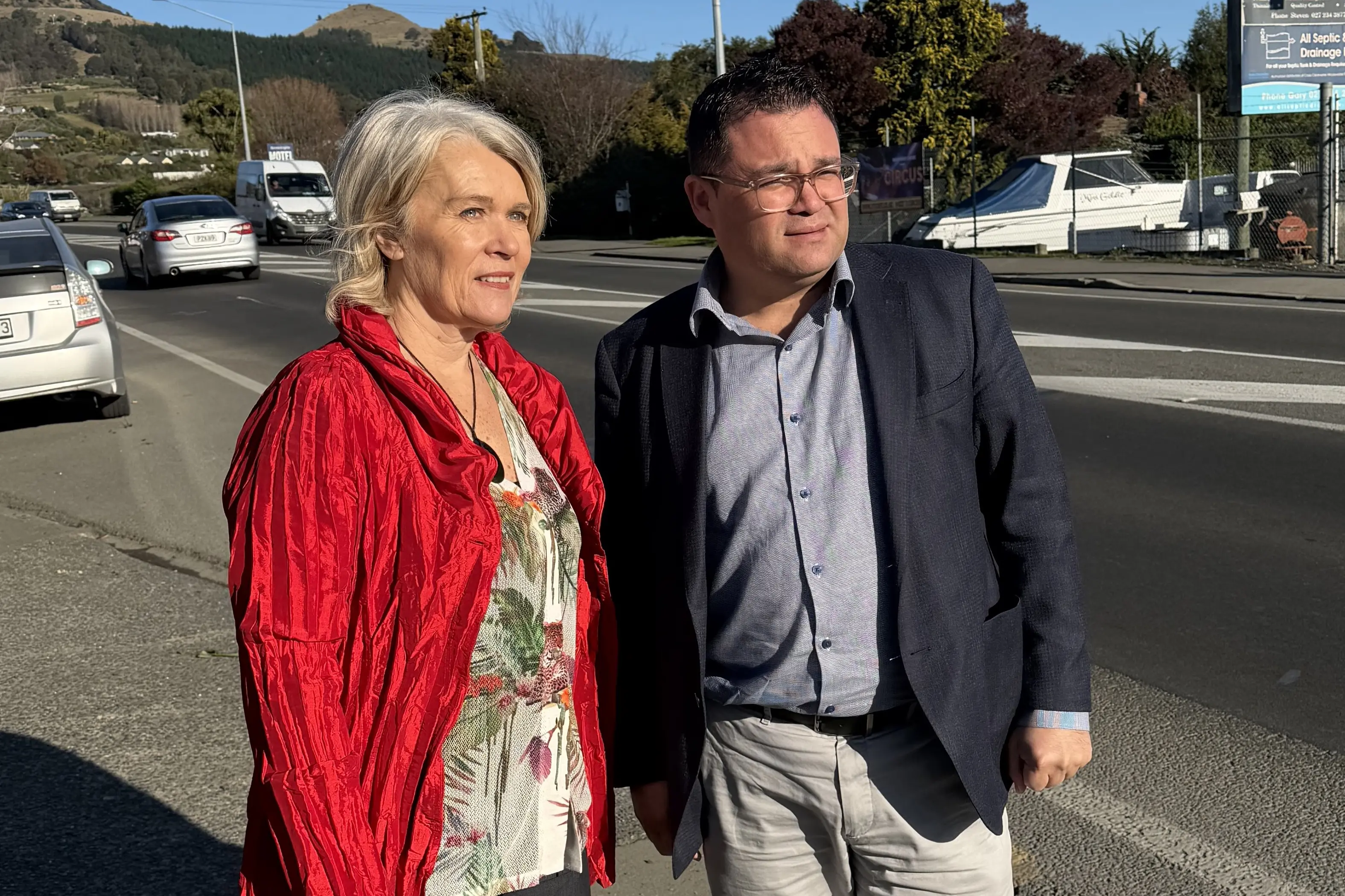
Labour’s local government spokesperson Tangi Utikere and I want to hear directly from Clutha residents, farmers and businesses.
Please join us on Friday, September 25, from 10am to 11am, at Te Pou Ō Mata-Au Clutha District War Memorial and Community Centre, 6 Clyde Street, Balclutha.