
PHOTO
The August 9 deadline for local councils to submit on the restructuring of local government is upon us.
An application before August 9 gets into the “head start” process, whereas failure to do so leaves councils vulnerable to central government intervention through the “backstop” process.
It’s helpful to refresh why the government is doing this.
Firstly, rate increases are too high both recently and as we look to the long-term planning forecasts.
Rates are now a major affordability issue for households and businesses.
Secondly, regional councils are to be abolished at the 2028 elections, folding the functions of district councils and regional councils into unitary authorities.
Thirdly, the Resource Management Act is being replaced by two new acts — the Planning Act and the Natural and Built Environment Act — meaning there will be 17 regional spacial and environmental plans nationwide, down from the current 84.
The need for onerous resource consenting will reduce by nearly half, simplifying council functions.
The question then becomes: how do we restructure local government to deliver services as efficiently and affordably as possible?
Otago is especially challenging — rural Clutha, Waitaki and Central Otago, the fast-expanding tourism destinations of the Queenstown Lakes District and the city of Dunedin — different economic and community drivers and a vast land area.
Waitaki has signalled a preference to head north toward South Canterbury.
Clutha District Council is proposing a Rural Otago Super Council.
Conceptually, this would include Clutha, Central Otago, Southern Waitaki, Waihemo District and the rural parts of Dunedin City.
At time of writing, Queenstown Lakes is also considering the option to join.
An enormous area — 2.5 million hectares and 120,000 residents.
The advantages of this model are ensuring the rural voice is not lost in council decision-making, as it aligns communities of interest while gaining efficiencies of scale.
The disadvantages are also to do with scale.
This is a vast area and combines both district council and regional council functions without the ratepayer base of Dunedin city to contribute.
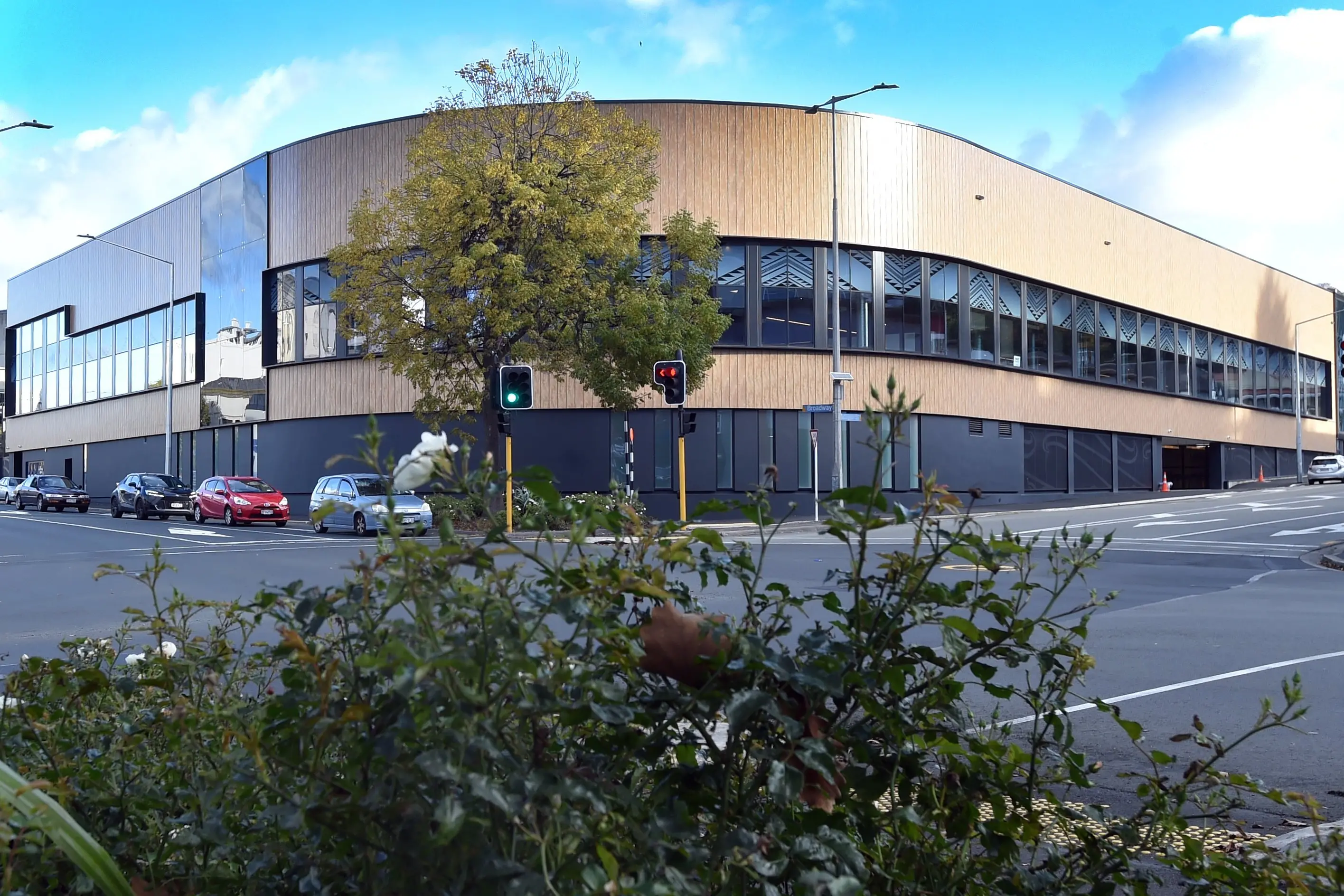
The obvious question is, what of Dunedin city?
They have been slow to grasp the gravity of the situation and not been proactive in this process.
This somewhat vindicates the rural councils’ reticence to incorporate.
Dysfunction in Dunedin City Council (DCC) politics is almost a daily feature in the Otago Daily Times.
That said, Dunedin has 132,000 residents, a port, international airport, base hospital and world class university.
The port assets were originally DCC assets before being rolled into the Otago Regional Council.
Whatever the final outcome, it must be strategic and future-focused.
Making sure a rural voice is retained in representation is critical and trade-offs are to be carefully considered.
This is the start of the process, not the end.
New Zealand First is watching very carefully and will ensure nothing happens without widespread buy-in from the community.