
PHOTO
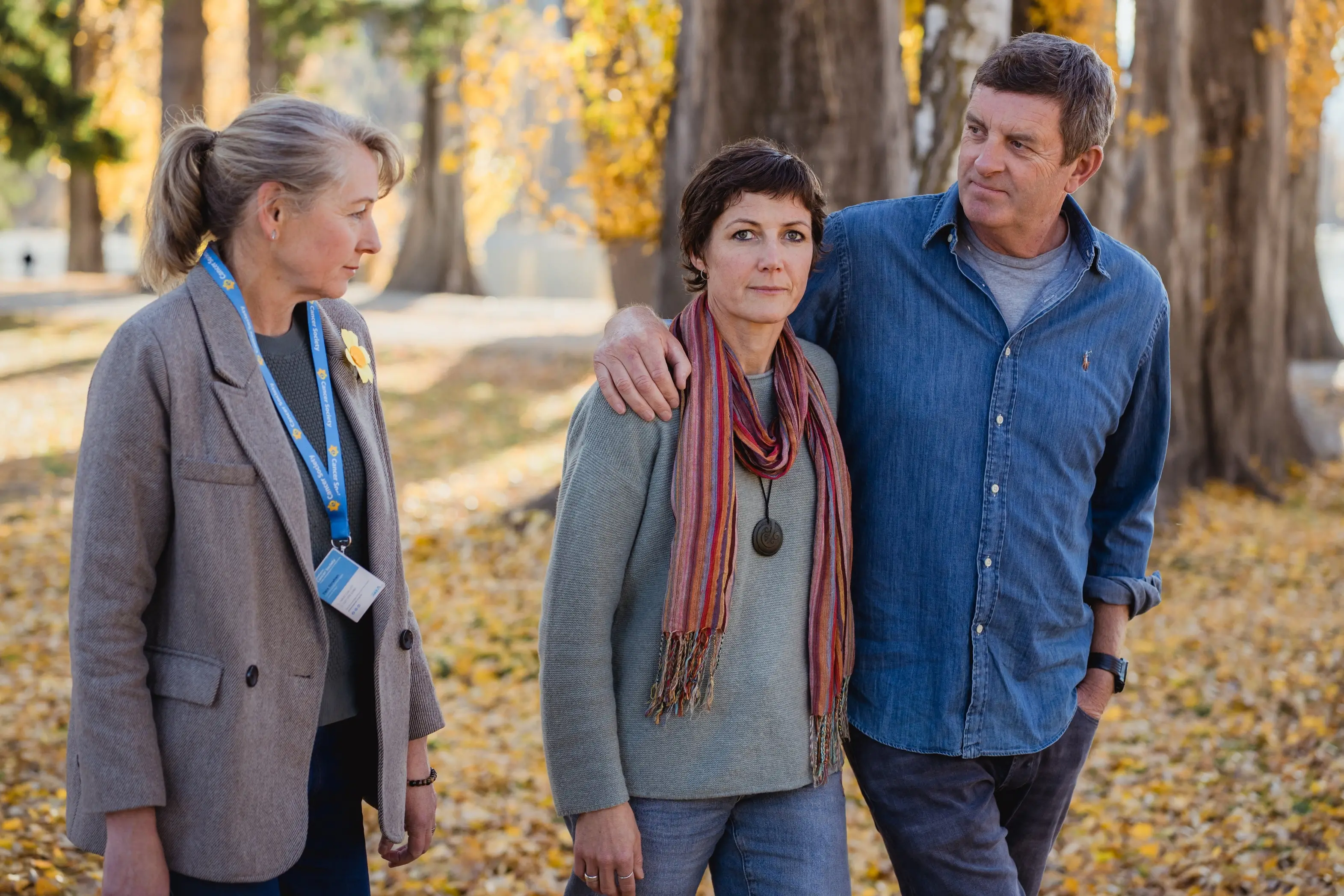
When Wānaka couple Helene and Corey Barron agreed to be part of this year’s Daffodil Day campaign, they were not stepping into a staged photoshoot as models.
They were sharing something much more personal: a lived experience of cancer, family, distance from treatment and the support that helped them get through.
For Helene, a performance physiotherapist with High Performance Sport New Zealand and an accomplished trail runner, the diagnosis came as a shock.
In April 2023, only weeks after completing the Tarawera Ultramarathon 100-mile race and placing fifth, she was diagnosed with tongue cancer.
Helene described the diagnosis as standing at the start line of the biggest endurance event of her life.
In May 2023, she had surgery to remove part of her tongue, followed by six weeks of radiation treatment through July and August.
Because the Barrons live more than three hours from Dunedin, treatment also meant being away from home.
Helene stayed at the Cancer Society’s Daffodil House accommodation while Corey remained in Wānaka with their two teenage sons, keeping school, work and daily routines as steady as possible.
“Daffodil House was incredible.
“Knowing Helene was being looked after, safe, close to the hospital and supported there was a great relief,” Corey said.
“It meant I could keep things as normal as possible at home for our boys.”
For people in Central Otago and the Upper Clutha, distance can add another layer to an already difficult time.
Cancer Society community manager Tara Strahan said the organisation’s role was to be a steady local presence, helping people navigate what could feel like an unfamiliar and overwhelming system.
Tara said the Cancer Society helped people work through what was most urgent and connect with the right support at the right time.
“For people travelling from places like Central Otago, the distance adds financial pressure, stress and time away from whānau.
“Having someone independent and consistent walking alongside them can make a real difference.”
At Daffodil House, Helene found practical help and a sense of community.
She said the people there became like family and that being around others who understood what she was going through meant a lot.
Back home in Wānaka, regular check-ins and access to counselling also became important, especially after treatment ended.
“I knew that the difficult time for me would be when I got home and things were supposed to be returning to ‘normal’, when both physically and mentally I was most definitely not my old self,” she said.
One of her biggest fears before surgery was losing her speech.
She recorded voice notes and video journals, initially for herself, as a way of ensuring her voice could still be heard.
Those recordings eventually became part of a wider story, including the documentary Onwards, created with filmmaker and fellow trail runner Ben Wallbank.
Now, by appearing in the Daffodil Day campaign, alongside Corey and Tara, Helene hoped to show the real people behind every daffodil, donation and act of support.