
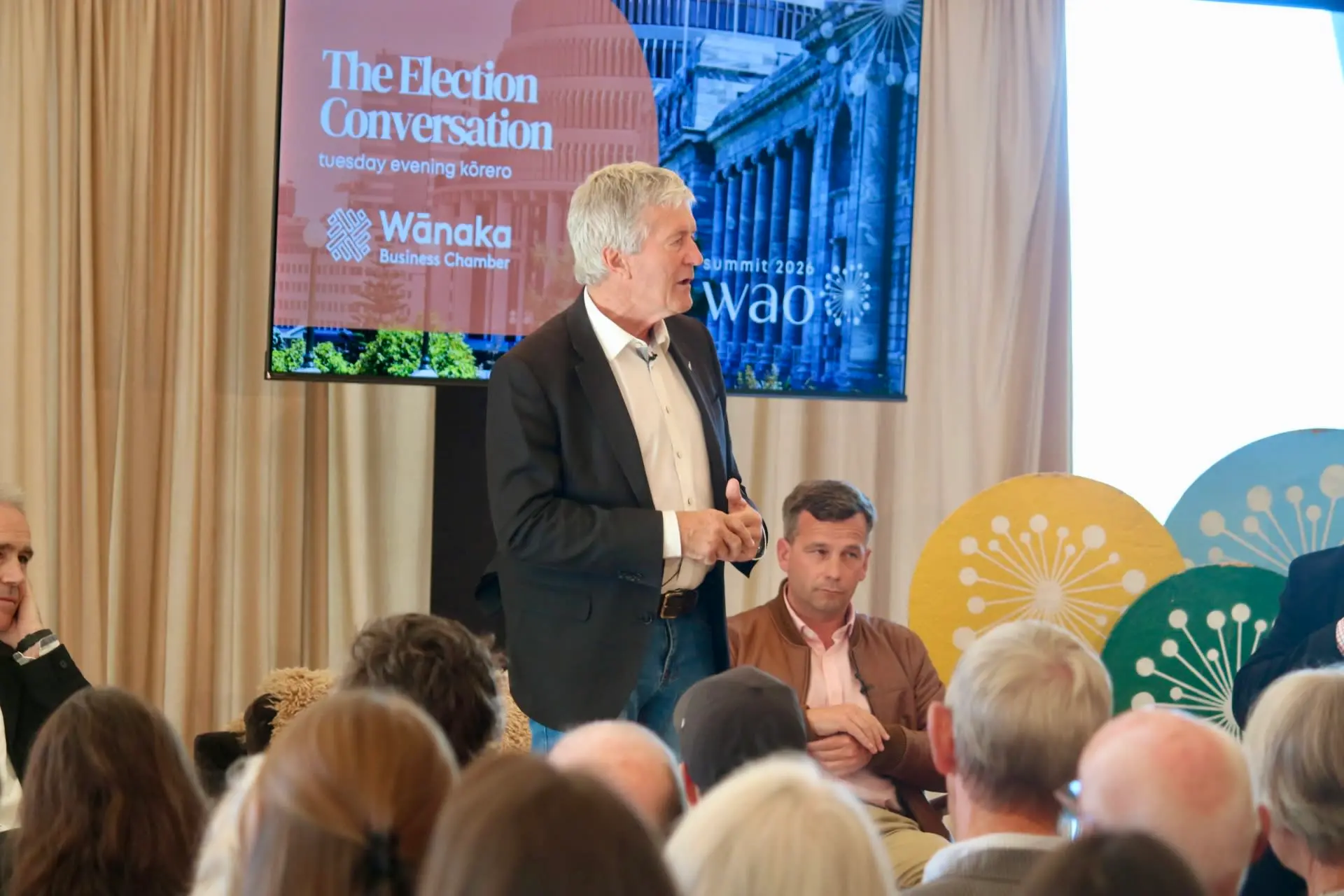
PHOTO
The government has treated councils like a "punching bag" while burdening ratepayers with unfunded infrastructure mandates, Opportunity party candidate Kayla Kingdon-Bebb has told an election forum in Wānaka.
She was among six party representatives at Tuesday night's discussion - which tested National's long-standing grip on the Waitaki electorate with discussion over fast-track development, health funding and policy flip-flopping.
The event, organised by sustainability organisation Wao Aotearoa, drew a crowd of more than 200 people to the hall at Rippon Vineyard.
As the candidates were quizzed on their support for a bed tax, New Zealand First Waitaki candidate Michael Laws said it was clear the region's infrastructure was not coping with the volume of visitors - but the onus was not entirely on the government.
"You can see already in the dumping of Queenstown's excess waste on the farmlands of Central Otago that their infrastructure is clearly not working ... it's about time the Queenstown Lakes District Council took some responsibility for that as well," he said.
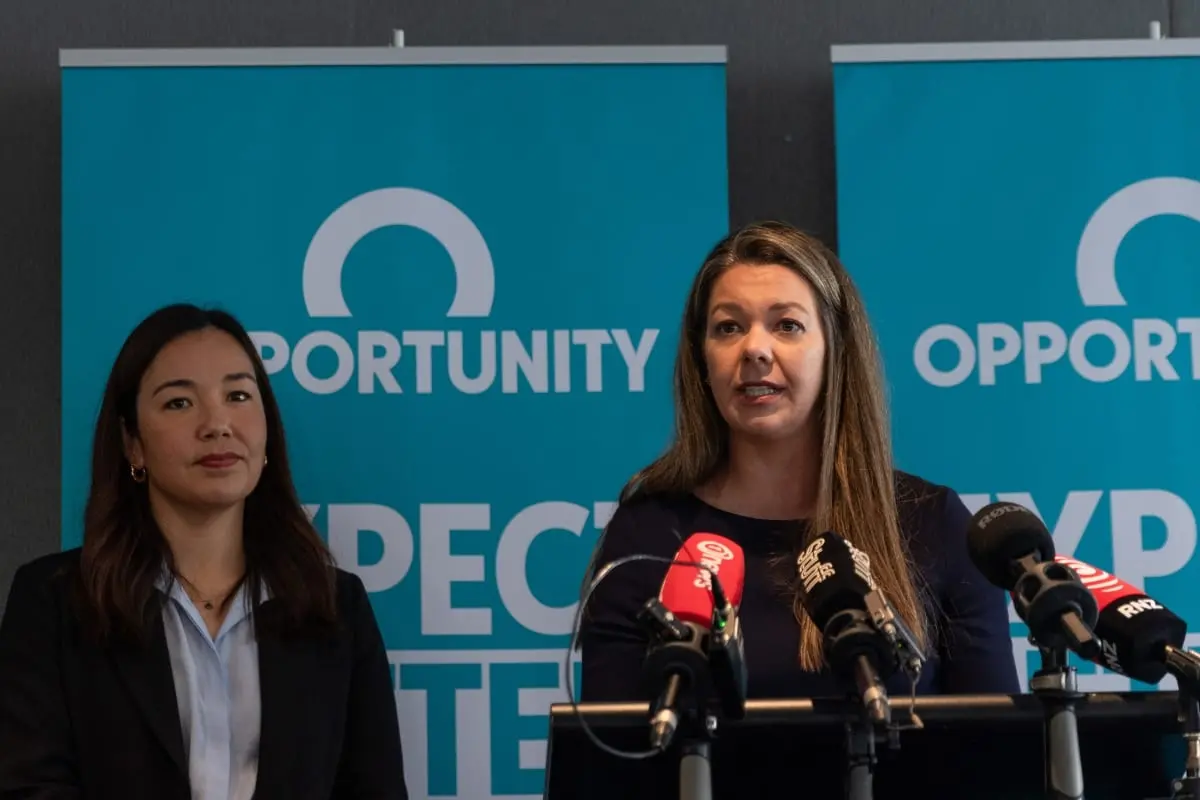
Kingdon-Bebb said expanding funding options available to councils was needed.
"Over the last three years local government has really been treated like a bit of a punching bag, to be perfectly honest.
"The unfunded mandates need to stop and we really need to start enabling local government to expand the funding toolbox that's open to them - whether that includes bed levy or congestion charging, what have you."
Candidates were also asked how they would improve healthcare in the district, with Labour's Waitaki candidate Damien O'Connor arguing private contracts were starving the public system.
"Eighty percent of the new money that has gone into health since this coalition came into government has gone into the private sector. The private sector will not deliver the public health services that we need across this country, particularly in Central Otago.”
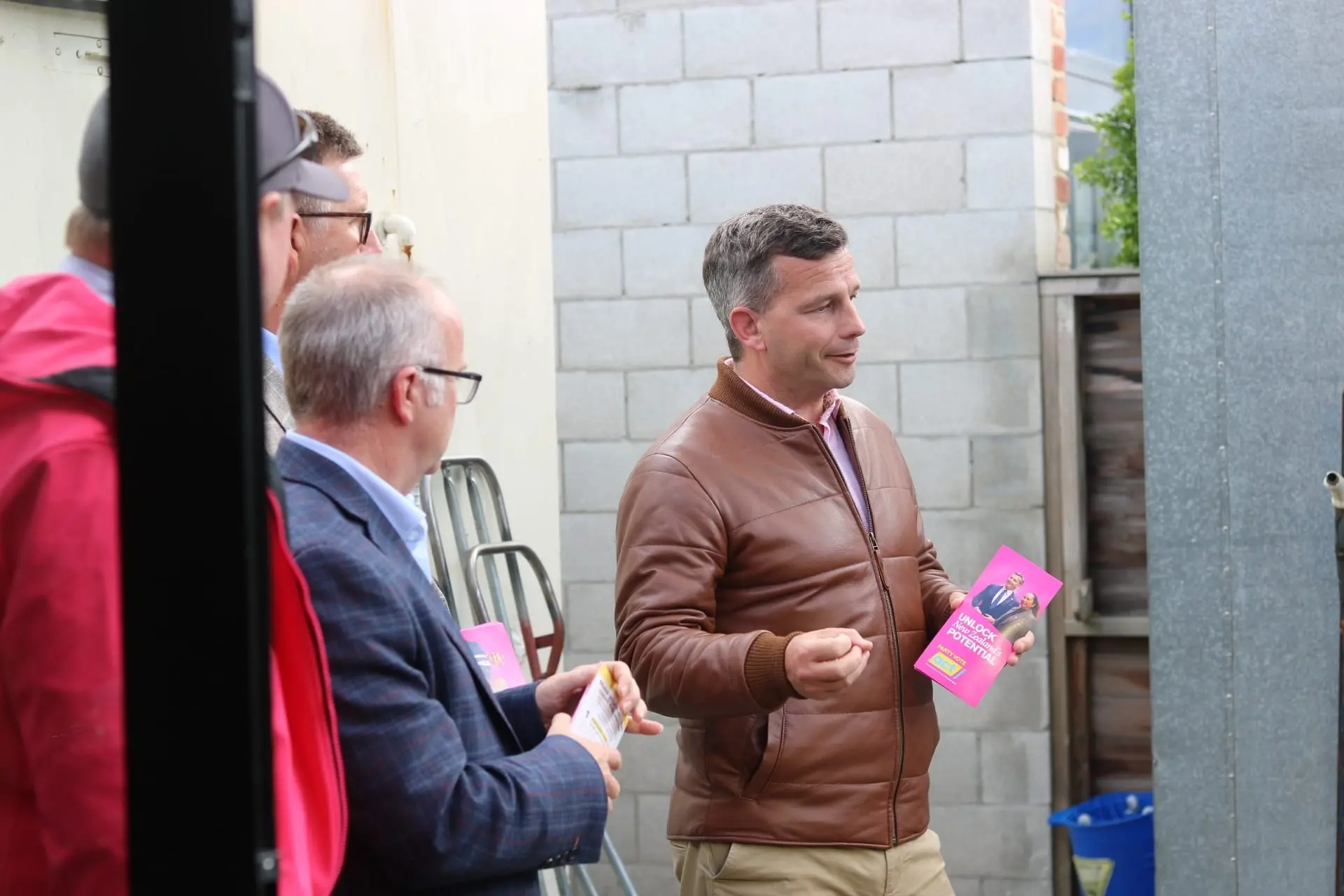
ACT leader David Seymour countered by urging more open-mindedness towards private healthcare.
"I think the biggest impediment to solving this problem is actually ideology. We've just heard how terrible the private sector is in health. And yet most people's experience most of the time is with the private sector. It's called pharmacies and GP clinics, by the way, all privately owned. If we want to solve this problem of getting secondary and tertiary care in the region, then we should be open-minded.”
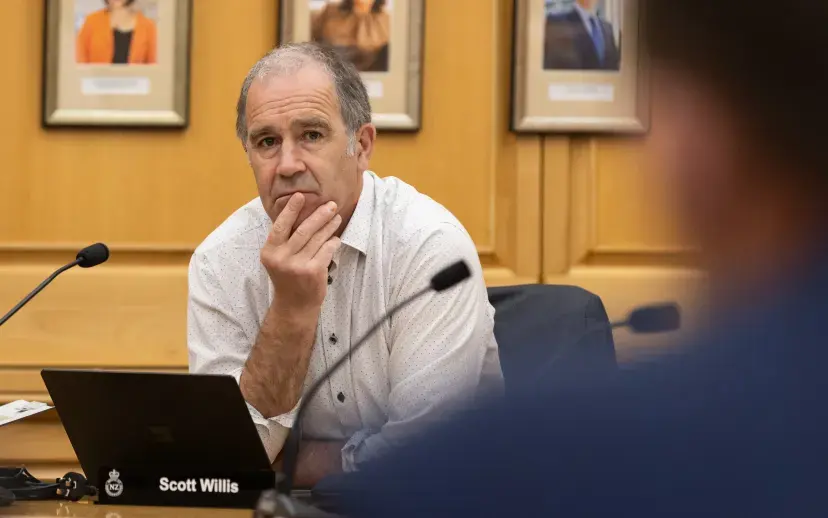
On the topic of energy reliability and soaring power bills, Green MP Scott Willis drew some of the loudest applause of the night as he rejected proposals for imported liquefied natural gas (LNG) in favour of renewables.
"We will take 200 million from the government subsidy for fossil fuels and put it into community energy ... so we can have peer-to-peer electricity systems.”
The panel also clashed over fast-track consenting and mining - with Kingdon-Bebb questioning if expedited approvals were appropriate for large-scale or complex developments.
"We think it needs to be limited to things that can demonstrate really clear social and economic and environmental benefit - not big housing developments, and certainly not open cast coal mines.”
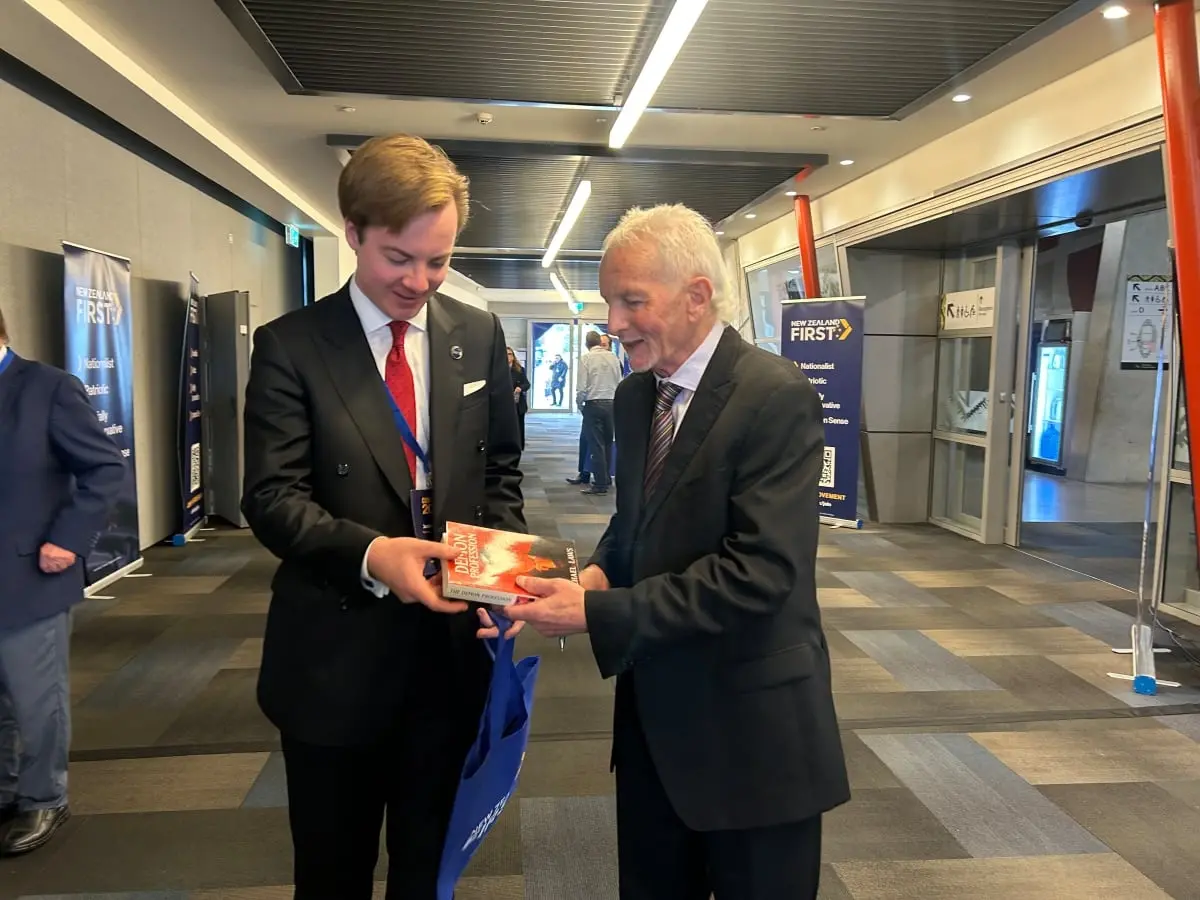
Laws, who admitted he was "probably not in the midst" of a natural New Zealand First audience, was booed after saying there was "nothing wrong with extractive mining at all" as long as environmental checks were in place.
Incumbent MP Miles Anderson, of National, told the crowd the process still had strict checks and balances - as proven by Contact Energy's rejected Lake Hāwea proposal.
"The fast-track process is robust and there's been a number of projects that have been canned because they weren't up to standard ... have faith in the process.”
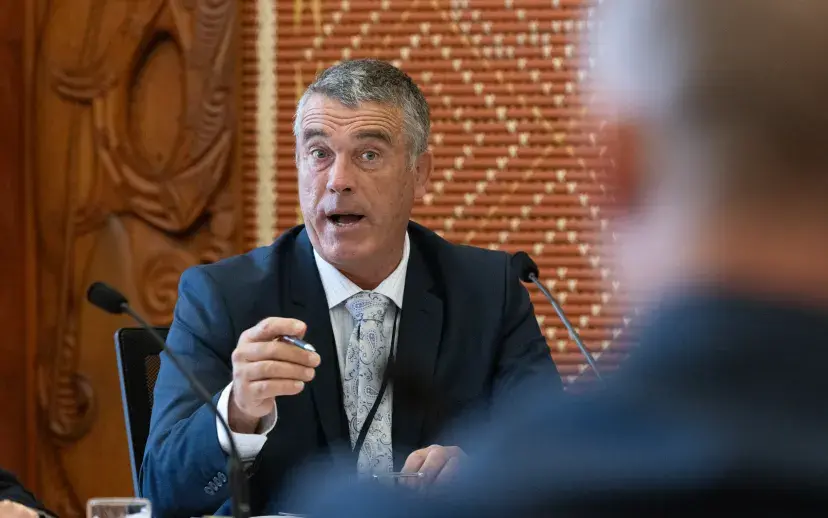
Anderson urged the crowd to vote for a candidate who had "worked hard and will work hard".
"I guess you could say I've done more kilometres and I'm well named for that because my name's Miles.”
Looking ahead to post-election coalition dynamics, Laws pitched New Zealand First as a grounding force on the right.
"New Zealand First stands proudly with the idea that we would be the conscience and the heart of a centre-right coalition.”
Seymour was quick to offer his own take on the partnership.
"Michael said that he would be the heart. You may wonder what the ACT Party would be - well, of course, the brain.”
The discussion came less than two weeks before election day, with early voting under way.
