

PHOTO
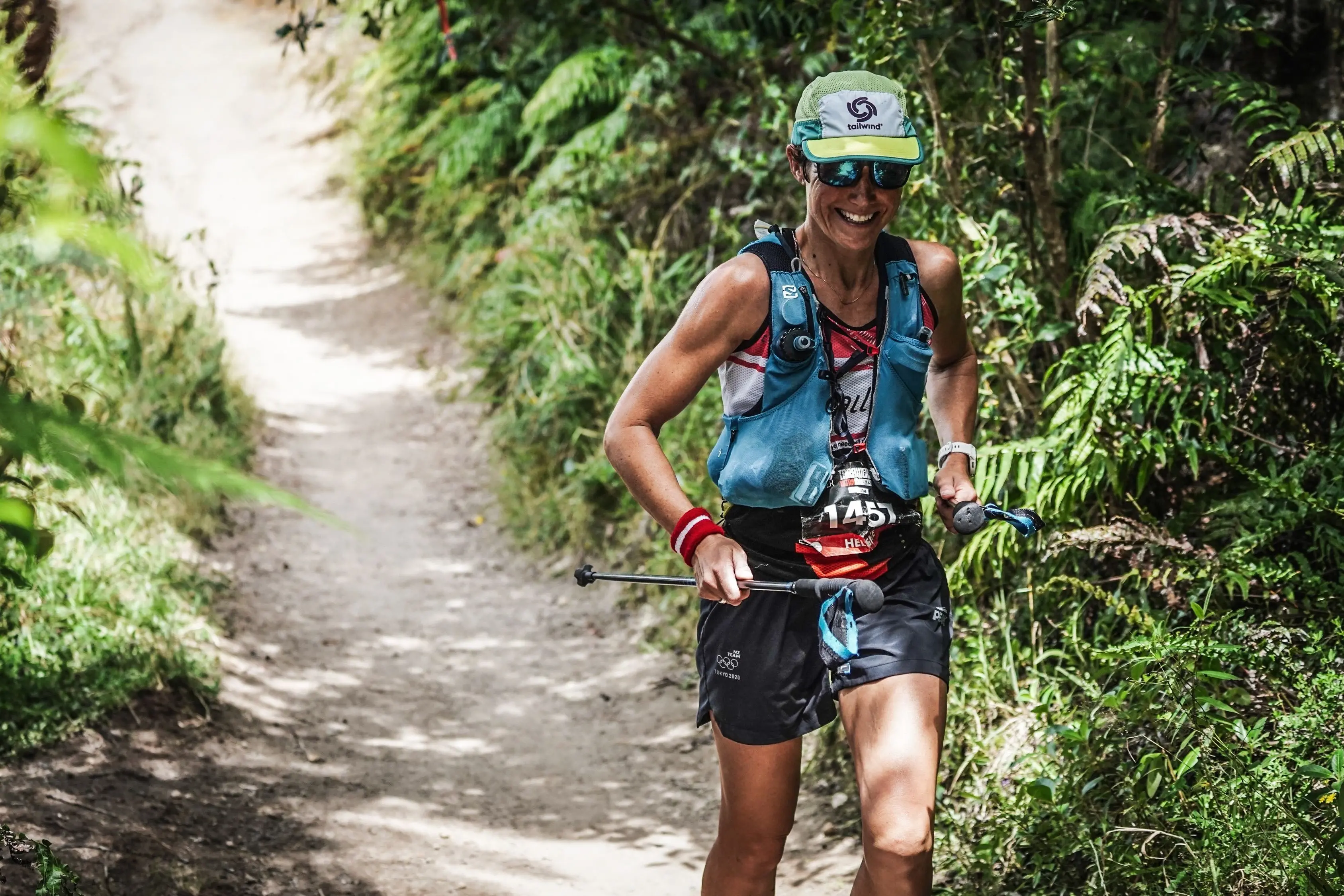
A Wānaka trail runner and physiotherapist says the support at Daffodil House Dunedin made all the difference in her cancer treatment.
Just five weeks after finishing fifth in the 100-mile Tarawera Ultramarathon, Wānaka trail runner, physiotherapist and mother Helene Barron was diagnosed with tongue cancer in April 2023, a media release from Cancer Society Southern said.
Ms Barron stayed at Daffodil House Dunedin of six weeks of radiation treatment while her husband Corey maintained as much normality as possible for their teenage sons at home.
“The crew there became like family,” Ms Barron said.
“We called it Cancer Camp … everyone was so supportive of each other, and being around other people who understood what you were going through meant a lot.”
Ms Barron’s husband Corey said “Knowing Helene was being looked after, safe, close to the hospital and supported there was a great relief”.
Ms Barron’s story of recovery comes with Cancer Society Southern facing rising demand.
The organisation’s annual report for 2026 said more than 4000 people were personally supported across the southern region last year, following the merger of its former divisions.
The report showed that the organisation recorded 4082 personal interactions with people affected by cancer, received 1892 new referrals and fielded 12,361 phone contacts, along with a further 7639 contacts by mail, email, text and video call, a media release said.
Over the year, Cancer Society Southern provided 14,718 nights of free accommodation, with 977 families finding care at the Canterbury Cancer Centre and Daffodil House Dunedin. Volunteers provided 6383 drives to treatment, covering 262,984 kilometres, while 969 people attended support programmes and 900 counselling sessions were delivered.
Cancer Society Southern Board chairwoman Hon Amy Adams said “demand for our services continues to grow.
“Rising living costs and financial pressures are affecting many families across the southern region, and a cancer diagnosis often adds further strain.
“More people are turning to us for help than ever before, and our ability to respond relies on the generosity and commitment of our community.”
Chief executive Christine Prince, who joined the organisation in March, says behind every figure in the report is a person.
“Behind each number is a person navigating treatment, travelling long distances for care, managing financial strain or coping with the emotional toll of cancer,” Ms Prince says.
“As more people live with cancer long-term, it’s important that we grow our services based on the need in the region we serve.” — Allied Media