
PHOTO
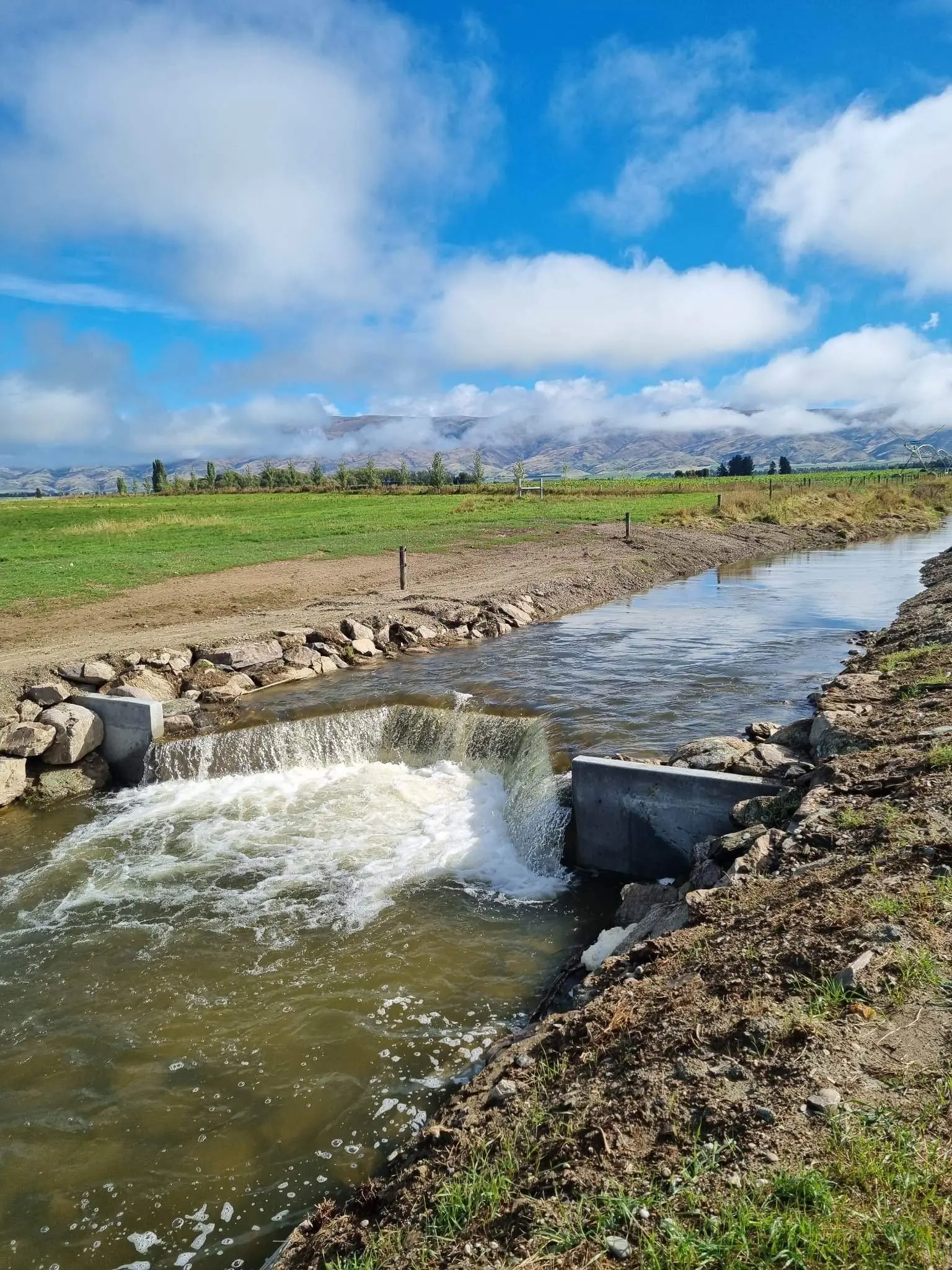
A rare Otago fish is getting greater opportunity to thrive, following the installation of a fish barrier weir, last Monday.
The weir has been installed in Thomsons Creek, west of Omakau, to guard the native Central Otago roundhead galaxiids against predators, such as trout and perch, moving upstream.
The 1 metre-high weir is part of the Thomsons Catchment Project to construct a wetland at the bottom of Thomsons Catchment that will improve water quality and protect native fish.
Project manager Nicola McGrouther said the project grew from a galaxiid survey of the whole catchment, in January 2021, in conjunction with the Department of Conservation, Fish & Game and the Otago Regional Council (ORC).
The survey showed a decline in galaxiids and an increase of trout and perch.
"The project is all about the community driving solutions to improve the water quality in their waterways and create a healthy and safe environment for the rare galaxiid fish," Ms McGrouther said.
"The generosity and support from everyone involved has made this a very special project and highlights how much our community, and the many others, really care about their local waterways and native species."
This was the first community-initiated barrier in Otago, Ms McGrouther said.
"It’s been an amazing and positive process, even getting the consents, having farmers and stakeholders working together to achieve a real gain for the environment."
The Central Otago roundhead galaxiids total remaining habitat is less than 22ha.
They are classified by the ORC as "near extinction".
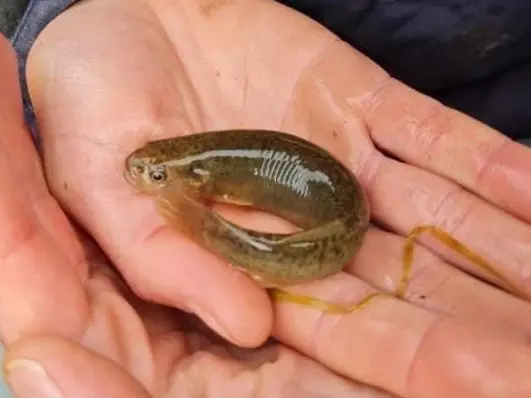
They are one of 12 species of native non-migratory galaxiids, remaining in the same section of water their entire lives. All had a "threatened" or "at risk" conservation status.
Otago Fish & Game chief executive Ian Hadland said the decline of indigenous fish populations could be attributed to many factors, not just predation by other fish species.
They were vulnerable to land-use change, wetland loss and sedimentation of habitat, Mr Hadland said.
"Providing other factors which can impact on galaxiid habitat can also be managed, lowering predation by trout and perch should help tip the population balance in favour of the galaxiids. Fish & Game has a statutory mandate to maintain sportsfish (trout and salmon) populations. However, it has policy which prioritises non-migratory galaxiid protection where possible and practical. This is one of those situations, and we are pleased to have been be a part of it."
Predatory fish already upstream of the barrier will be removed by electric-fishing, in which fish are temporarily stunned before being released downstream.
The project is co-funded by the Ministry for the Environment, through a Jobs for Nature grant of $110,000, and an ORC contribution of $40,000.