
PHOTO
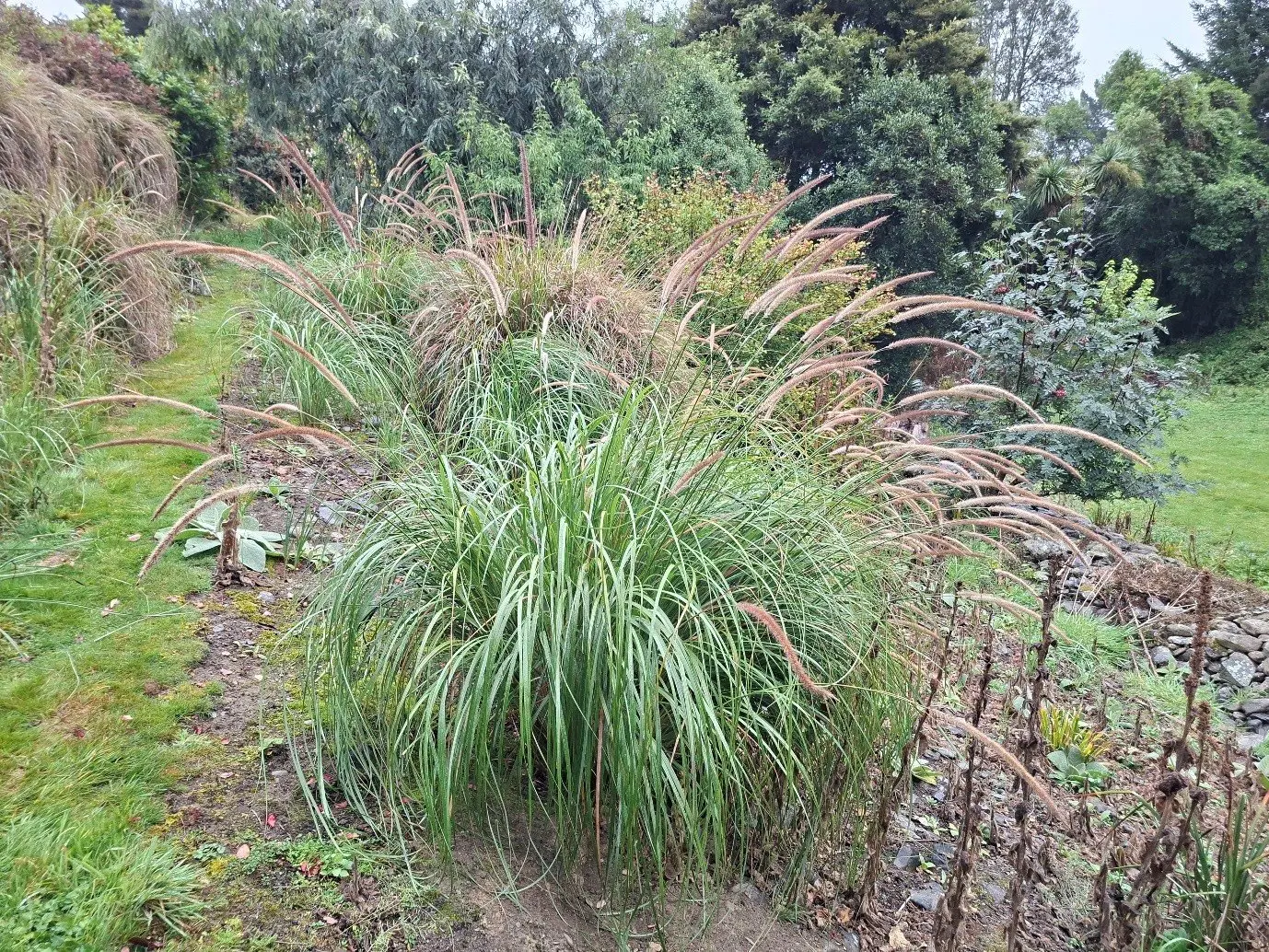
A problem plant has been caught green-handed thanks to detection work from a mother and daughter "pest detective" duo.
Herbert resident Elizabeth King spotted the "unusual" plant in her garden and sent a photograph to daughter Tilly, who was "pretty sure" it was African feather grass and not meant to be in Otago.
The sighting was reported to the Otago Regional Council, which has begun control work to tackle the incursion.
African feather grass is a tussock-like grass that forms thick clumps up to 2m high. It was previously found and eliminated in another part of East Otago.
The plant produces a lot of seeds that are easily spread by wind and carried on clothing, and it can crowd out valuable grazing land.
Ms King said: "I thought the plant was quite unusual, so I took a photograph and sent it to my daughter Tilly as I was keen to get it identified."
"ORC responded very quickly, did a site visit, had it officially identified and have made a plan for removal. They also held a meeting with the community.
‘‘Their response has been swift and amazing. We are hoping now they can remove it successfully without it spreading.
"The Waianakarua River is a beautiful river which we need to look after.
‘‘I think we are really lucky Tilly knows her plants as I could easily have picked and spread the seeds."
Portfolio lead Cr Andrew Noone said they were "grateful to both Tilly and Elizabeth for acting as pest detectives and reporting this incursion, meaning we can carry out control work to stop this pest spreading further".
"If you are not quite sure if a plant is friend or foe, you can find identification guides on our website and report pests using our report a pest form," he added.
The African feather grass was found in four clusters in the garden but it had not spread to neighbouring properties.
Biosecurity staff have removed seed heads and a contractor is being brought in to carry out control works.
An incursion response plan has been prepared, the council said.
Size: African feather grass is a tussocky grass and forms thick clumps up to 2m high.
Leaves: Whitish green on top, ribbed, and dark green underneath. The leaf edges feel rough when touched, and the casing is covered in hairs.
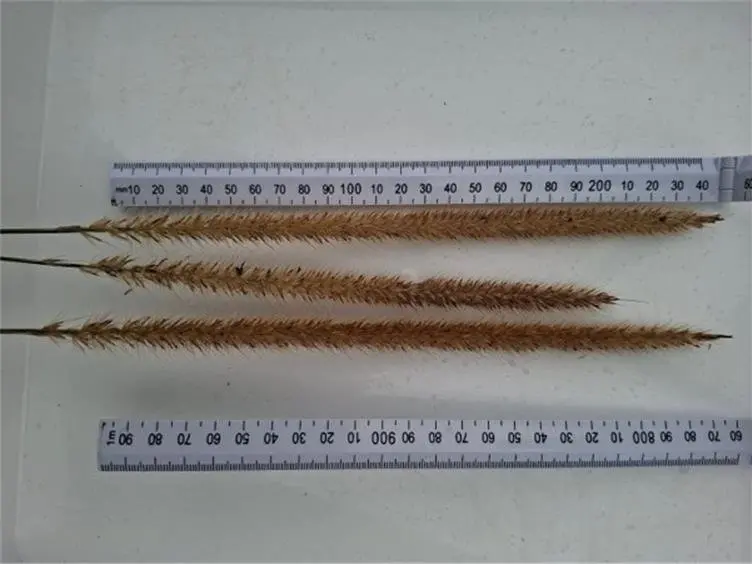
Flowers/seeds: The flowers form a long, thin, straw-yellow colour spike, sometimes with a purplish tinge. The seeds have bristles that allow them to become easily attached to clothing, animal hair or wool.
Root system: African feather grass produces lengthy, fibre-like roots and stems that will form new shoots.
Habitat: Includes open areas, shrubland, grassland, coastal areas, cliffs, riparian margins, gravel beds, wasteland, and roadsides.
What to do
ORC said the public should not attempt to undertake control of African feather grass themselves. Instead, report it (or any other pest) online at orc.govt.nz/reportpests
Note the location
Take a photo (if possible)
The council can also be contacted on 0800 474 082