Doc hails partnership as ‘new approach’
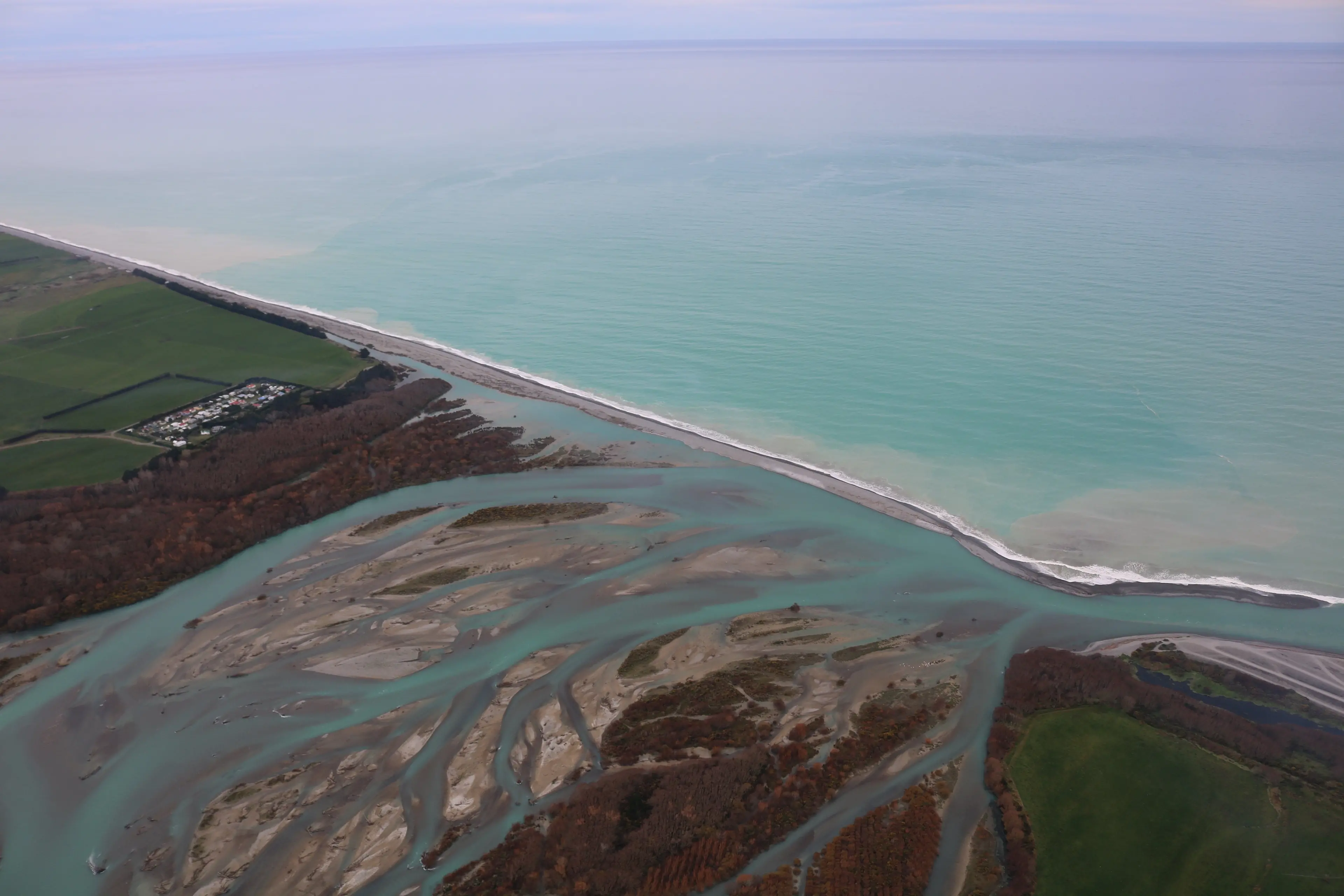
The Waitaki Marine Reserve  is described as a ‘‘distinctive’’ section of the Otago coast where...
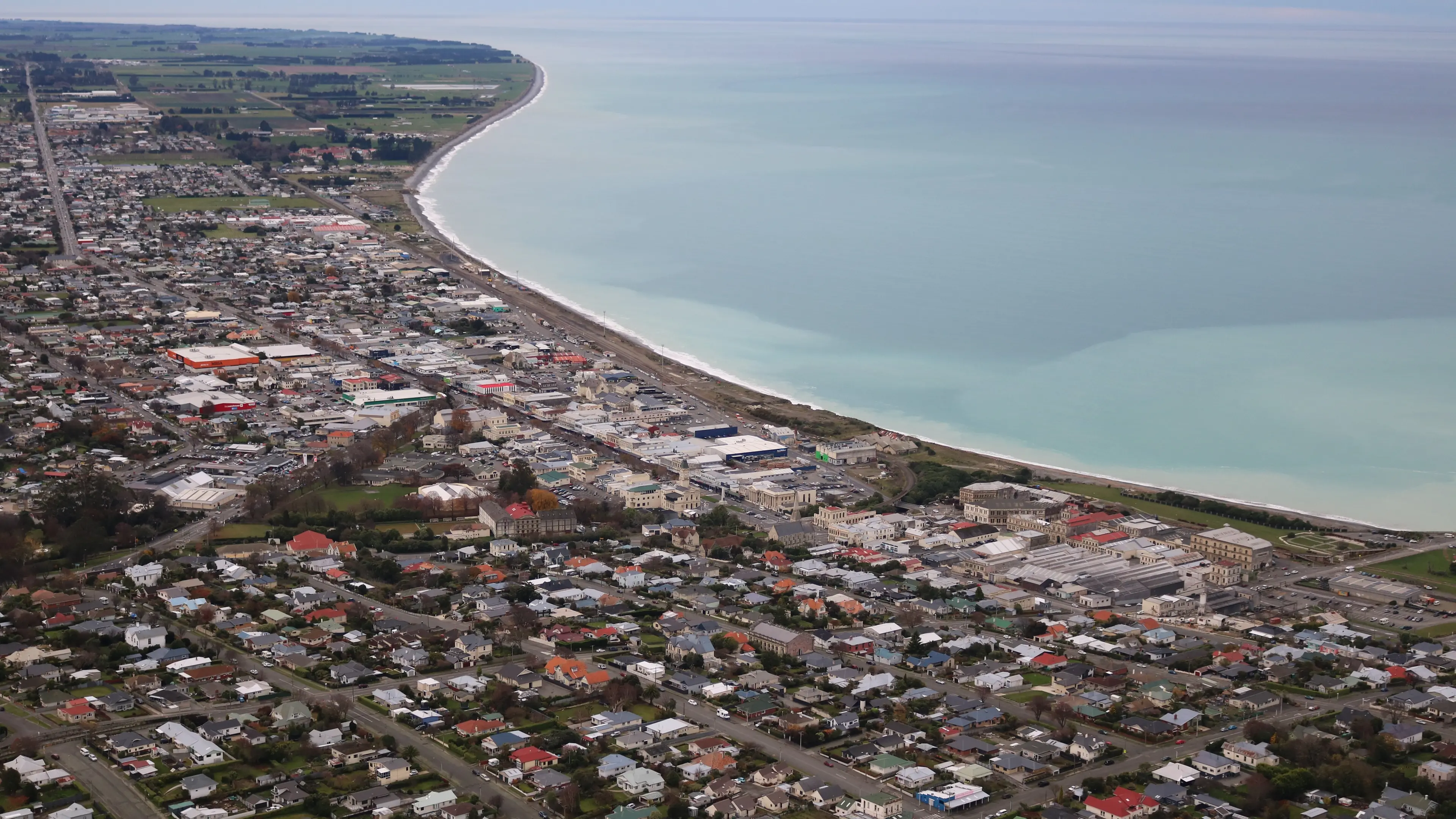
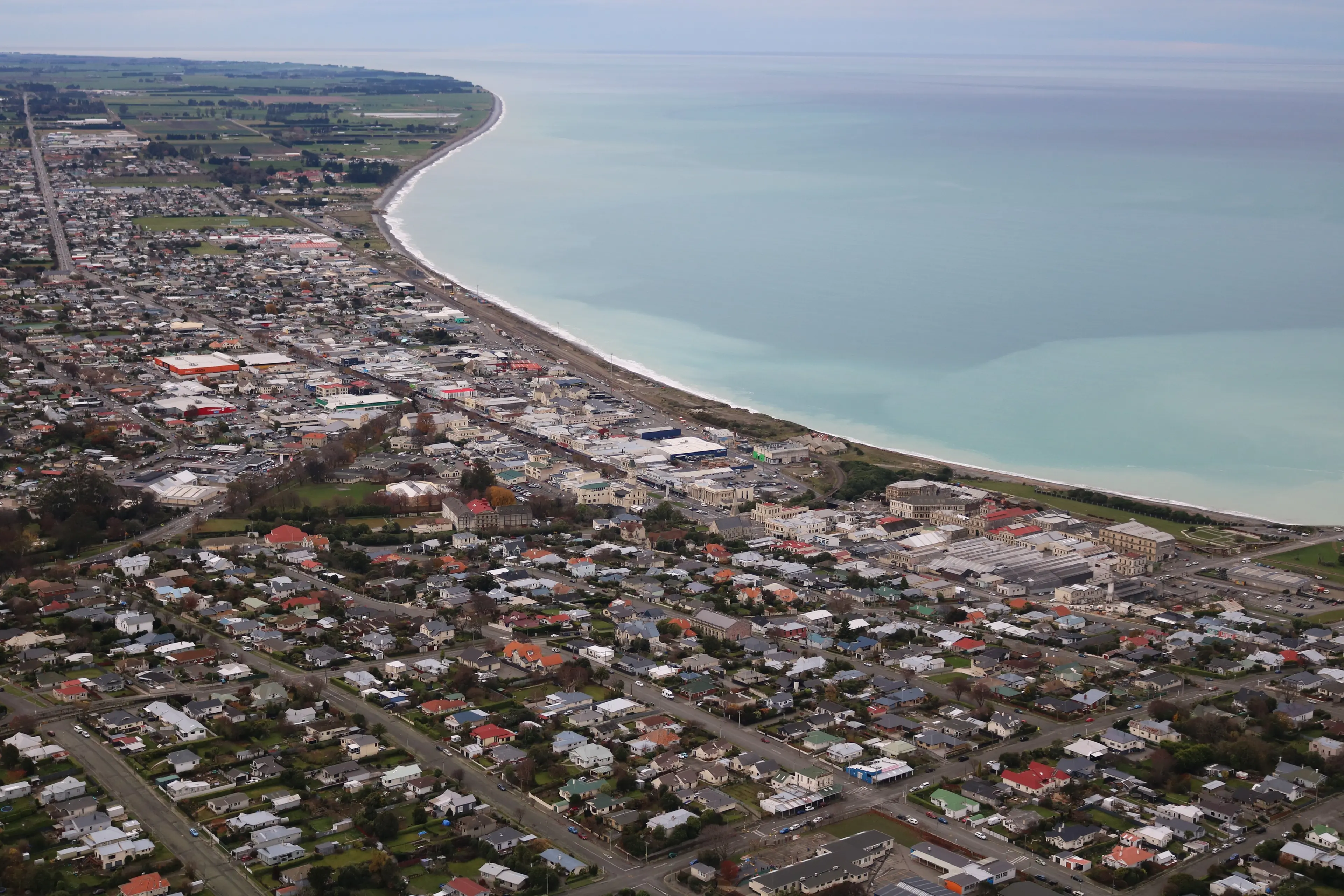
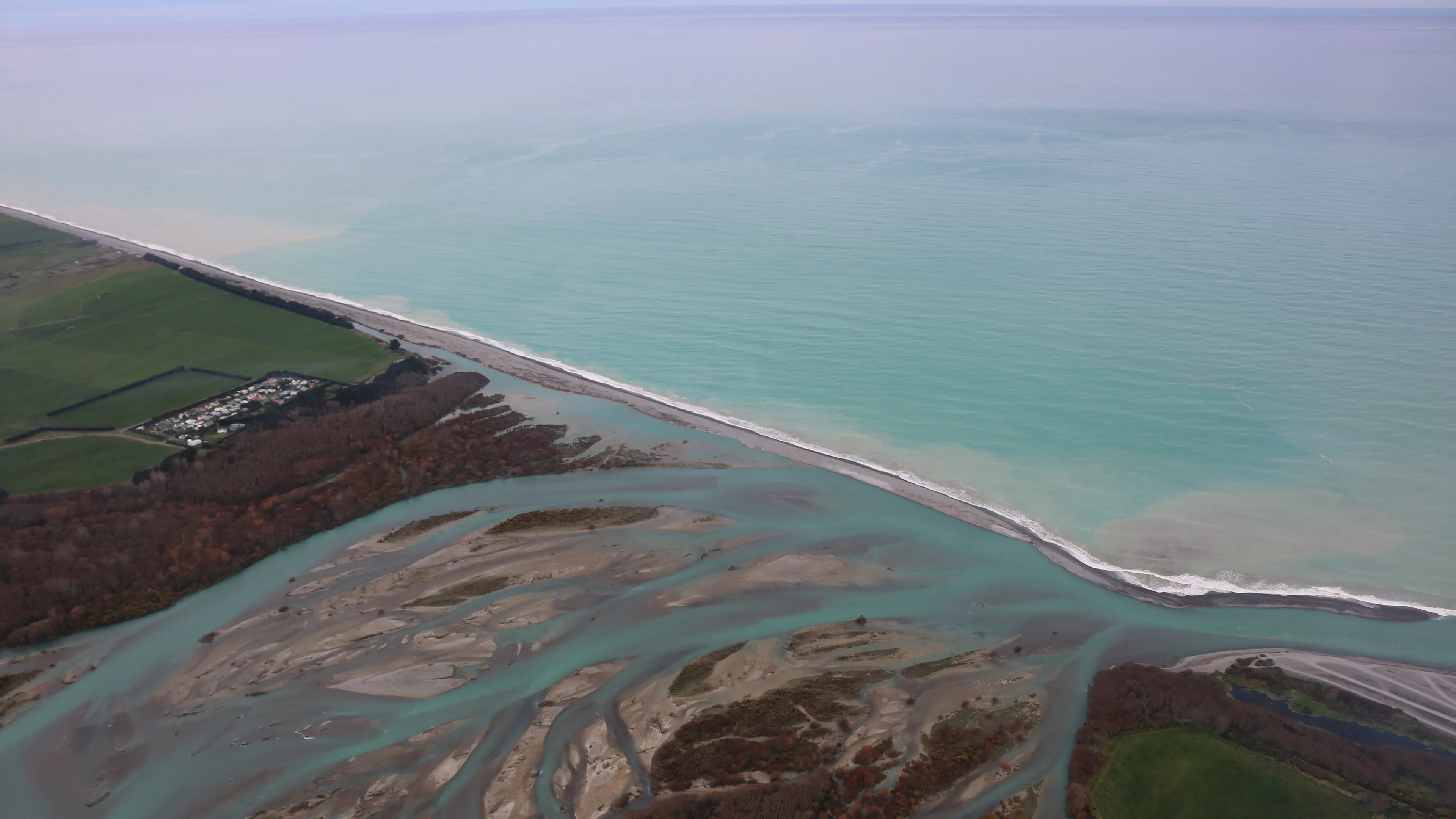
The Waitaki Marine Reserve is described as a ‘‘distinctive’’ section of the Otago coast where river, estuarine and coastal marine environments meet. The reserve will be located just south of the Waitaki River mouth (pictured from a North Otago Aero...
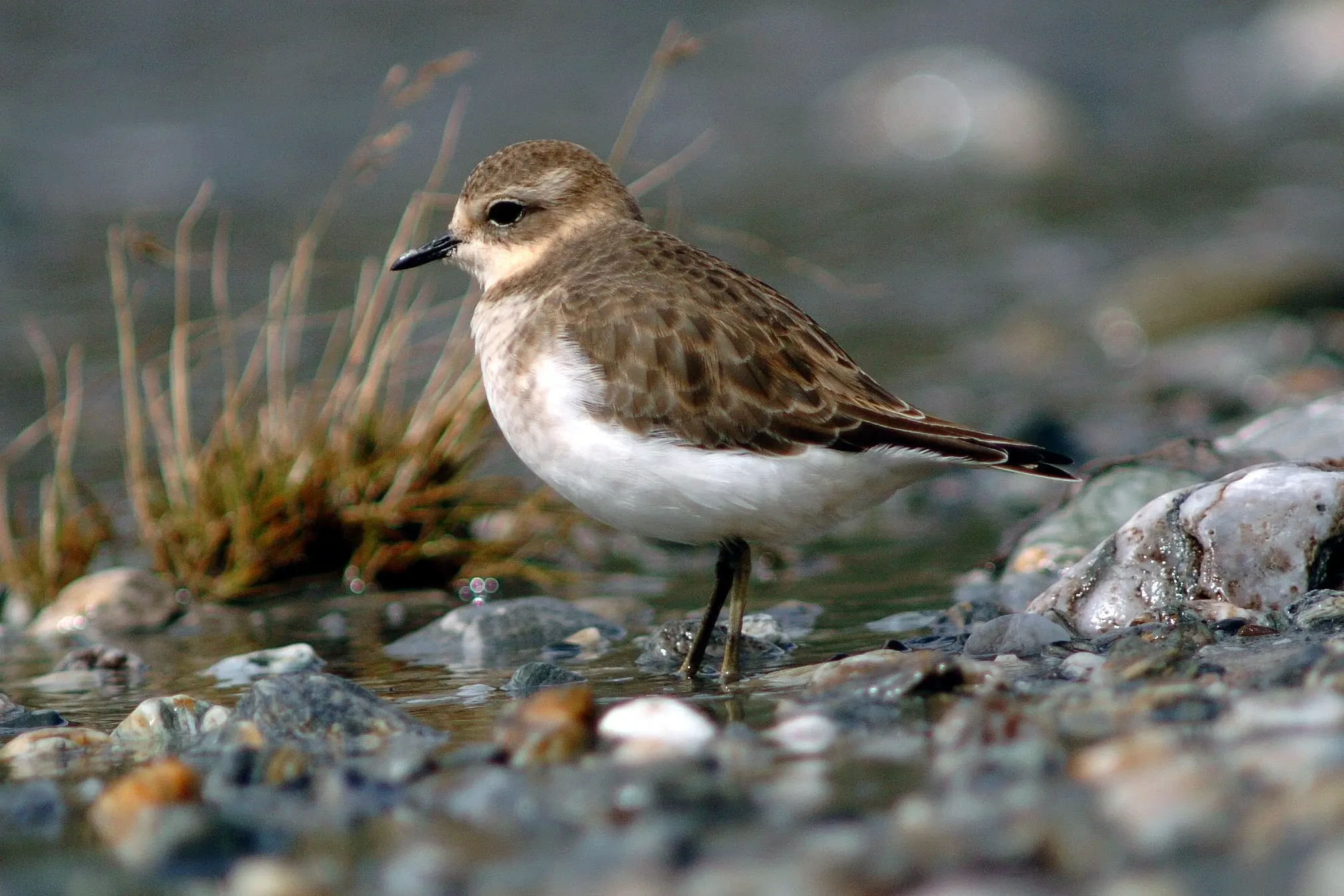
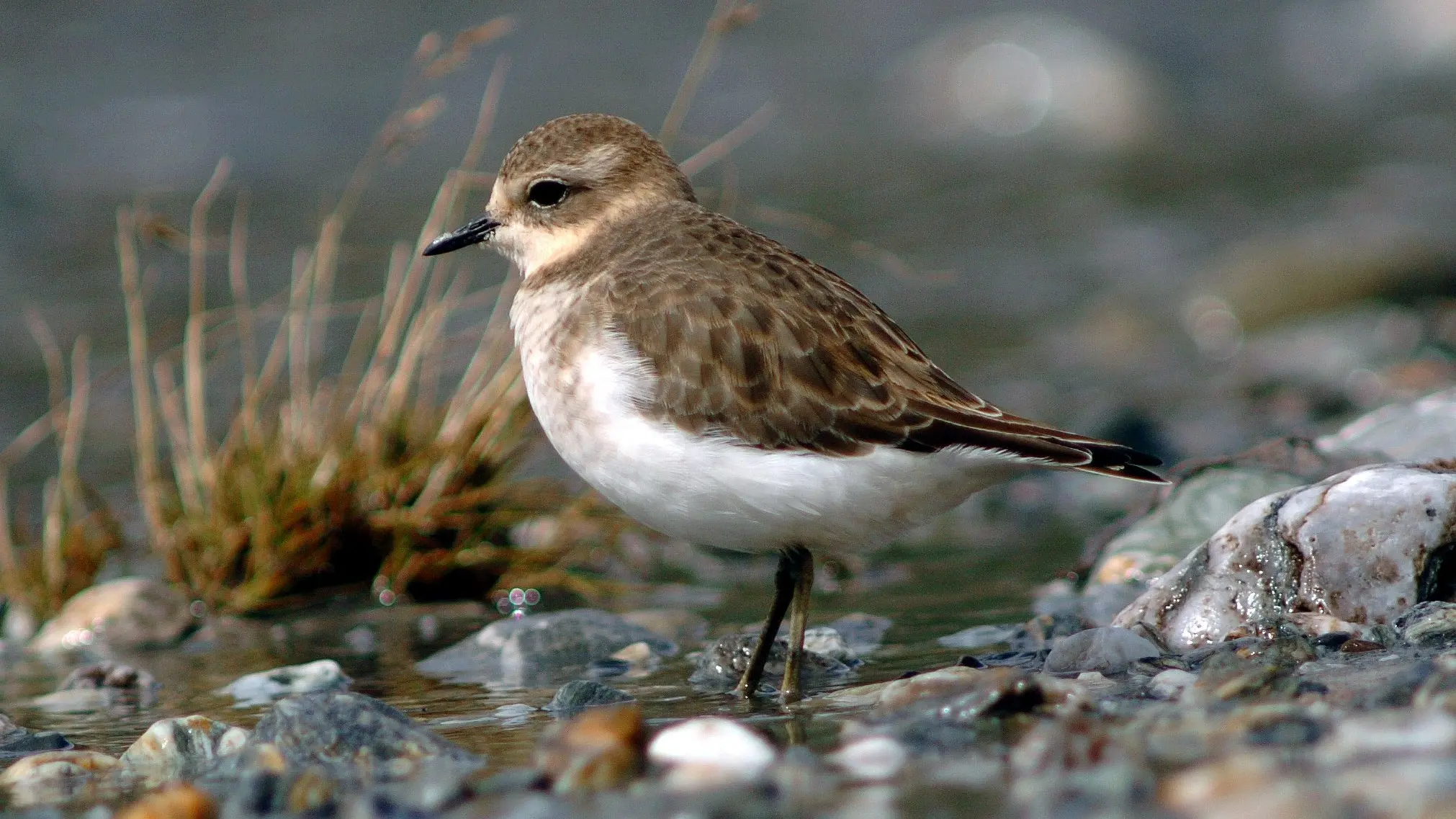
Banded dotterel.
Banded dotterel.
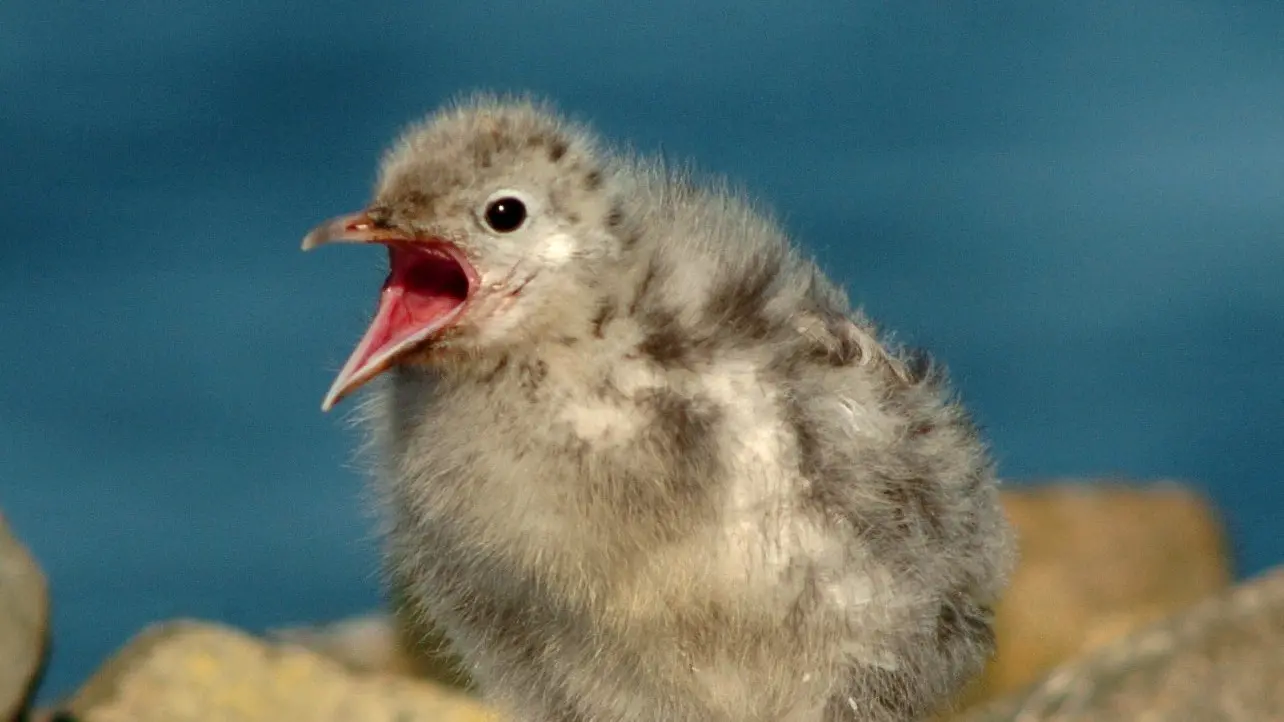
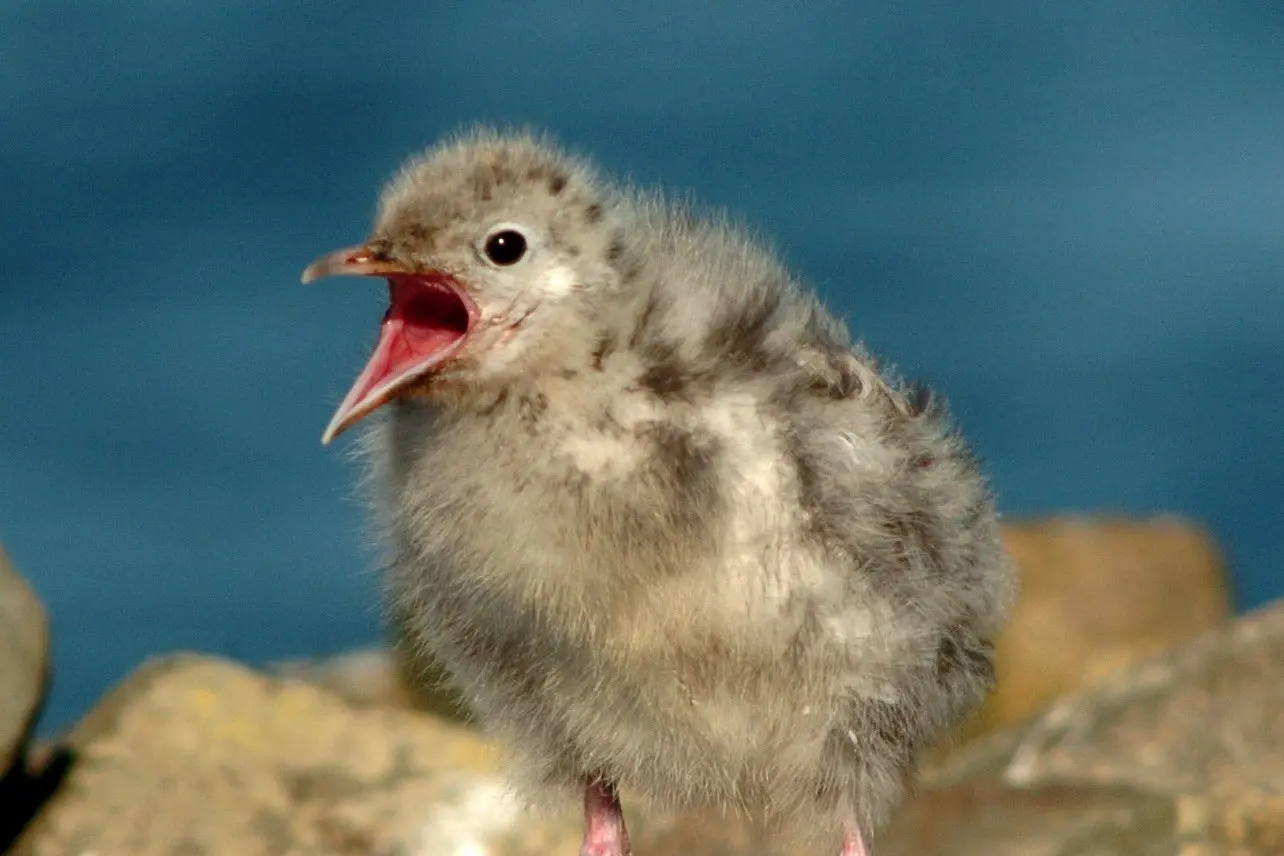
Black-billed gull chick.
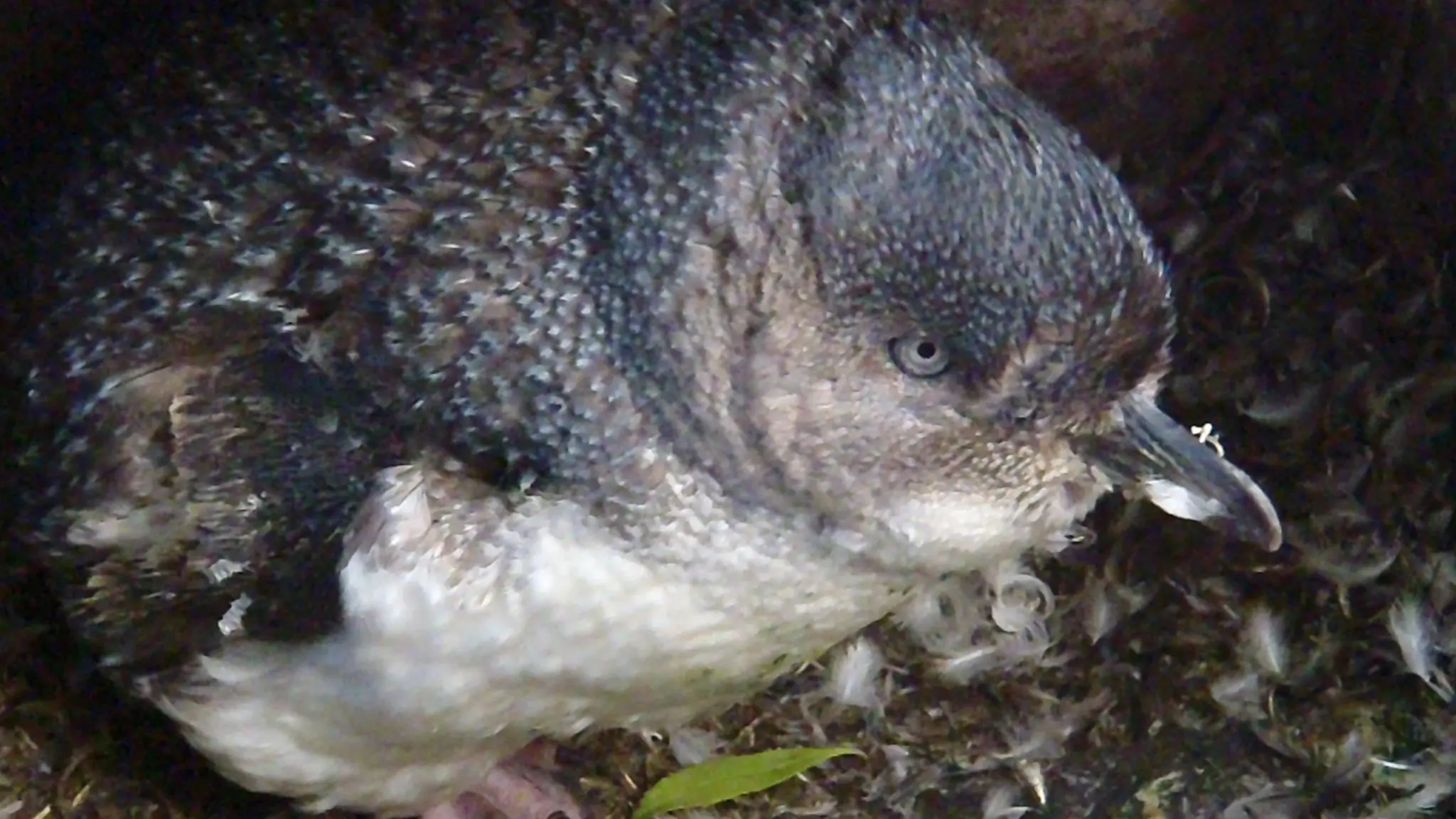
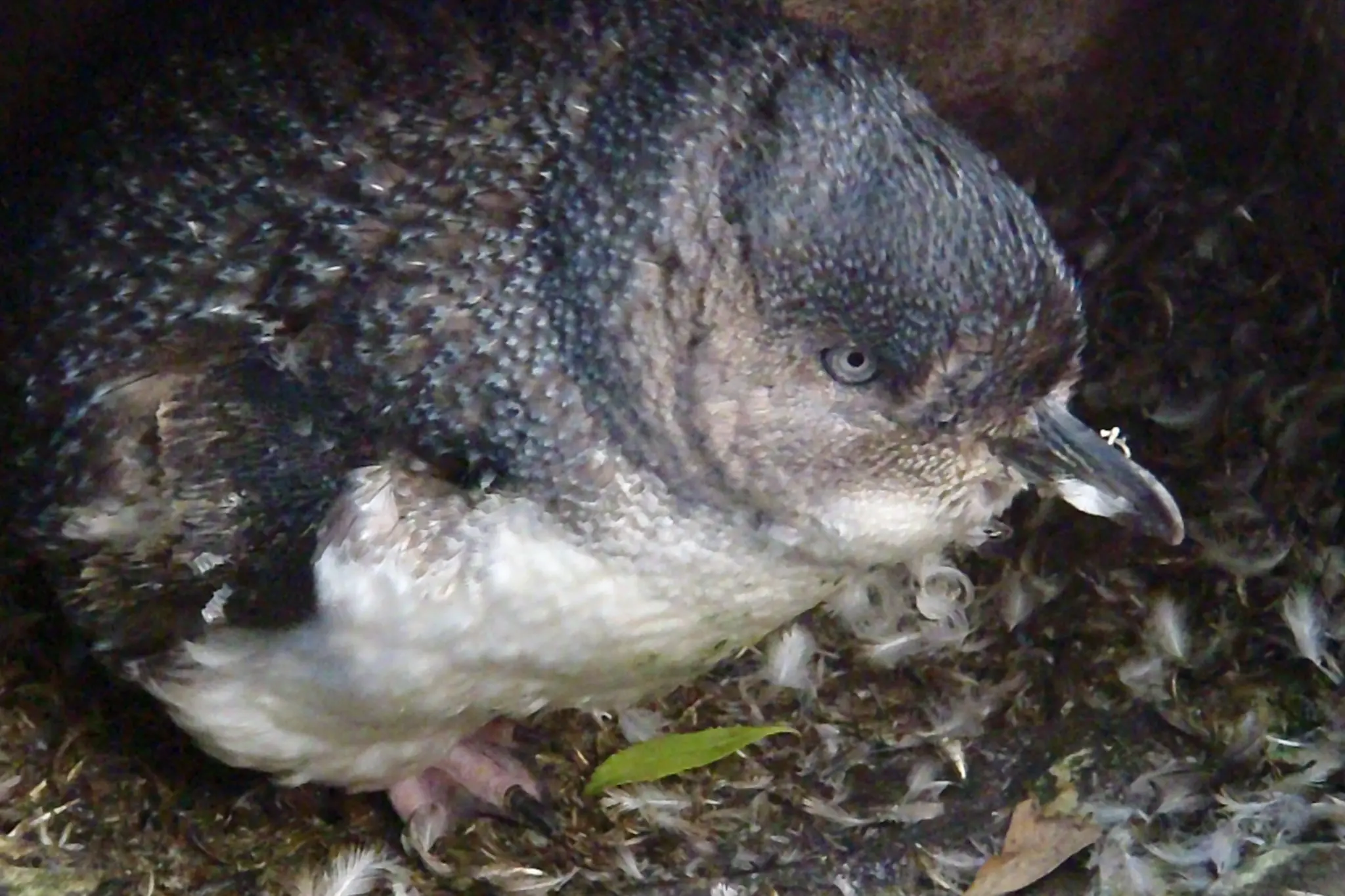
Little penguin.
Little penguin.
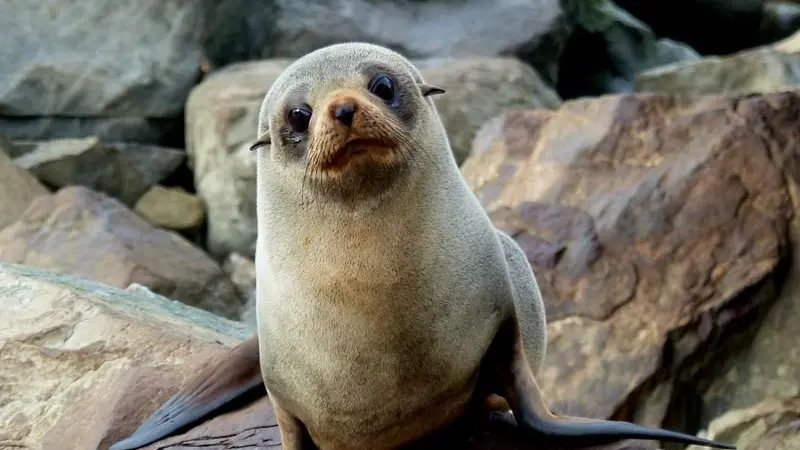
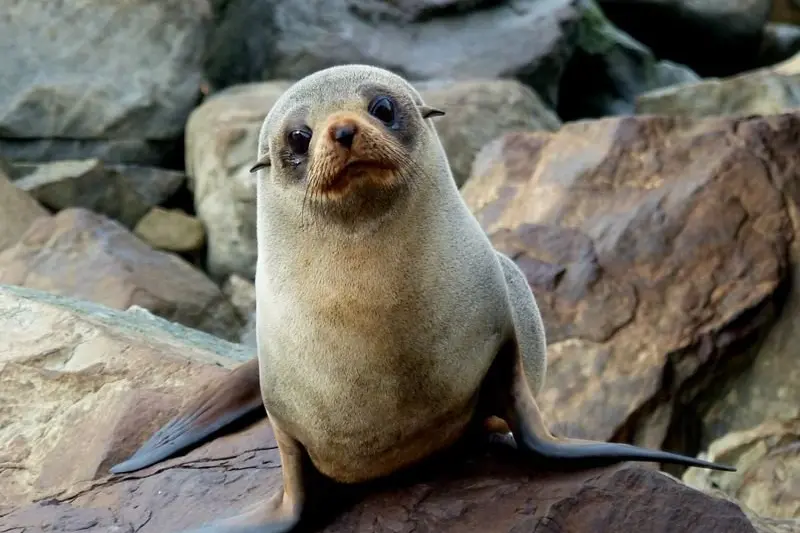
New Zealand fur seal.
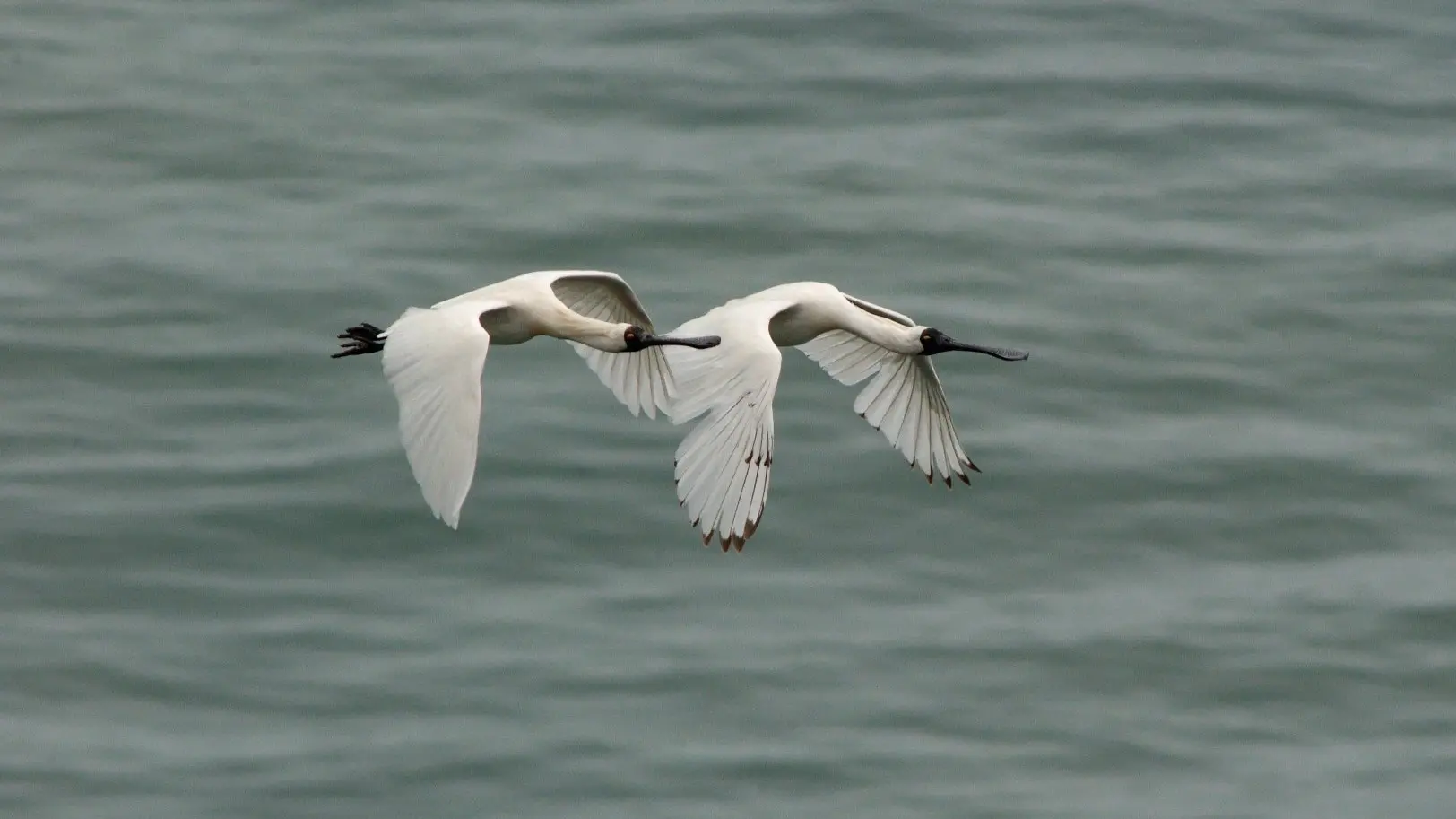
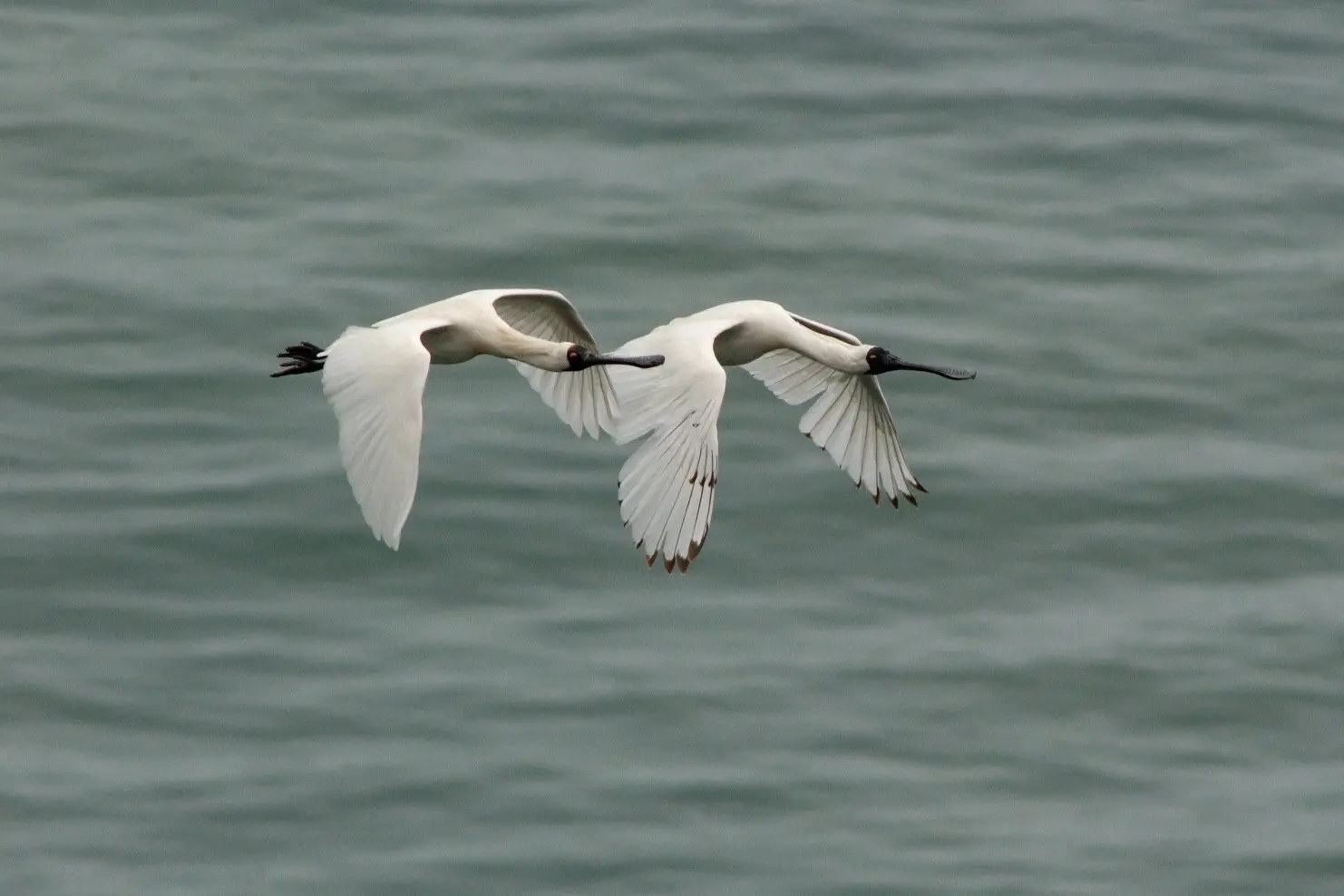
Royal spoonbill.
Royal spoonbill.
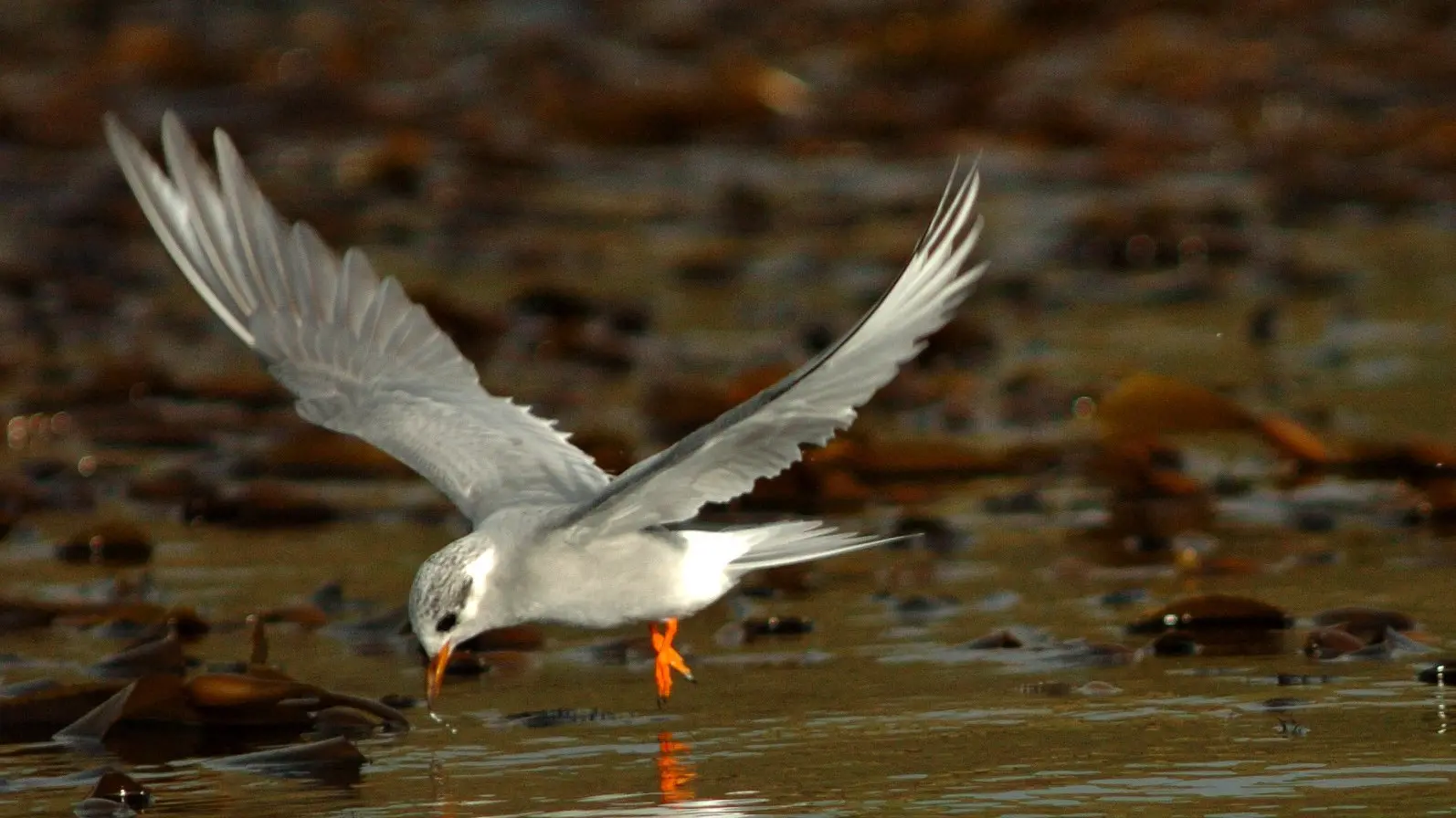
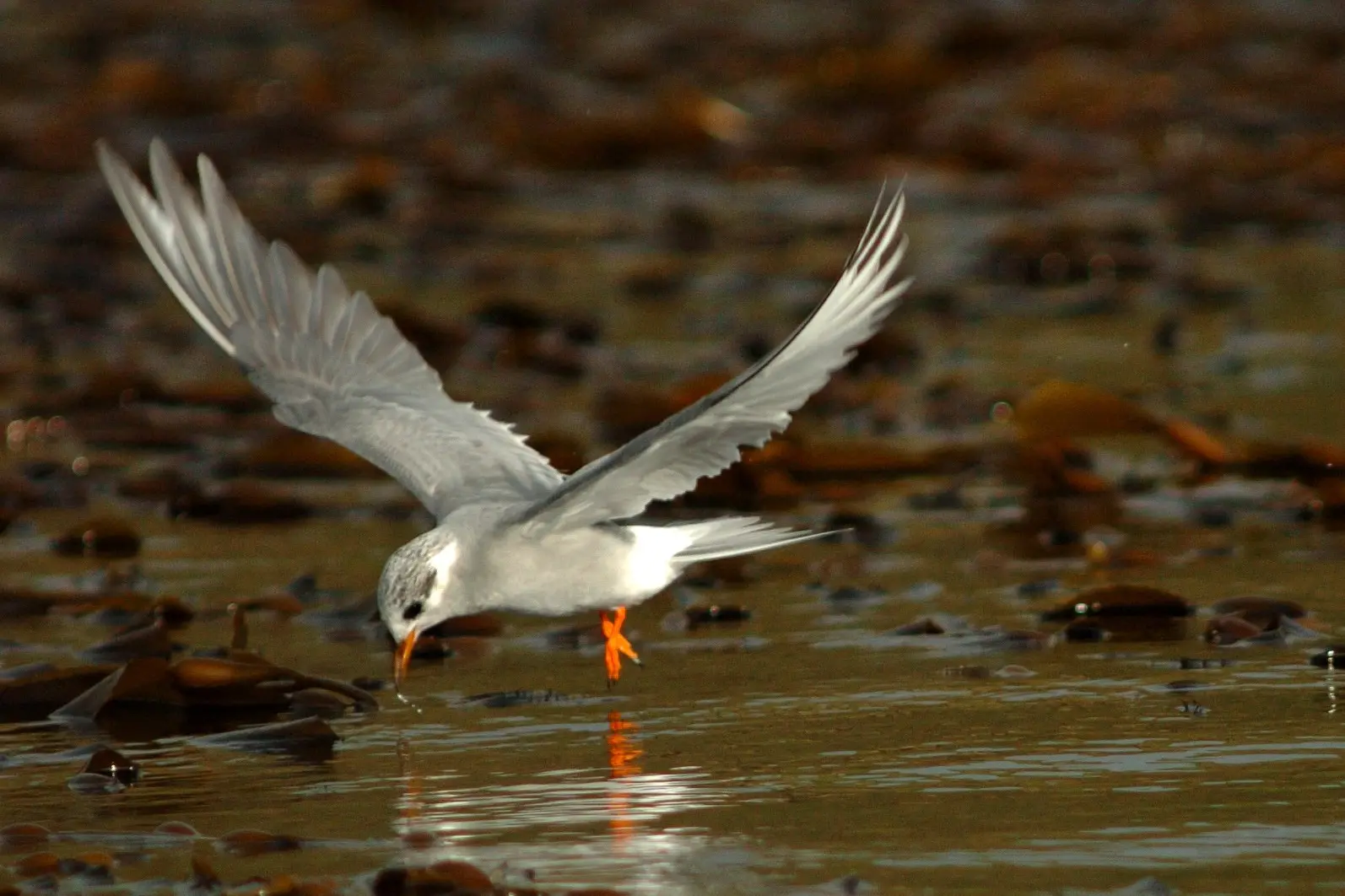
Black-fronted tern.
Black-fronted tern.
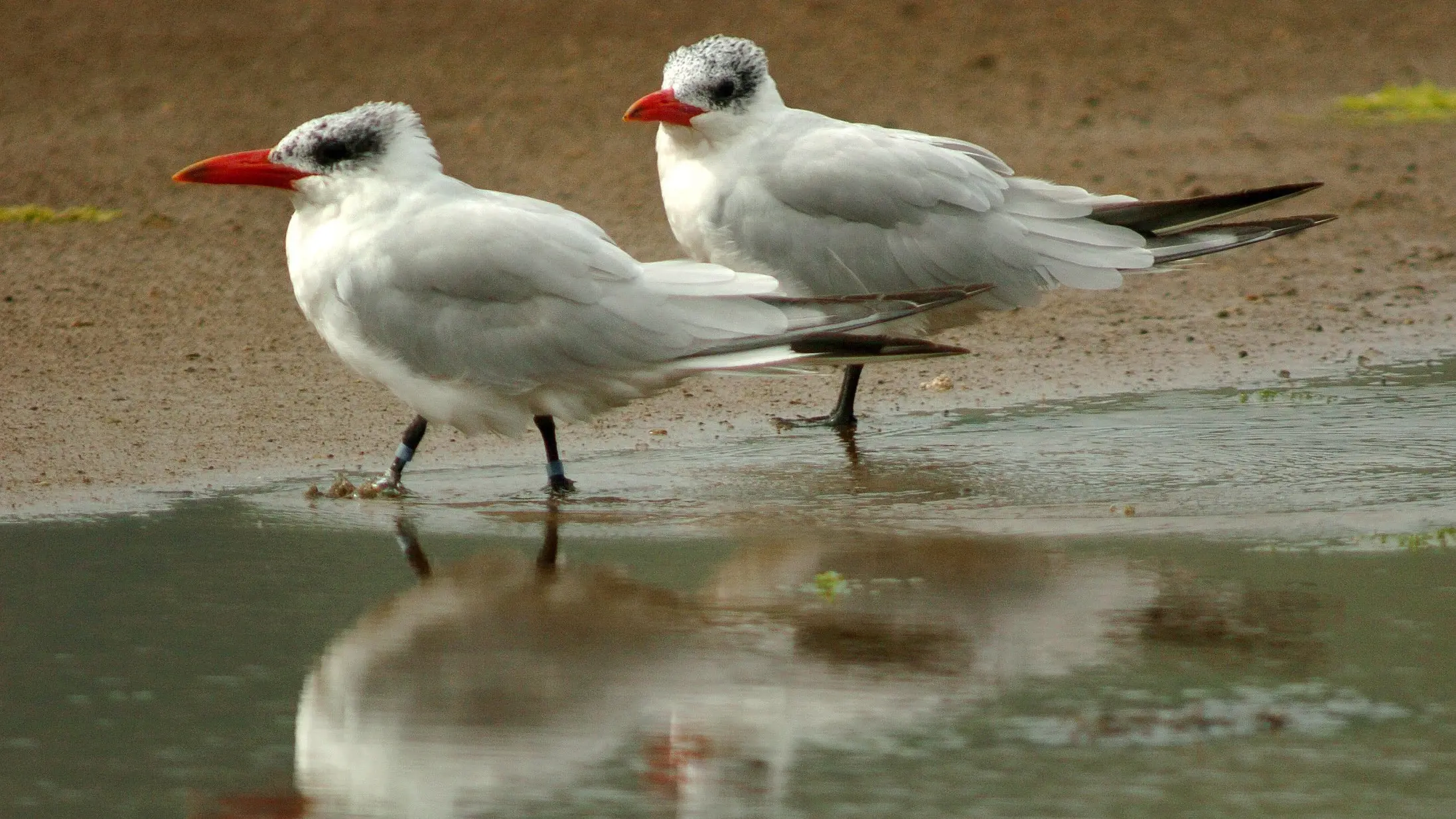
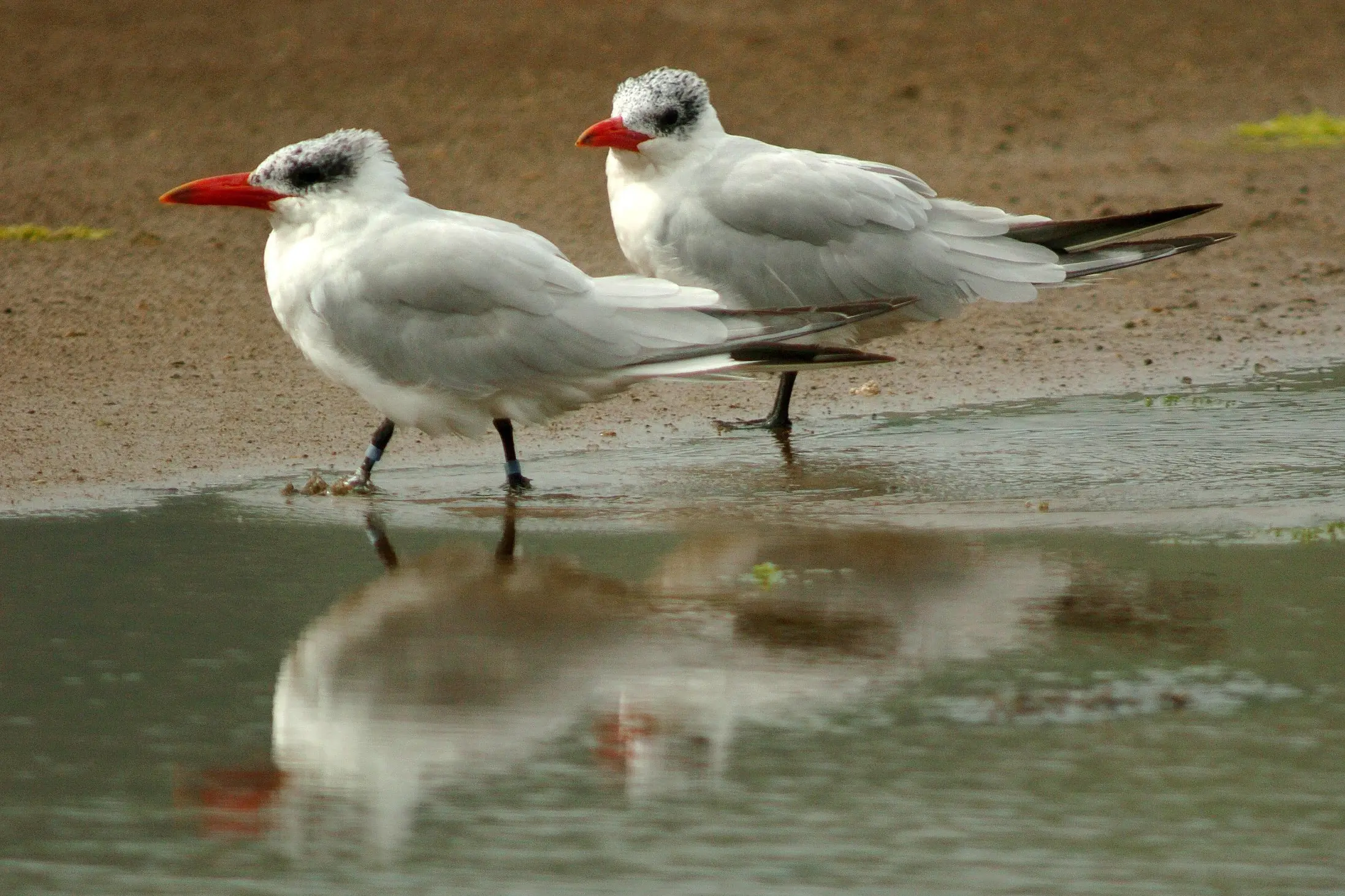
Caspian tern.
Caspian tern.

The Waitaki Marine Reserve is a significant feature in the wider Otago network of new protected coastal areas. Charley-Kai John takes a look at what the reserves aim to achieve and some of the wildlife they will safeguard.

A marine reserve which will soon stretch from the north of Oamaru to the mouth of the Waitaki River is part of a wider Otago network now given a new name.

The Waitaki Marine Reserve is one of five marine reserves set to come into effect from next month.

Together these protected environments will cover 308sq km or 4% of the Otago region’s coastal marine area.

The Southeast Marine Protection Network has been named Te Au Roa o Te Rakihouia, Kāi Tahu and the Department of Conservation (Doc) have announced.

The name reflects ancient voyaging traditions and associations, acknowledging Kāi Tahu ancestral explorers and long-standing connections to the coastal landscape of southeast Te Waipounamu.

Doc and Kaī Tahu will co-manage the marine reserves once they are in place.

Marine reserves are fully protected areas that minimise human disturbance, allowing marine life and ecosystems to return to a more natural state, a joint statement said.

The reserves are “no take” areas.

Surveying and developing maps and signage for the marine reserves is taking place.

A team of nine rangers is being recruited, alongside monitoring of the current state of habitats and species.

The Waitaki Marine Reserve will protect a “distinctive” section of the North Otago coast, where river, estuarine and coastal marine environments meet, Doc said.

Kāi Tahu rangatira Edward Ellison, Upoko of Te Rūnanga o Ōtakou, described the creation of the marine protection network as a “pivotal step” towards “promoting the long-term health of this precious marine environment”.

“The name Te Au Roa o Te Rakihouia refers to the long wake or enduring ocean pathway of Te Rakihouia, son of the great explorer Rākaihautū and the first known human to journey along and around the coastline of the South Island, conveying the enduring relationship between our people and the moana.

“Having governance and management structures in place that recognise the rakatirataka and kaitiakitaka of Te Rūnanga o Moeraki, Kāti Huirapa Rūnaka ki Puketeraki and Te Rūnanga o Ōtākou in our respective rohe will help ensure that decisions around the management of Te Au Roa reflect our customary practices and local knowledge of these coastal areas.

“Te Au Roa will complement the existing mātaitai and taiāpure reserves, providing the opportunity for habitats and animals within the reserve network to become more abundant and diverse over time while sustaining our deep connection with the moana and coastline.”

Doc operations director Aaron Fleming said the partnership with Kāi Tahu was a new approach.

“This is new for marine reserve management in Te Waipounamu and Aotearoa. Our partnership with Kāi Tahu means we’ll share decision-making and a new team of Doc and Kaī Tahu rangers will carry out day-to-day management and monitoring of the marine reserves.

“We see this as an opportunity to work together to improve conservation outcomes and enable these special marine ecosystems to flourish for the benefit of everyone.

“We’re excited to get to this point and look forward to the benefits marine protection will bring to Otago’s amazing marine life and the region.”

GRAPHIC: ODT
GRAPHIC: ODT
The marine reserves were first announced in Dunedin in 2023 by the then-Labour government and were green-lit at the end of last year.

The boundaries of a sixth marine reserve, Te Umukōau, between Moeraki and Waikouaiti, are being reconsidered following consultation with the Otago Rock Lobster Industry Association and others involved in a recent judicial review, the joint statement said.

Otago Rock Lobster Industry Association previously took the matter to court over the decision-making for the new reserves.

The Minister of Conservation will decide on the new boundaries.

The Waitaki Marine Reserve will support an “exceptional” range of bird life and coastal wildlife, centred around the “dynamic” river mouth, lagoons and shoreline habitats, Doc said.

The area is “particularly important” for threatened braided river species such as ngutu pare/wrybill, turiwhatu/banded dotterel, tarapirohe/black-fronted tern and black-billed gull. Coastal areas also host white-fronted and Caspian terns, South Island pied oystercatchers and poaka/pied stilts.

Nearby wetlands attract waterfowl including paradise shelduck, Australasian shoveler and visiting royal spoonbills.

Along the coast, kororā/little penguins can be found, alongside New Zealand fur seals and coastal shags.

The Waitaki River itself provides an important passage for native fish such as inanga/whitebait, tuna/longfin eel and flounder.

Marine reserve rules

• No fishing of any kind. 

• Don’t take or kill marine life.

• Don’t remove or disturb any marine life or materials.

• Don’t feed fish — it disturbs their natural behaviour.

• Take care when anchoring to avoid damaging the sea floor.