Queenstown and Wanaka residents’ increasing dissatisfaction with their council is disappointing and also highlights the impact of Covid-19 on the area, the deputy mayor and chief executive say.
The Queenstown Lakes District Council’s fourth Quality of Life Survey, released on Monday, reveals just 25% of respondents are satisfied with the council (down from 34%) and even fewer — 19% — are satisfied with elected representatives (down from 33%).
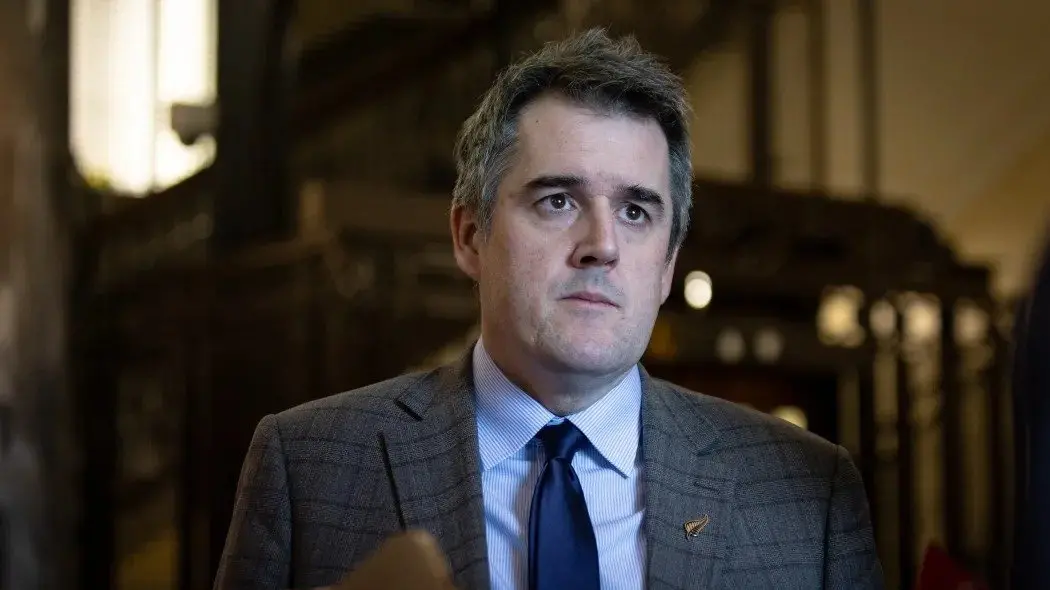
Deputy mayor Calum MacLeod and council chief executive Mike Theelen said the results were disappointing and to a large extent highlighted the effects of Covid on the community.
"Yes, it is disappointing. It is worth reflecting . . . A huge effort was put in by council to get Queenstown Lakes through the last two years.
"The Quality of Life survey is a one-off hit. It is definitely valid and definitely worthy of further investigation. I would suggest it is reflective of the times we are in," Cr MacLeod said.
It was important to remember that people rarely gave good feedback to the council, he said.
"Usually there is a pipe blocked or a consent that’s taking too long. That is inherent in the nature of our business. For example, lowering speed limits. It is the right thing to do . . . but we are dealing with an emotional reaction. It is deeply unpopular but we have to reconcile that with doing the right thing."
External factors, such as Three Waters and other local government reforms, also led to perceptions that politicians were dreadful, he said.
Mr Theelen said the challenges were not unique to the QLDC but there was certainly "no denying the figures are disappointing, especially given the work done by council staff to mitigate the impact of Covid-19 on our local economy and in supporting our community through tough times".
Levels of dissatisfaction were up across other sectors as well.
"I totally understand that people are feeling generally tired so that’s going to manifest itself in other areas."
Council staff would also analyse the findings and look for patterns and connections between the lower satisfaction levels and other results.
The survey was a snapshot of perceptions and feelings. Underlying causes could emerge in consultations and community engagements this year, he said.
Asked what he thought might be making people feel dissatisfied, Mr Theelen said "it’s no secret that there is a national and global shift in how some parts of society are feeling about local and central governments".
The council wanted to understand more about that shift and identify improvement opportunities. That would involve working with other agencies.
It was important people kept engaging with each other and giving feedback on projects.
The local body elections are in October. The council would be encouraging a diverse range of representatives to step forward, Mr Theelen said.