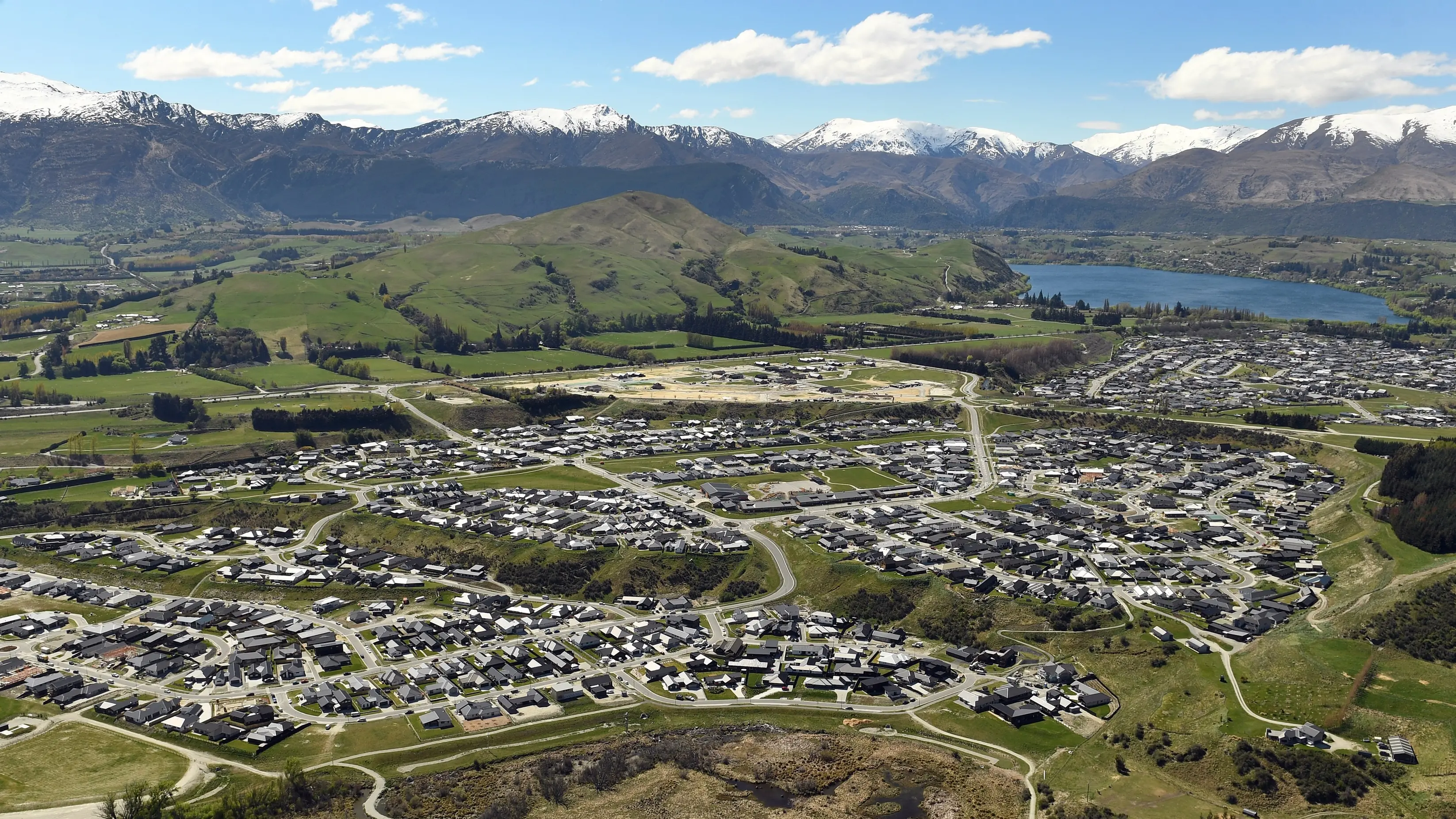
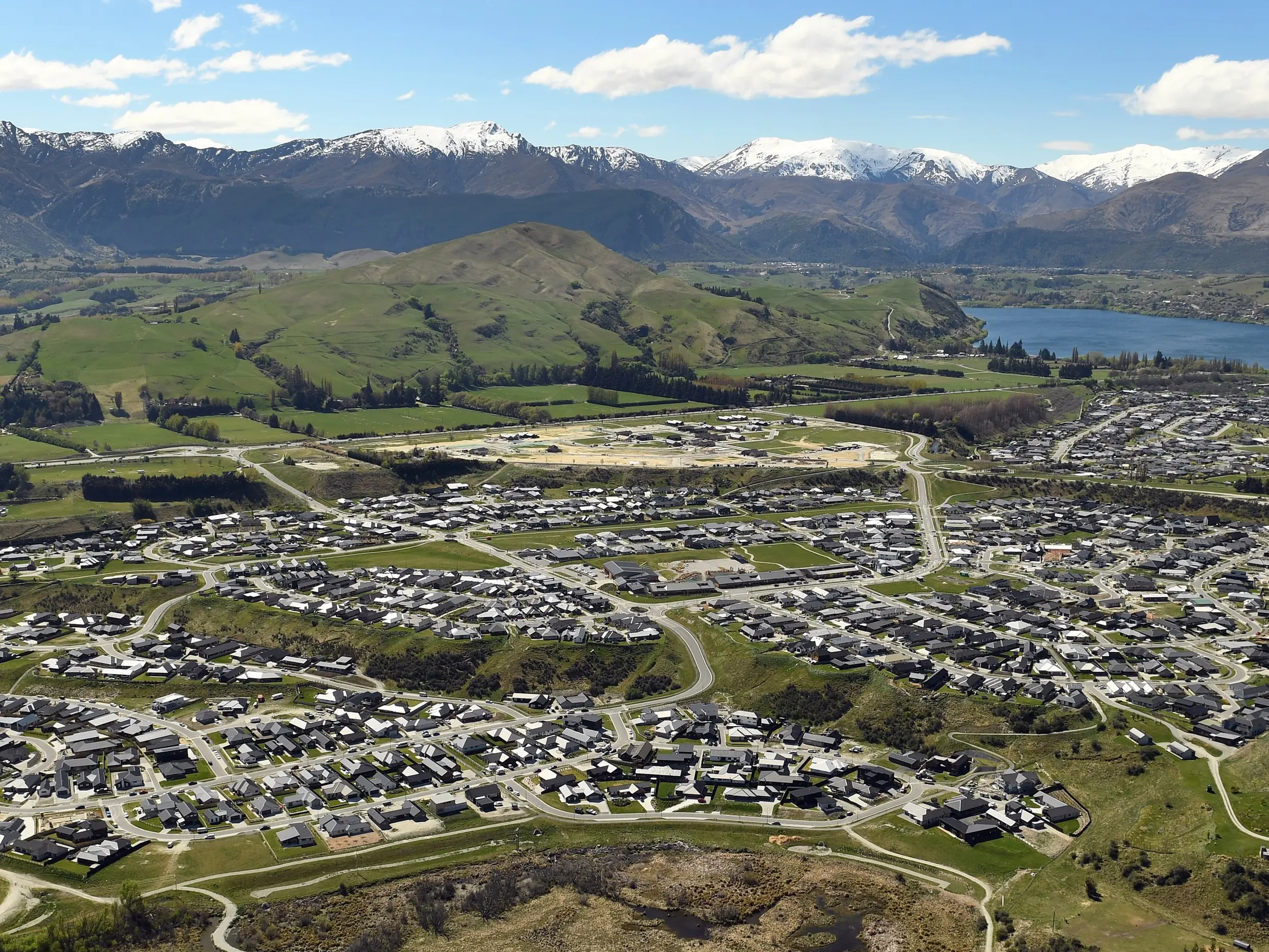
The Shotover wastewater treatment plant. PHOTO: STEPHEN JAQUIERY The discharge of treated wastewater into Queenstown’s Shotover River for the next five years will degrade its water quality, but serious harm to aquatic life is unlikely, a new report says. The report, commissioned by the Otago Regional Council (ORC) and placed on its website yesterday, will help the Environment Court decide whether to grant the Queenstown Lakes District Council (QLDC) two resource consents relating to its Shotover wastewater treatment plant. The author of the 92-page document, planning consultant Hannah Goslin, said she had drawn on technical advice from several independent consultants that indicated adverse effects on water quality would be less severe if a proposed diversion channel in the riverbed was effective in maintaining a continuous flow of water past the discharge point. Historical ecological monitoring carried out when lower-quality treated wastewater was being discharged into the river indicated serious harm to aquatic life was unlikely, Ms Goslin said. "Effects on fish passage, the form, function, wild and scenic characteristics of the Shotover and Kawarau Rivers are considered low." In a contentious move, the QLDC invoked emergency powers to start discharging treated wastewater directly into the Shotover River on March 31. It cited Queenstown Airport Corporation concerns that ponding in the treatment plant’s failing disposal field had led to increased bird activity, which was elevating bird strike risk around the nearby runway. The QLDC subsequently applied for a retrospective resource consent to continue the direct discharge until the end of 2030, and applied for a second consent to modify the riverbed to ensure the discharge is always going into flowing water. In July, at the QLDC’s request, the ORC decided both applications should be referred to the Environment Court for a decision. The publicly notified applications received 10 submissions, with six opposed, three neutral and one in support. The court, which will decide on the applications after a hearing that is expected to take place next year, made a slew of orders earlier this year requiring the QLDC to achieve a series of milestones in relation to the treatment plant. One of the orders requires it to have a long-term disposal system for the plant’s treated wastewater operating by the end of 2030 — QLDC councillors will be briefed on the shortlisted options at a public workshop today. In her report, Ms Goslin reiterated the proposed consents would degrade the river’s water quality, even though they were mostly in line with regional planning rules for essential infrastructure, and uncertainty remained over the QLDC’s ability to maintain the diversion channel to allow sufficient dilution of the discharge. The consent applications also raised "unresolved" concerns over cultural values and the environmental significance of the rivers. Further engagement with stakeholders, and "comprehensive and enforceable conditions" would be required if the consents were granted, she said. guy.williams@odt.co.nz