
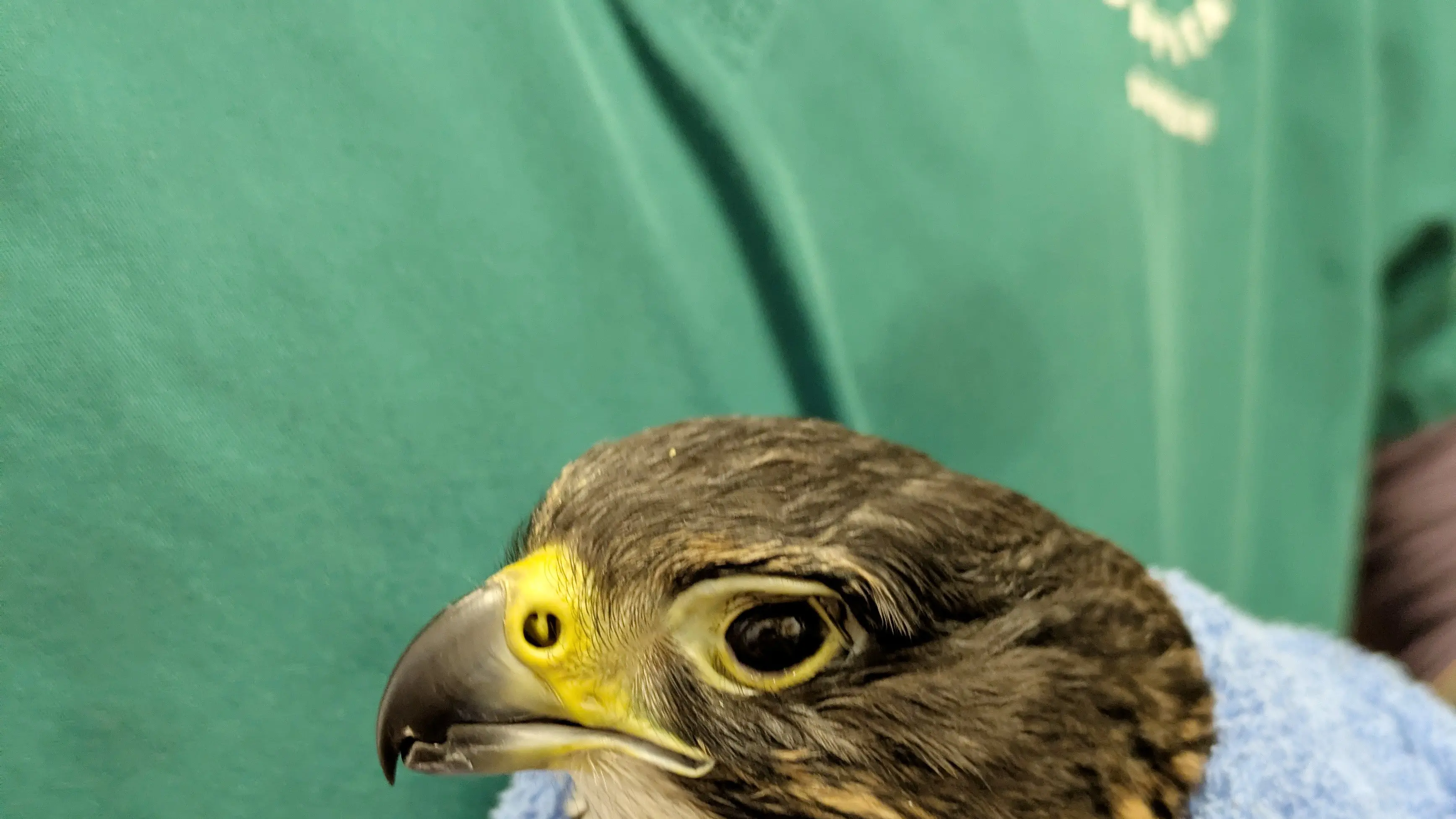
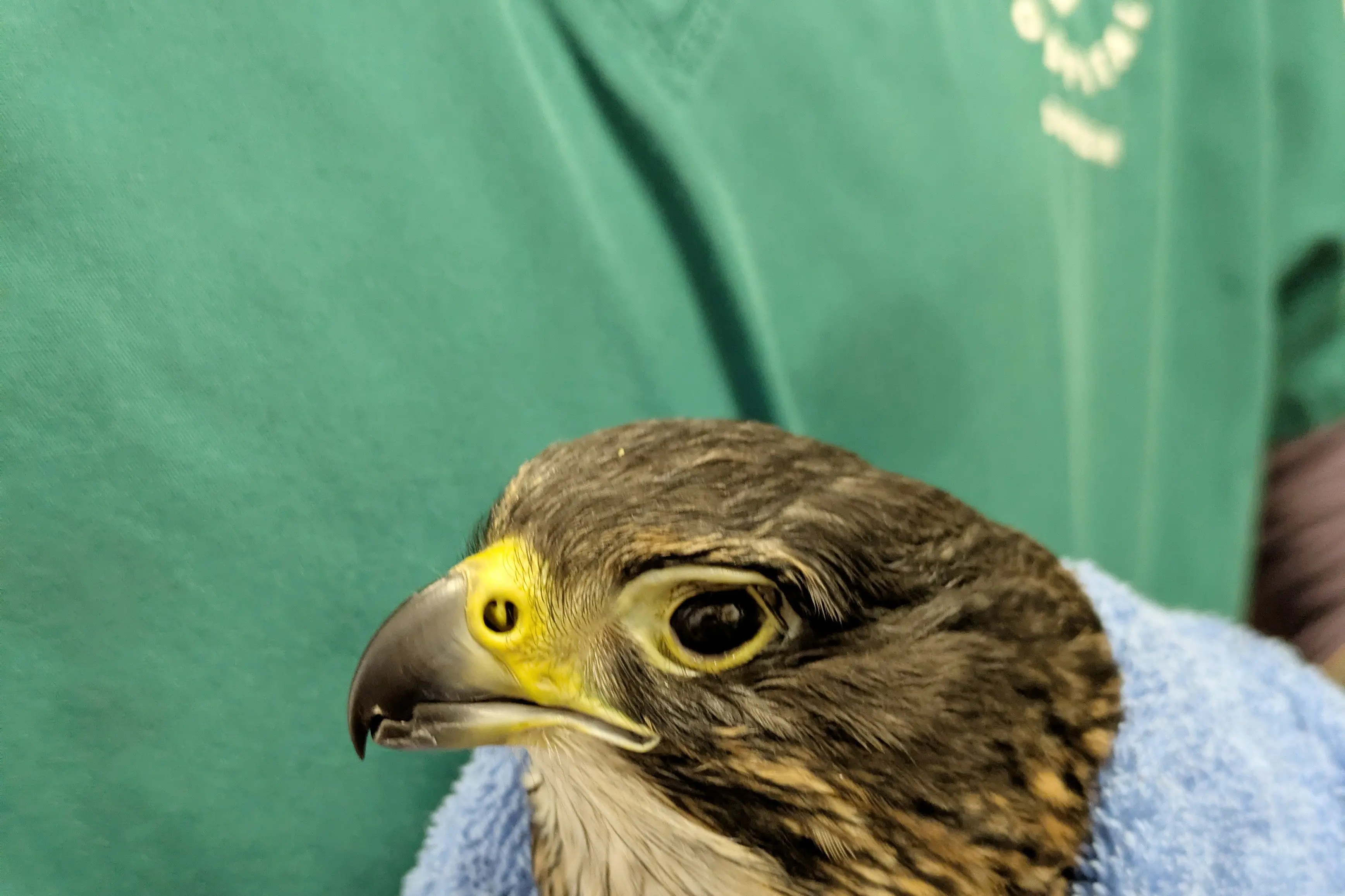
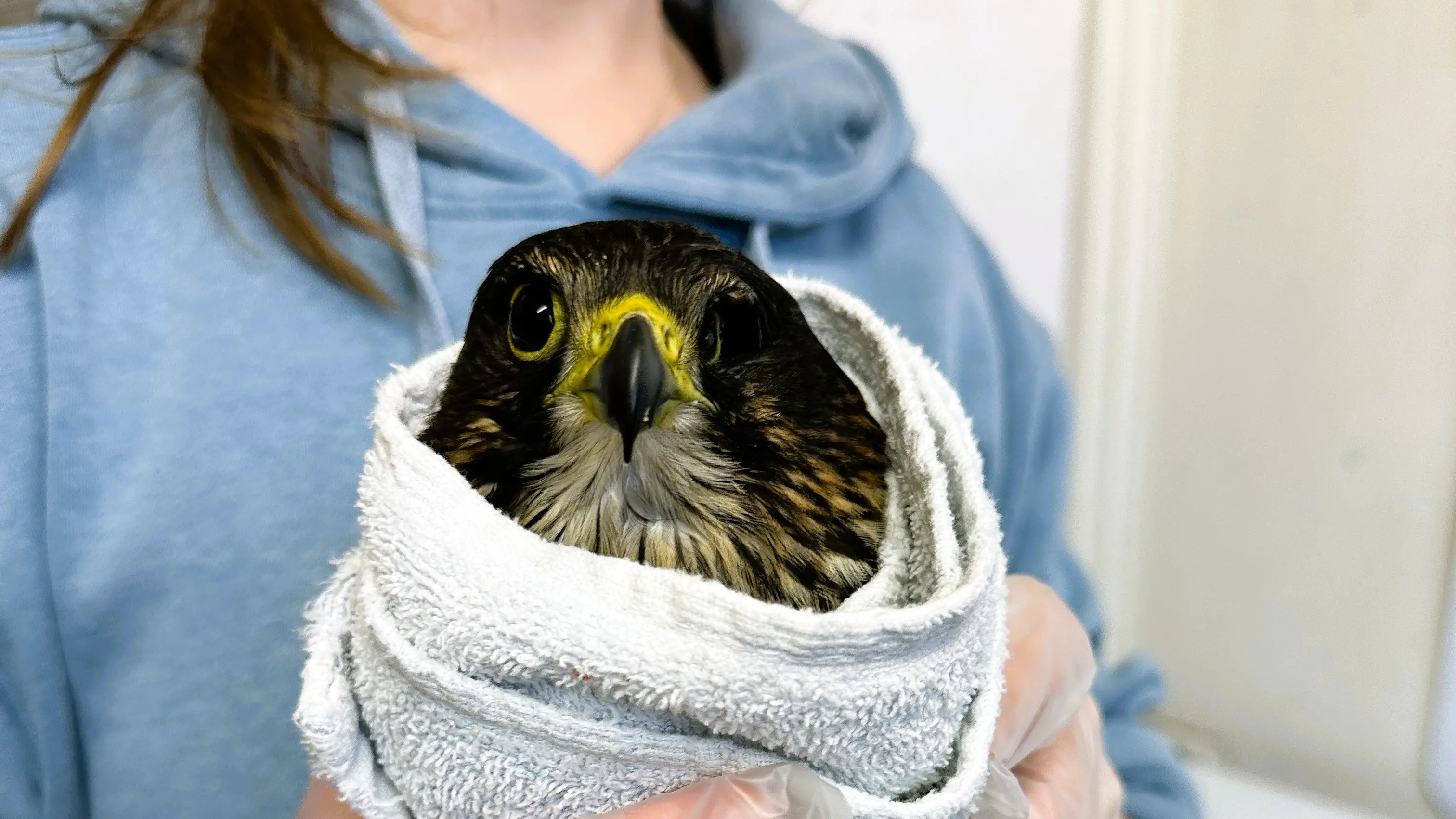
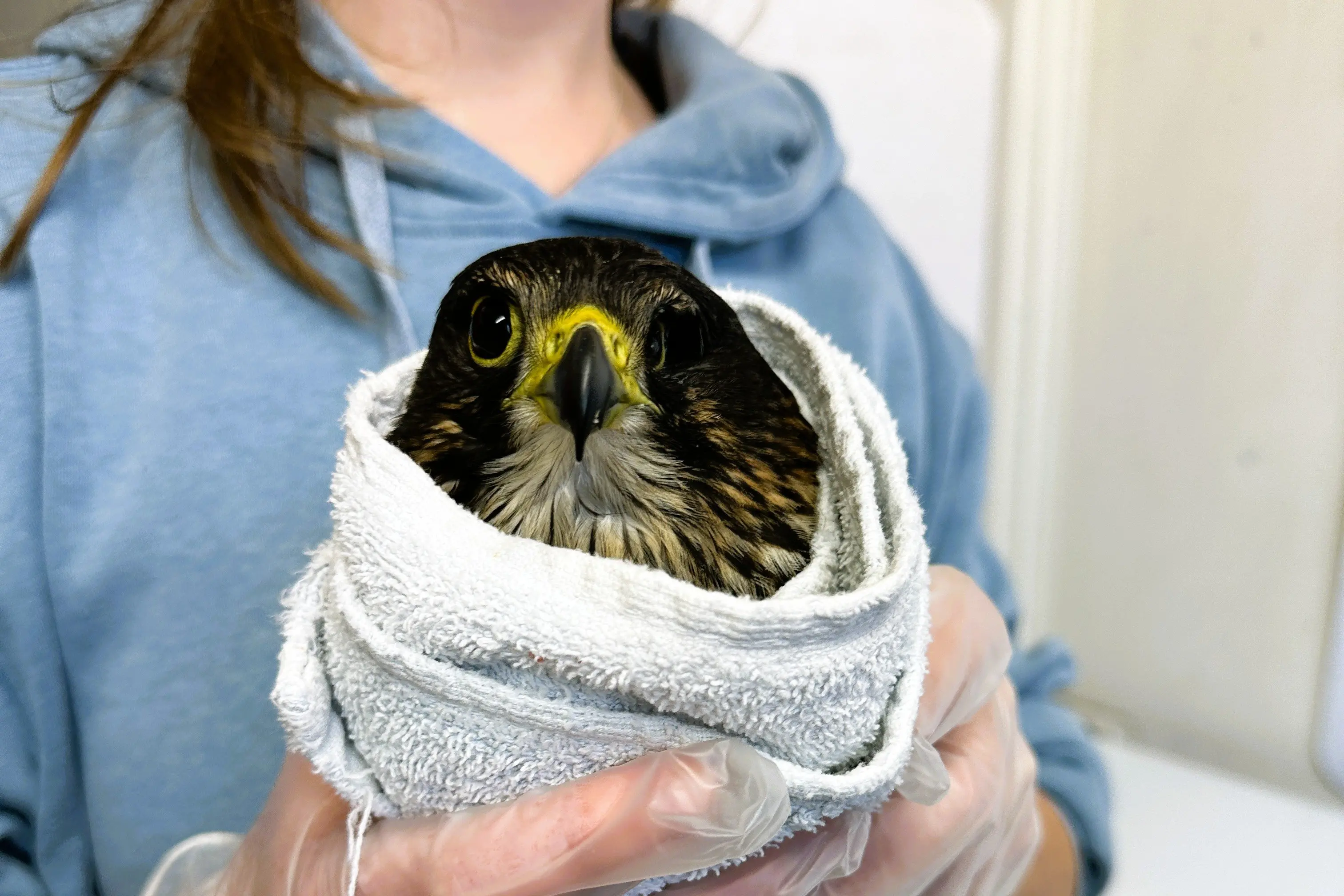
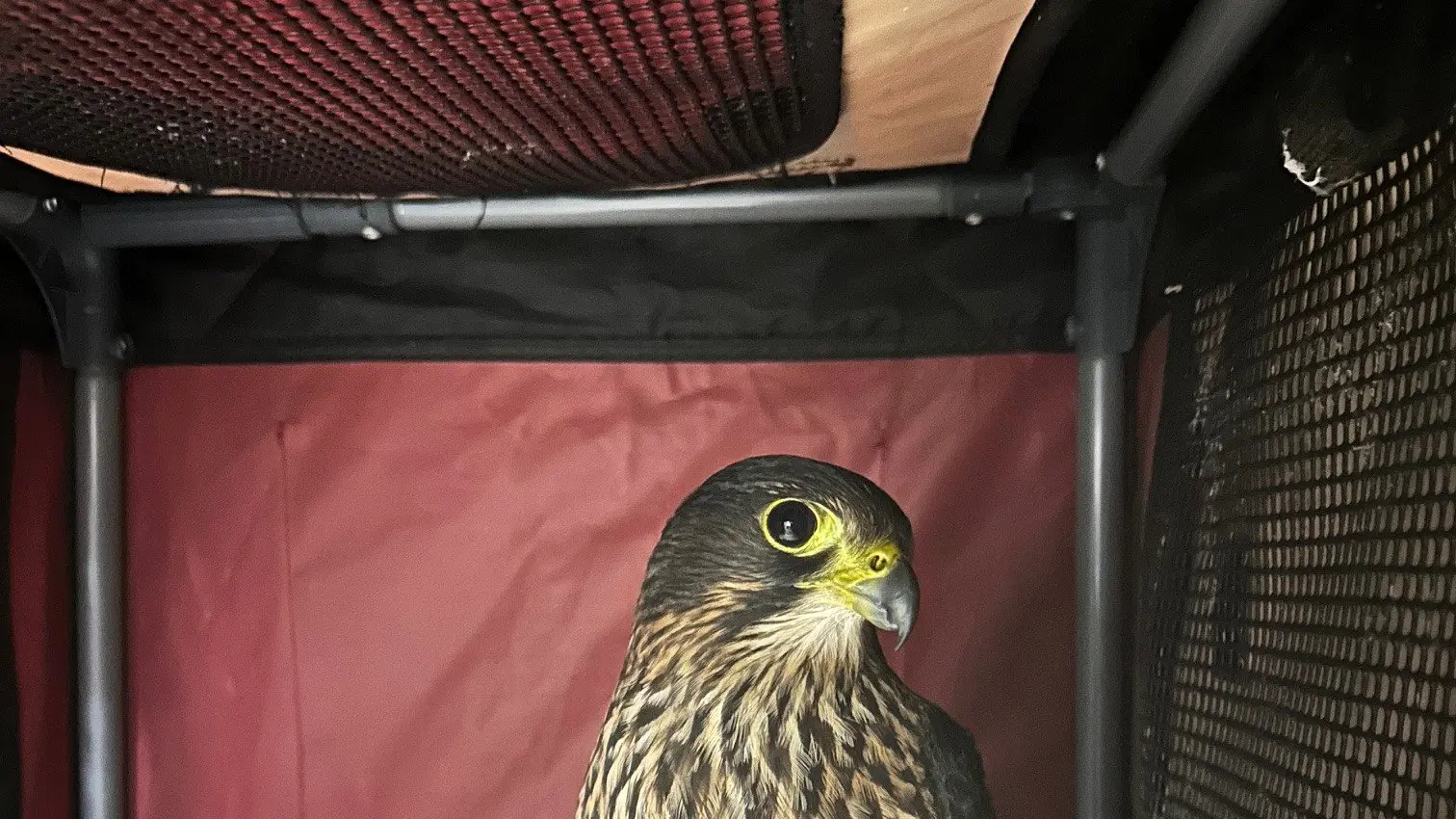
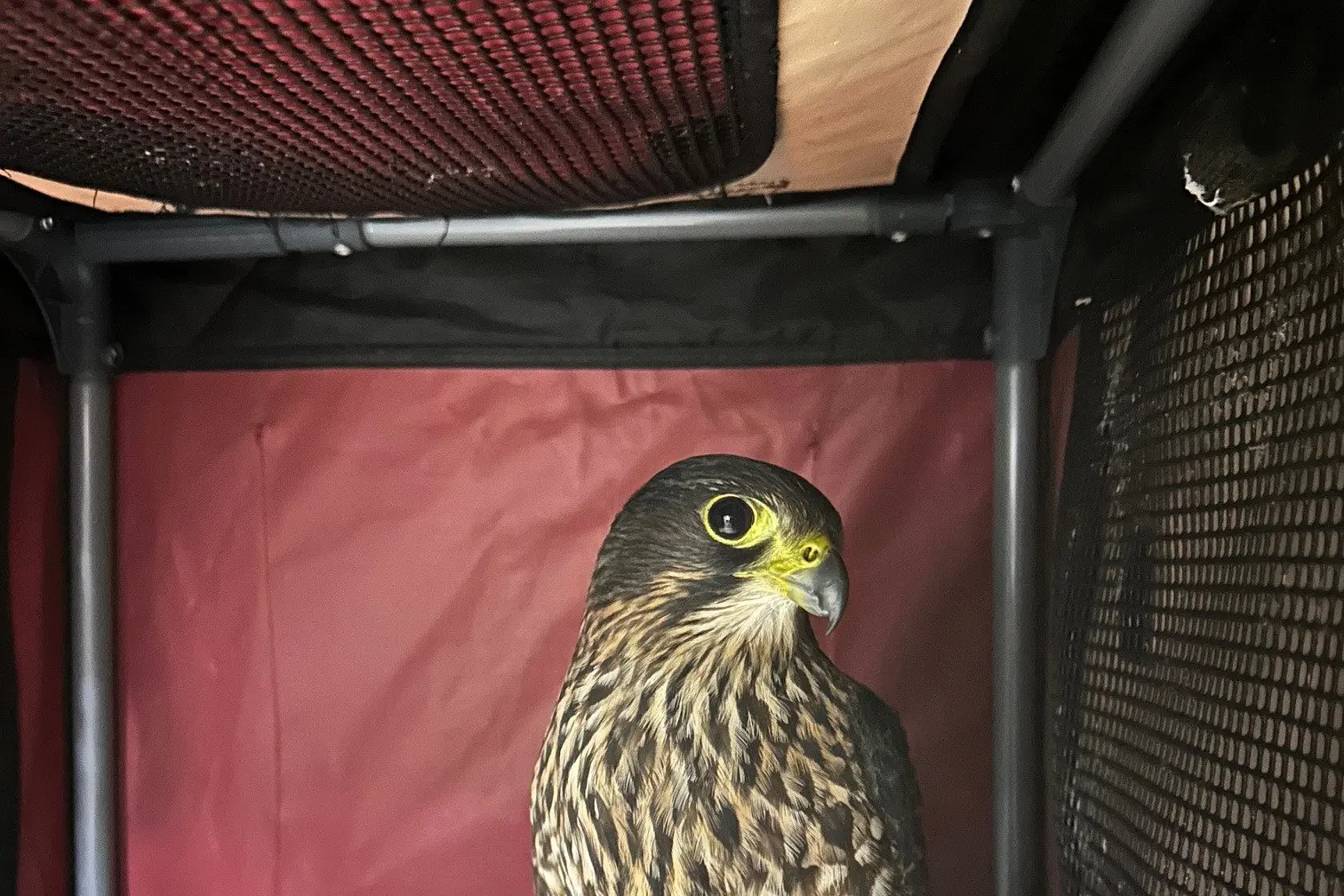
This New Zealand falcon (kārearea) was picked up injured on the side of State Highway 8 near Lake Tekapo.
PHOTOS: DEPARTMENT OF CONSERVATION. : ‘Bright future’ hope for injured falcon
This New Zealand falcon (kārearea) was picked up injured on the side of State Highway 8 near Lake Tekapo.
PHOTOS: DEPARTMENT OF CONSERVATION. : ‘Bright future’ hope for injured falcon
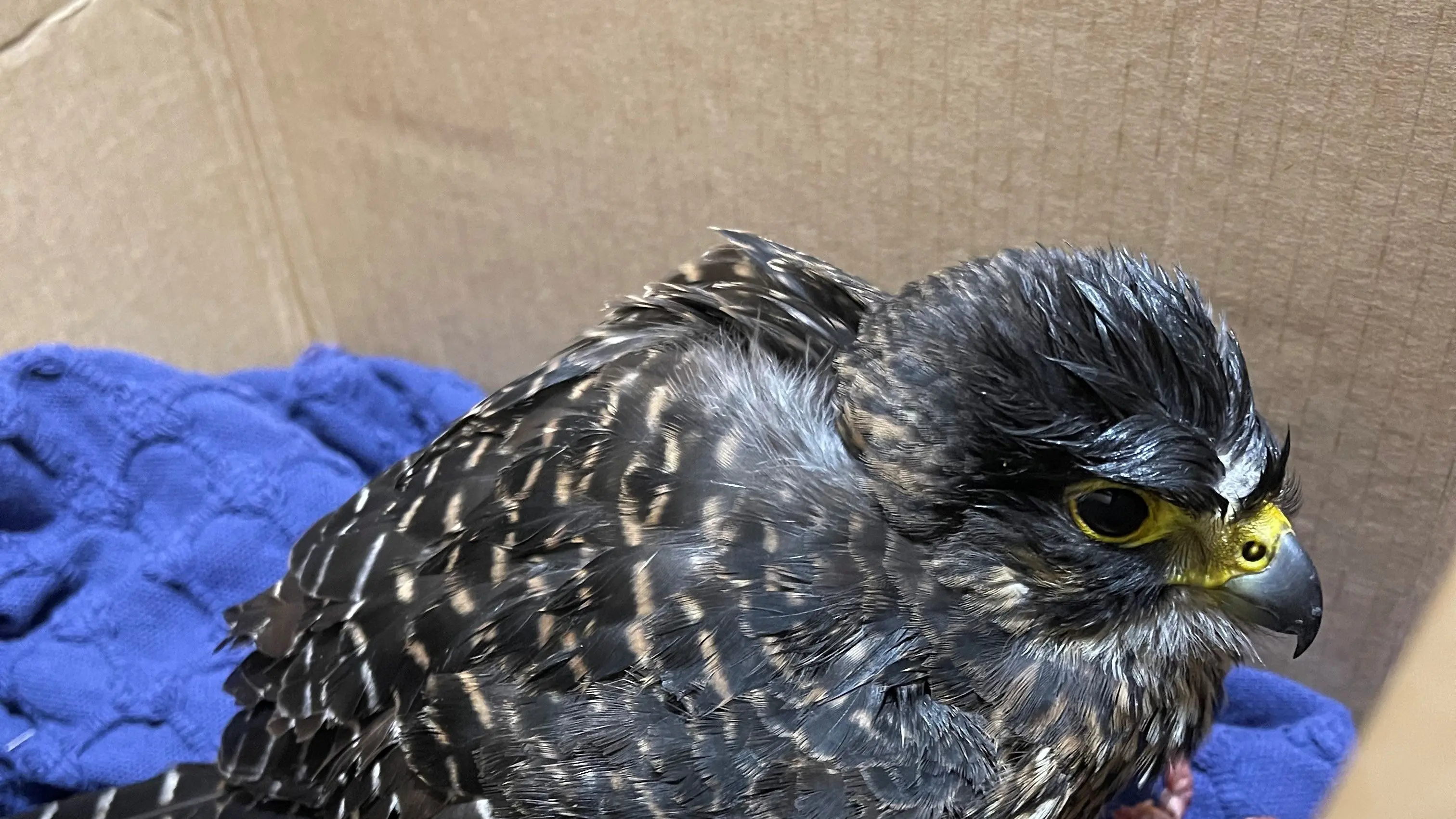
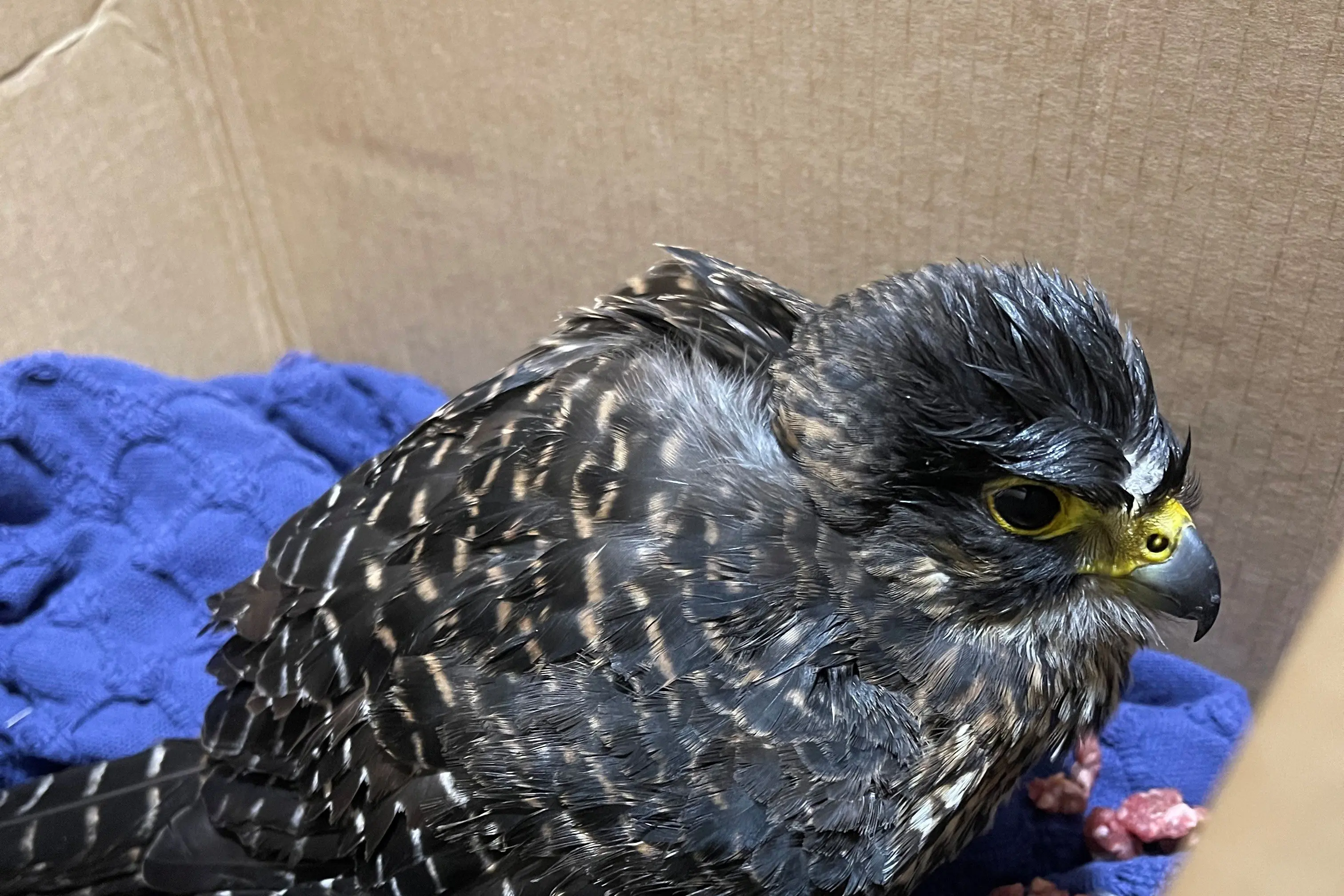
This New Zealand falcon (kārearea) was picked up injured on the side of State Highway 8 near Lake Tekapo. : ‘Bright future’ hope for injured falcon
This New Zealand falcon (kārearea) was picked up injured on the side of State Highway 8 near Lake Tekapo. : ‘Bright future’ hope for injured falcon
This New Zealand falcon (kārearea) was picked up injured on the side of State Highway 8 near Lake Tekapo. : ‘Bright future’ hope for injured falcon
This New Zealand falcon (kārearea) was picked up injured on the side of State Highway 8 near Lake Tekapo. : ‘Bright future’ hope for injured falcon
This New Zealand falcon (kārearea) was picked up injured on the side of State Highway 8 near Lake Tekapo. : ‘Bright future’ hope for injured falcon
This New Zealand falcon (kārearea) was picked up injured on the side of State Highway 8 near Lake Tekapo. : ‘Bright future’ hope for injured falcon
‘Bright future’ hope for injured falcon
An injured falcon picked up on the side of State Highway 8 near Lake Tekapo is recuperating in his new long-term home hundreds of kilometres away...