
PHOTO
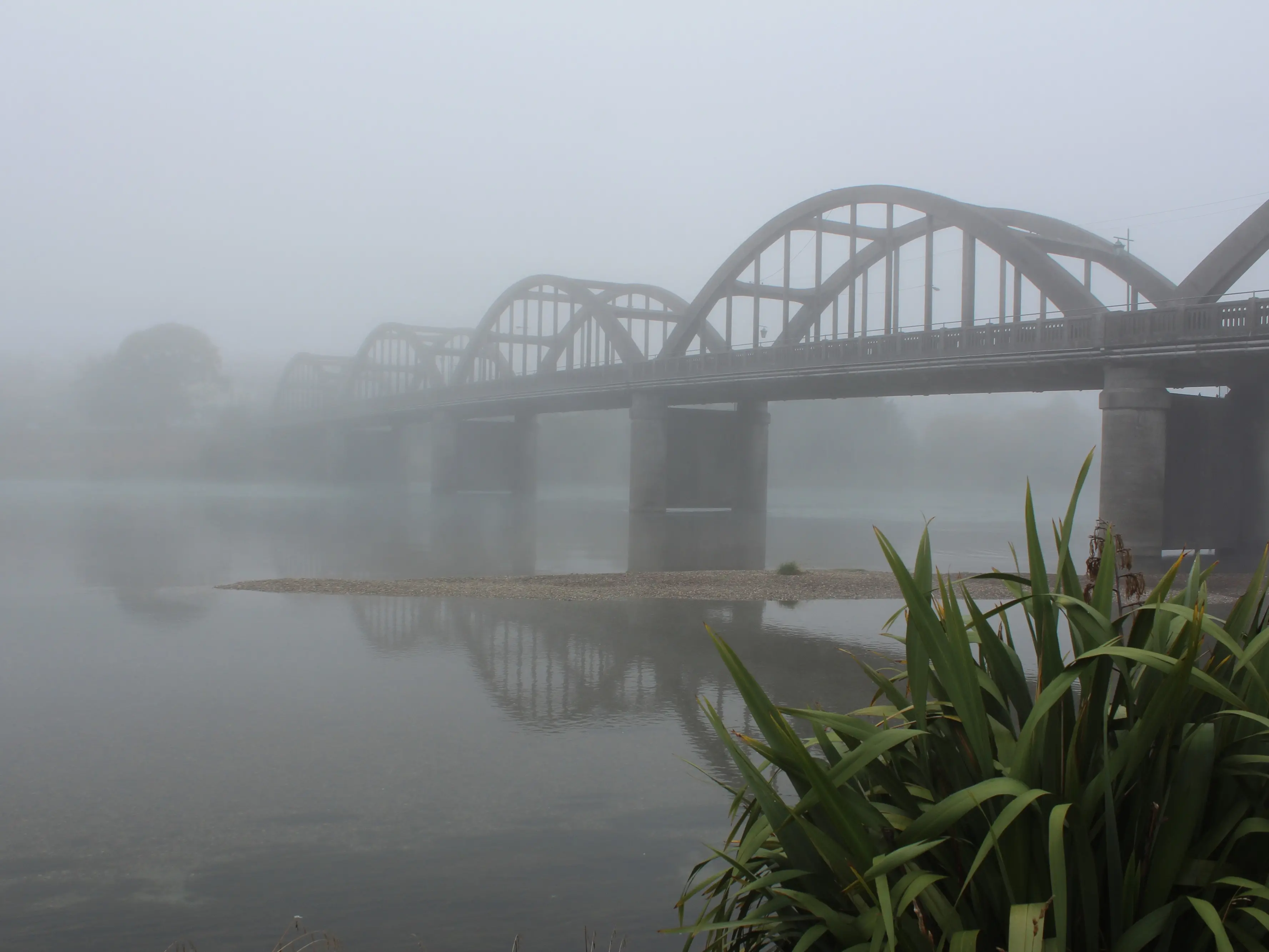
A claim ''drizzle'' may be disappearing from the South Otago weather radar has met with a storm of opinion from residents.
The claim was made by Dunedin Extinction Rebellion representative Joseph Dougherty during a presentation to the Clutha District Council last week, when he and a colleague appealed to the council to declare a ''climate emergency''.
Dunedin City and Queenstown-Lakes District councils both declared climate emergencies last month following appeals from environmental activists.
Mr Dougherty said anecdotally the incidence of drizzle had ''gone down massively'' in Dunedin and South Otago was likely to follow suit, given long-term climate predictions from the National Institute of Water and Atmospheric Research (Niwa).
Although superficially that change might be welcomed by many, for farmers and those at risk of flooding a move from gentler to more extreme weather patterns could have serious consequences, Mr Dougherty said.
''We've seen average Dunedin temperatures and sunshine hours increase consistently and significantly since 1998, and rainfall drop.
''The new pattern, which is gradually spreading southwards from further up the [South Island's] east coast, is for less drizzle, and more one-off, high energy rain events causing a drought/flooding cycle - with all that entails for both city and rural dwellers.''
Niwa meteorologist Maria Augutis confirmed the pattern Mr Dougherty described was accurate, and was likely to continue as the norm during the next 35 years.
''Niwa doesn't measure drizzle as such, but our outlook for trends until 2055 suggests an increase in weather systems approaching the South Island from the west, which will lead to more rain on the West Coast and less on the east,'' Ms Augutis said.
''So we'd expect to see fewer rain days ... and those rain days that do occur to be more extreme due to the stronger, moister fronts coming through.''
Federated Farmers Otago president Simon Davies, a Milton farmer, said the unusually mild, dry winter conditions experienced at present could be beneficial for farmers.
''The joke goes that if this is global warming, more please. I think most farmers in South Otago will be pretty happy with these sorts of winter conditions, less drizzle, milder. When the stock aren't cutting up your winter crop due to firmer conditions underfoot, you're getting better crop utilisation, say 98%, versus 80% when wet. So it could actually be advantageous.''
He did not believe recent conditions formed part of a drier trend, however.
''We haven't had a lot of drizzle lately. But it'll come.''
Lake Waihola Holiday Park owner Peter Michelle said he had noticed the camping season extending thanks to drier conditions.
''This May was one of the driest we've seen. We've had motorhomes able to drive on the grass with no trouble, and a few more campers than usual. From a commercial point of view it's very welcome.''
Lovells Flat sheep farmer Bryce Clark said he, too, was enjoying the current ''kind'' winter, but worsening drought conditions in recent summers were causing serious issues.
''We were 10% back on scanning percentages this year, and we're even thinking of irrigating a small part of the farm currently. If drizzle is what it takes to avoid drought, we welcome it.''
Although he agreed conditions had become ''milder'' in recent years, Balclutha builder Steve Verheul did not believe drizzle was likely to stop altogether in South Otago.
''When that easterly comes, you know about it soon enough. But it's still better than Auckland.''