
PHOTO
There is a certain kind of person who gets genuinely excited about manure in July, and this monthly growing guide from the Southern Lakes Kai Collective and local food growers would like to welcome you to the club, with raised beds and perennial propagation rounding out this month's advice.
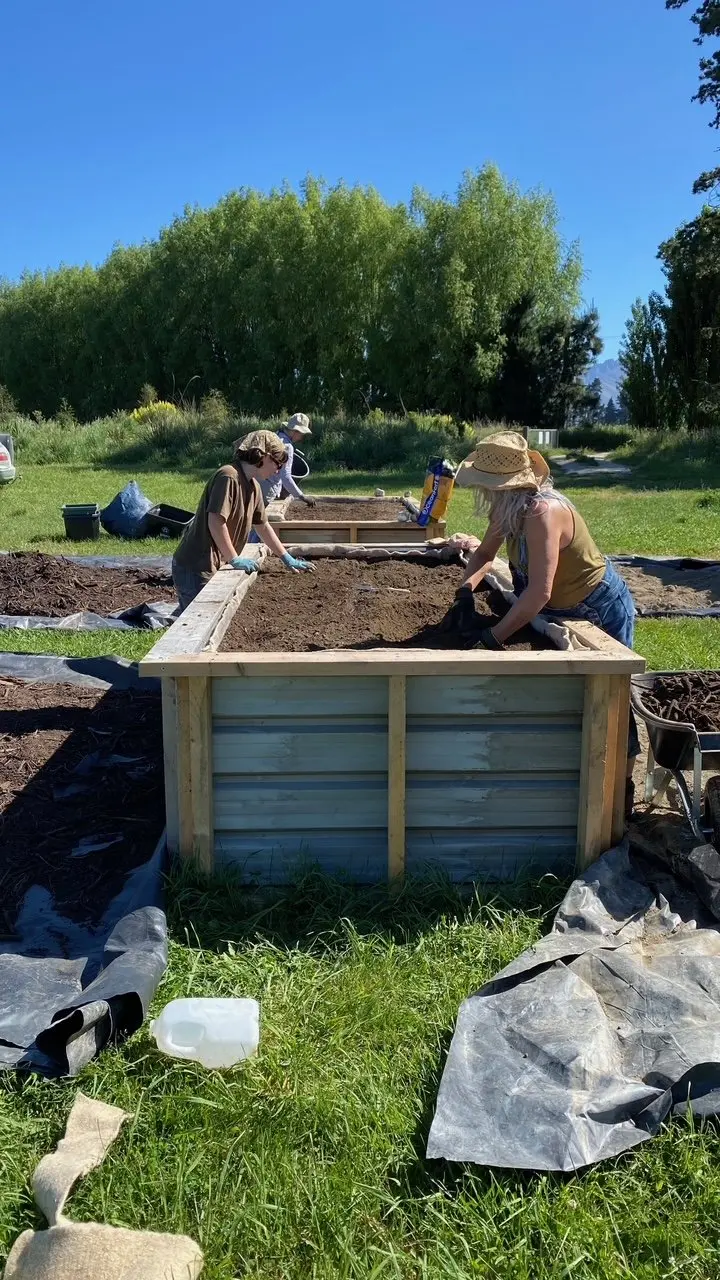
Raised beds are one of the easiest upgrades for a home garden, since they drain better, warm up faster in spring, keep weeds at bay and save your back from constant bending.
When it comes to timber, untreated macrocarpa is the best choice for Southern Lakes conditions, lasting 10 to 15 years even in soil contact, well worth seeking out over cheaper, shorter-lived options.
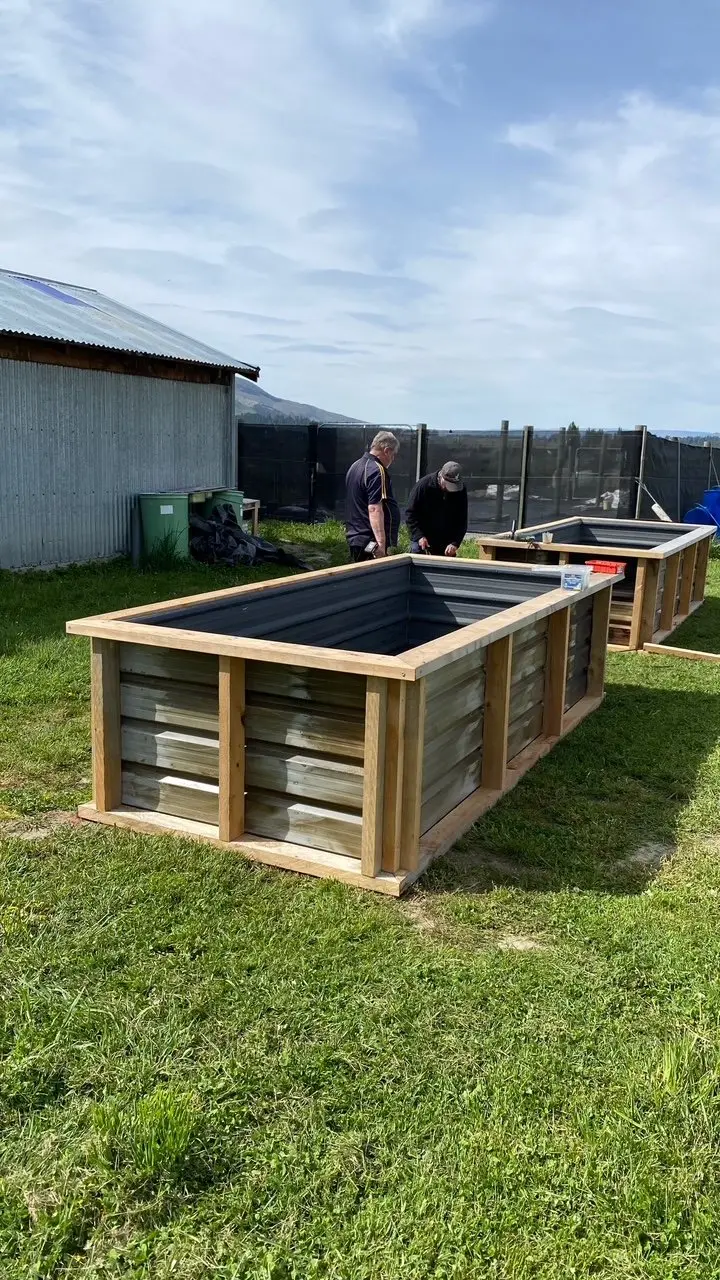
Avoid tanalised timber, since chemical preservatives used in pressure treatment can leach into the soil your vegetables grow in, and skip plastic lining for the same reason.
Corrugated iron and repurposed heat-treated pallets are both good budget-friendly alternatives, though with pallets check the stamp on the side, using only ones marked HT or KD and avoiding anything marked MB or unstamped.
With leaves down and beds being built up for spring, manure is one of the most useful materials around right now, though not all of it is ready to go straight on to the garden.
Horse manure is often loaded with weed seed, so it is best bagged up with a little moisture and left for a few months to heat up and break down, or added to your compost pile to break down further, while chicken manure is so concentrated it should always be composted first and used sparingly — both manures can go straight into a garden bed now if you are not planning to plant anything before spring.
Cow manure benefits from composting too, or can be turned into a spreadable slurry, while pelletised manures like sheep or alpaca can usually go straight on to the garden, scattered evenly rather than dumped in piles.
Winter is also a brilliant time to get perennials in the ground, and if you don't already have herbs, rhubarb or artichokes, ask around, since neighbours dividing their own plants will often have spare roots or clumps to give away.
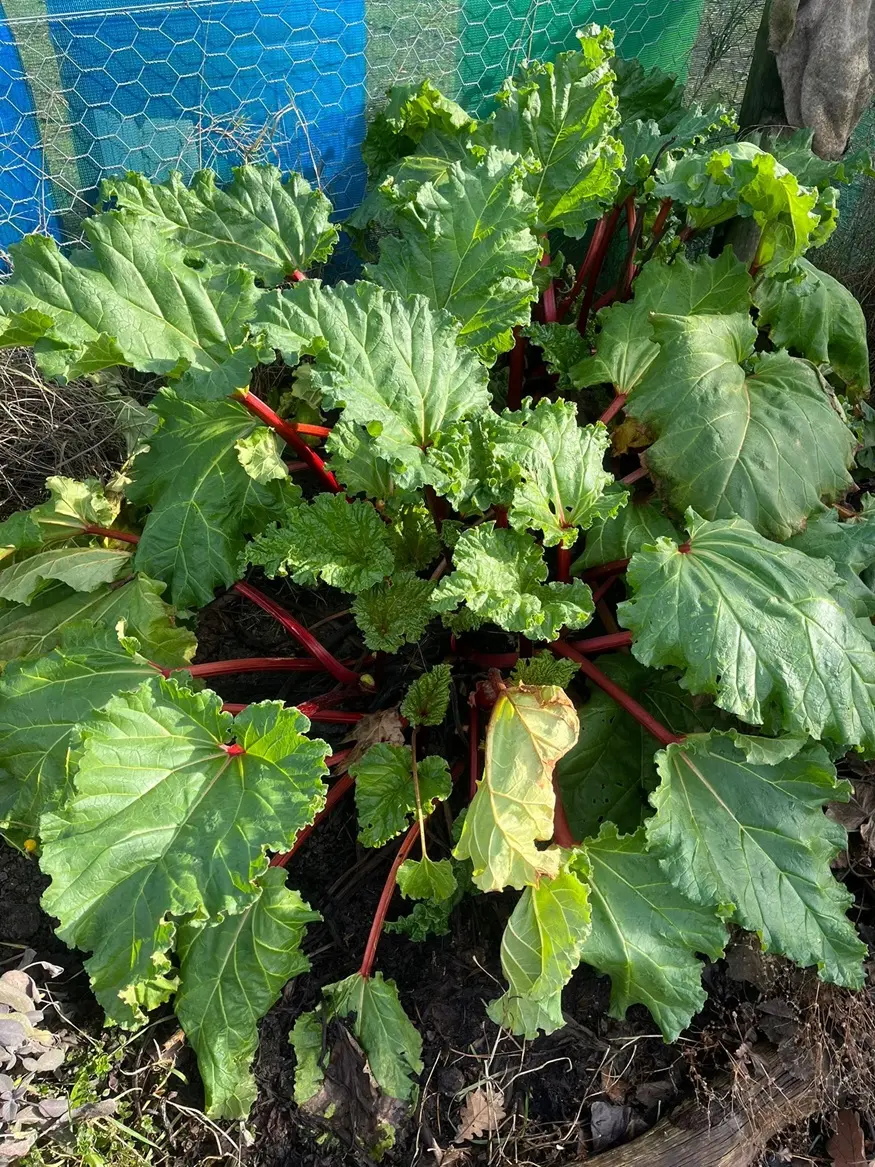
Mint, chives and other perennial herbs can be split or trimmed back now for fresh spring growth, while rhubarb can be divided while dormant, dug up and cut into sections, each with root and a bit of green, ready to replant in your garden.
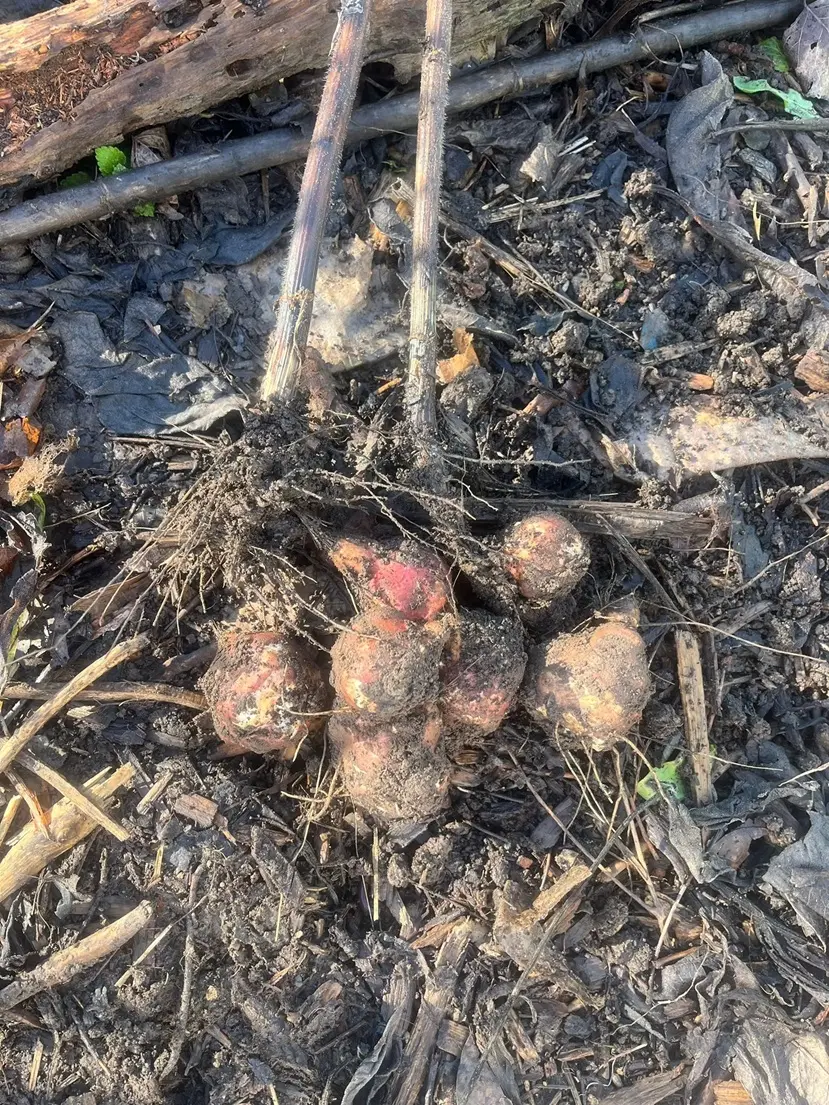
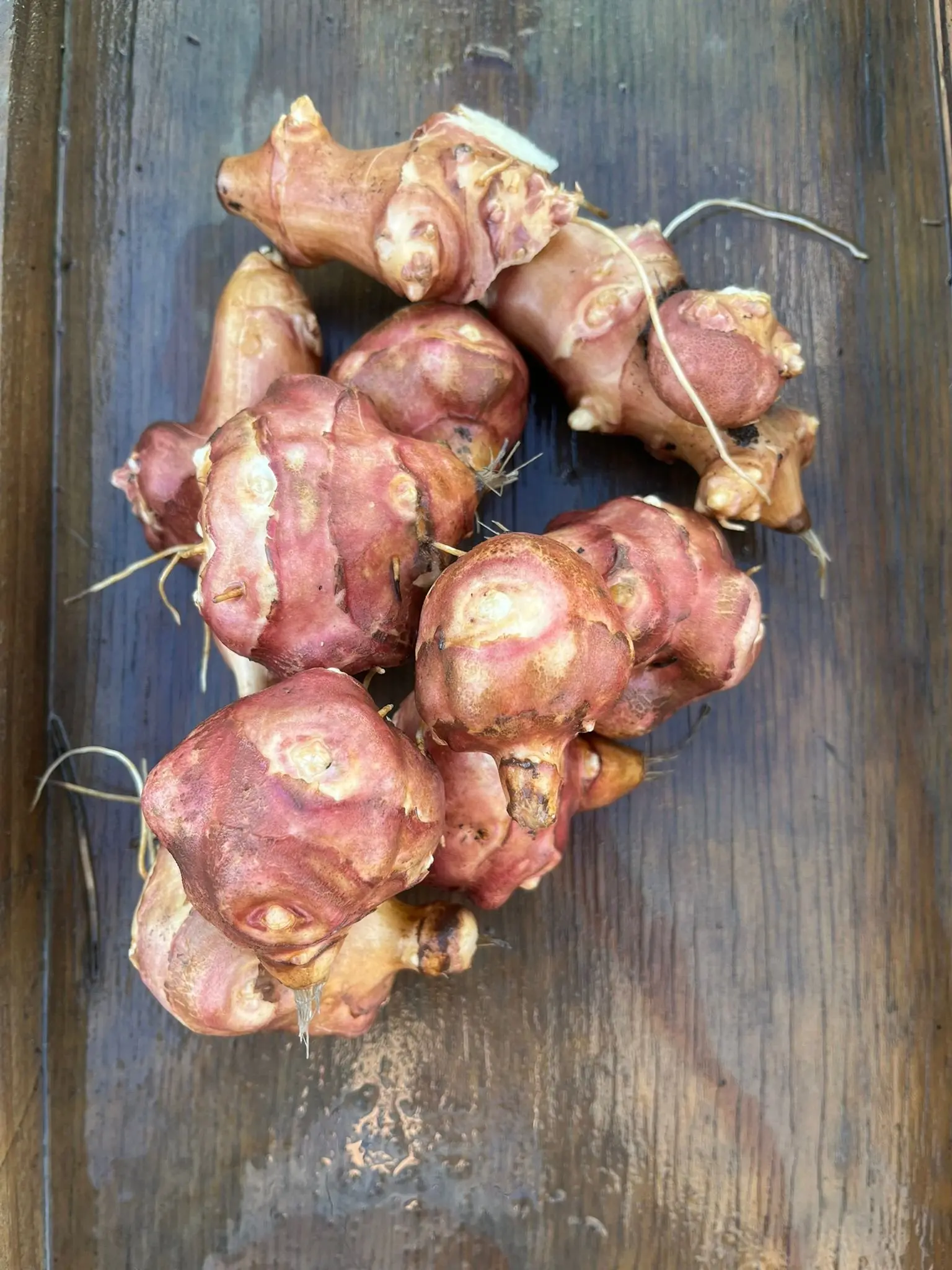
Jerusalem artichokes, delicious tubers, can be harvested right through winter once their stalks die back, and leaving the smallest tubers behind will give you next year's crop for free, but newcomers should choose their spot carefully, since any tuber left behind will resprout and these plants tend to stay put for good.
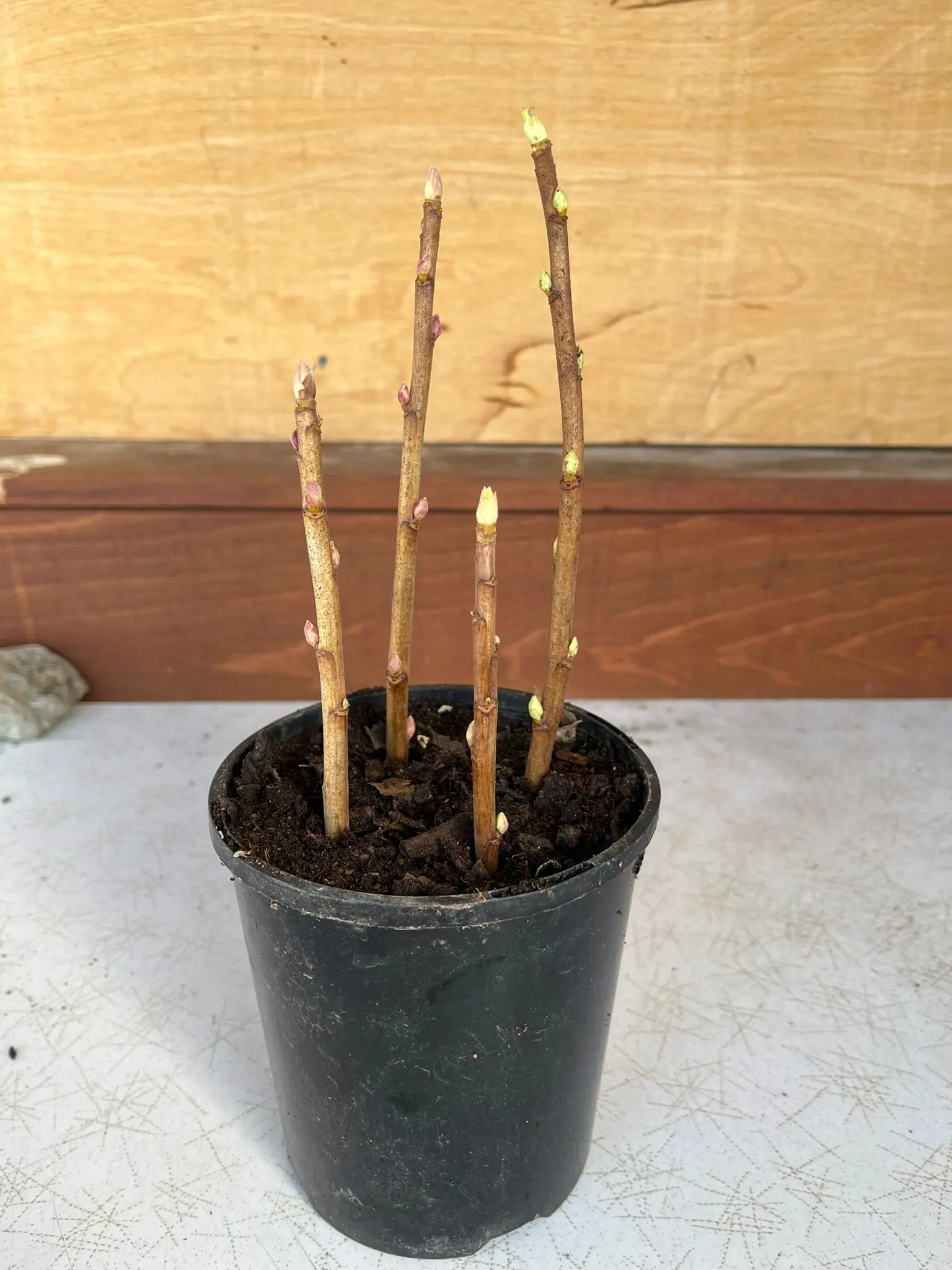
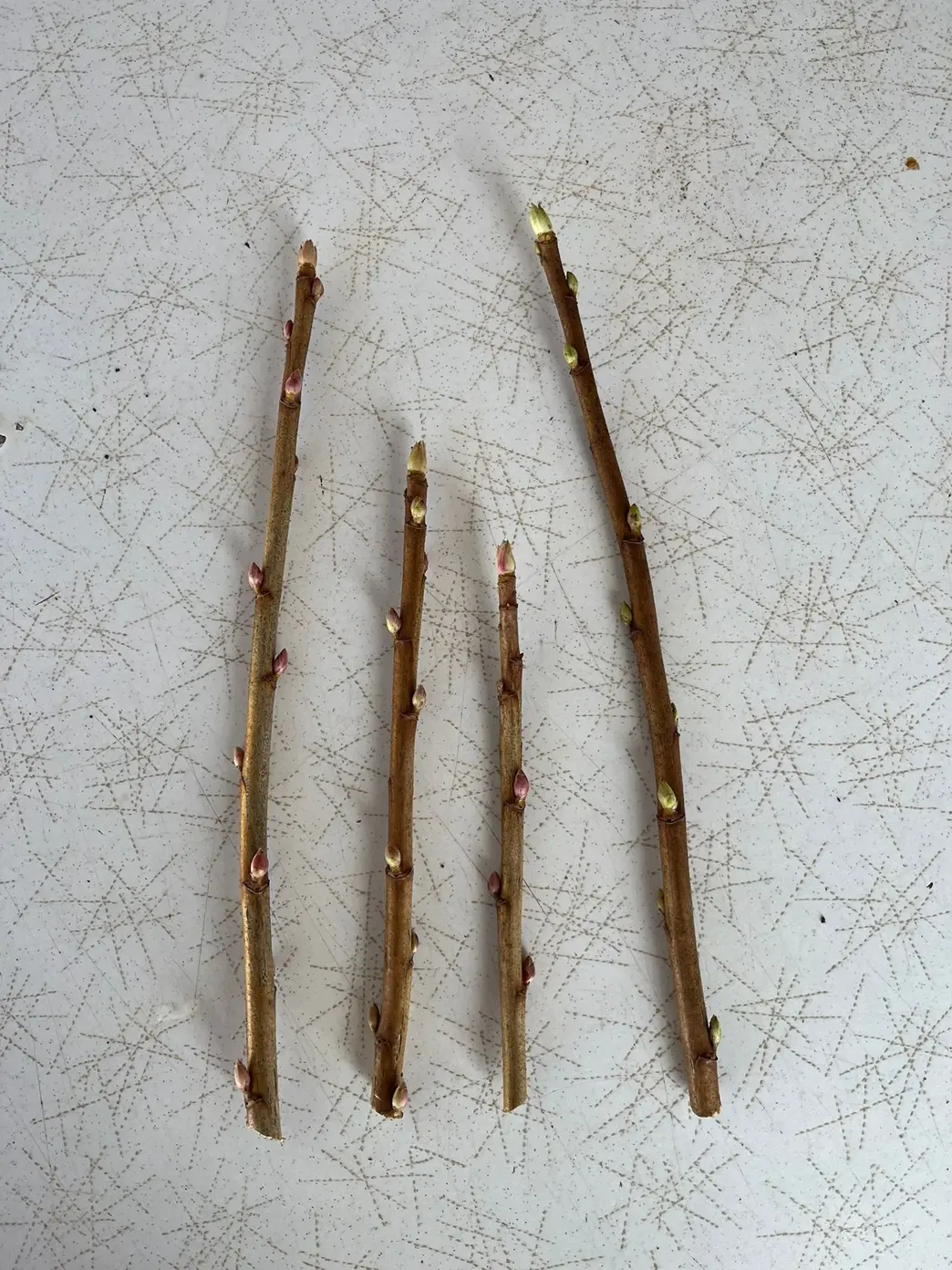
If you don't have currant bushes of your own, winter pruning is the time to ask a gardening friend for a few offcuts, since a 15 to 20 cm length of bare stem pushed into a pot of potting mix will usually root by spring.
Beyond the bed, winter is the perfect time to think about growing from seed, the cheapest way to fill a garden with varieties suited to our climate.
Key things to check on seed packets include days to harvest, germination temperature, frost hardiness and final size, all of which help you choose what will actually succeed in our shortish growing season.
Garlic, strawberries and broad beans are still going in, but everything else outdoors can wait for August's longer days.