PHOTO
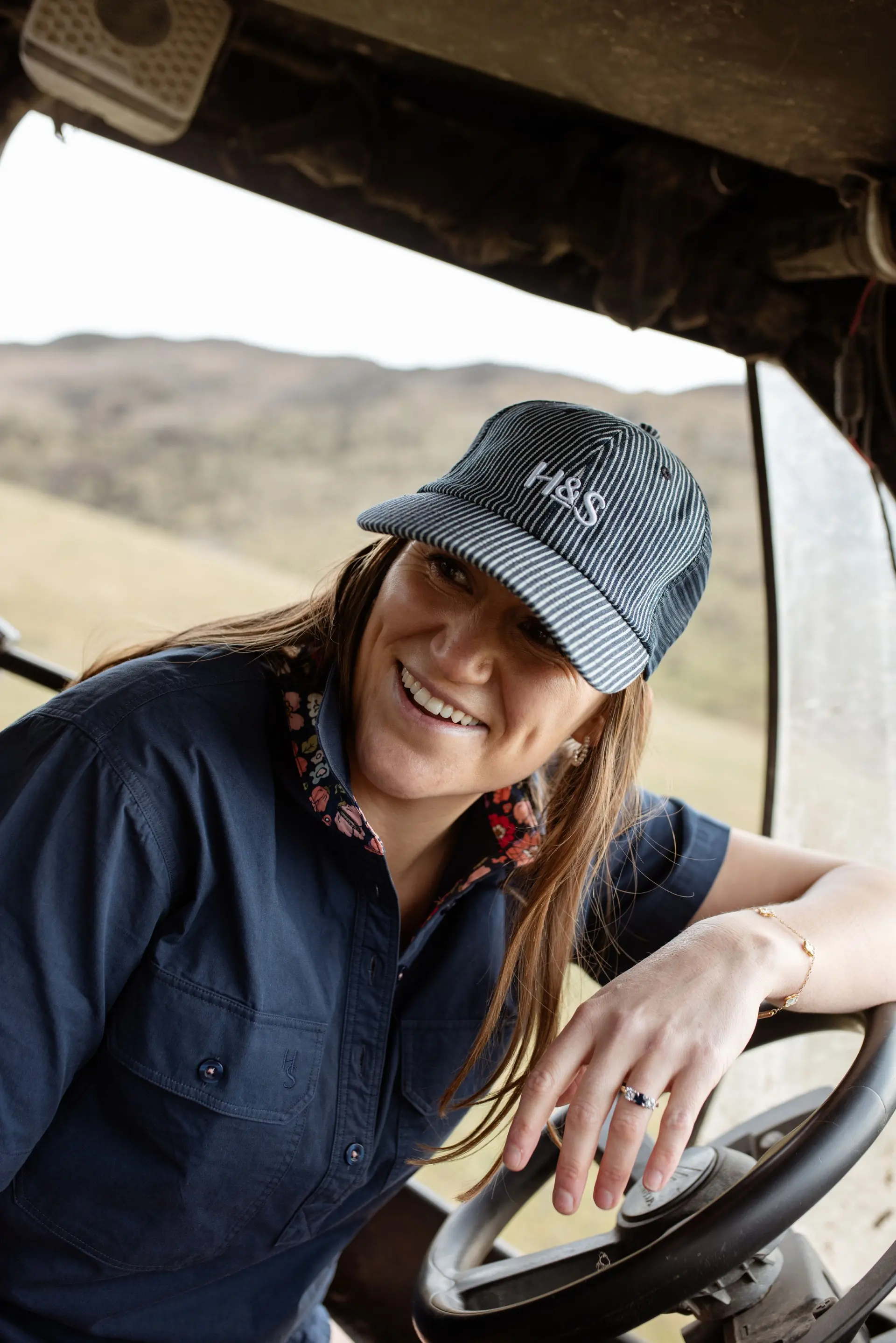
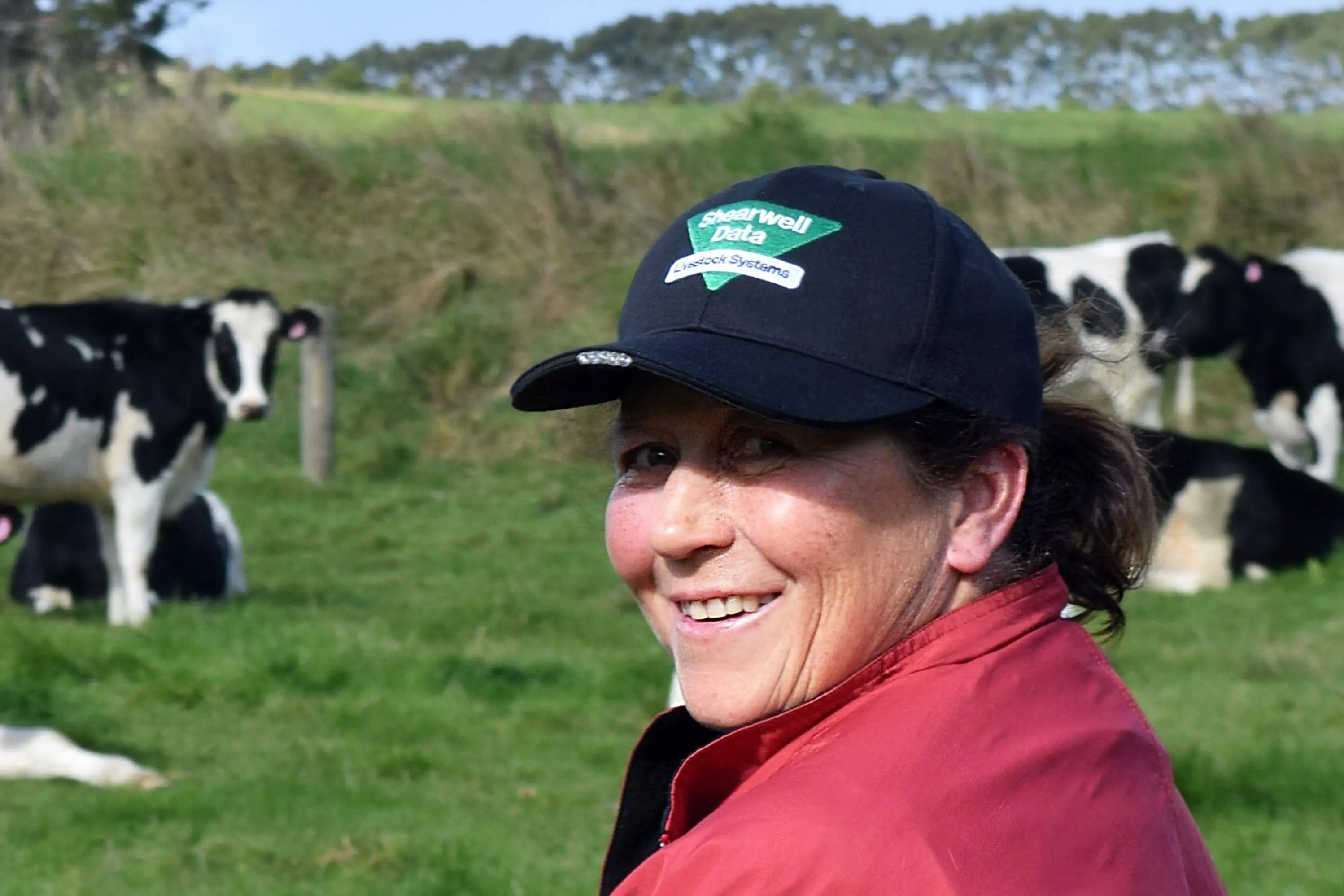
Shawn McAvinue spends five minutes talking to dairy farm owner and cattle breeder Katy Button, of Port Molyneux in the Catlins.
Q: What was your reaction to the Speckle Park and Holstein Friesian cross heifer you and your husband Tim entered in the Otago and Southland Hoof and Hook Beef Competition winning the prizes for best marbled carcass and best on fork?
It was a bit of a surprise. The best on fork has to be the best prize doesn’t it? It is the most important one.
Q: Did the same carcass win both prizes?
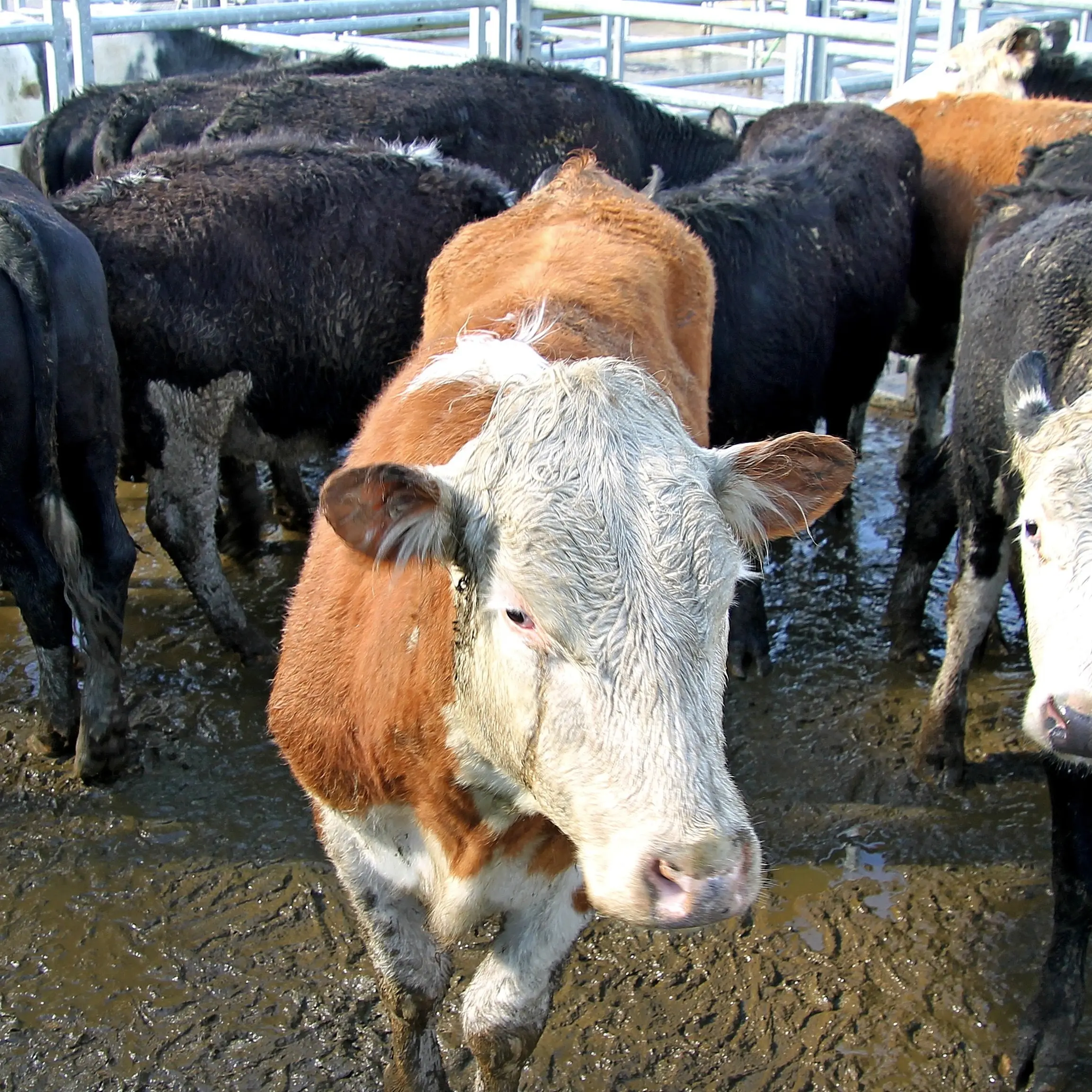
We only entered one animal, a heifer. Heifers, on the whole, are good eating quality. She was Speckle Park, out of a dairy cow, which shows you dairy-beef can be pretty good.
Q: Was she out of a Holstein Friesian cow?
Yup, one of our black-and-white milking cows. We use Speckle Park bulls after we have finished AI [artificial insemination with dairy genetics].
Q: What do you say to the sentiment dairy-beef doesn’t taste as good as straight beef?
Nah, she was 100% grass reared and the Speckle Park is known for its marbling. Speckle Park is made up of Angus, Shorthorn and British White Park — good native breeds that produce good beef. You [dairy farmers] can add value to your herd if you can produce good quality beef calves, as well as your own replacements.
Q: What about the criticism of dairy-beef fat being yellower than the whiter fat on meat produced by straight beef breeds?
You will get that if they have Jersey [genetics] in them but a Jersey still cooks and eats nice. People just aren’t used to seeing yellow fat and need educating because they have got used to seeing red meat and white fat in a packet and they might think yellow fat means it has gone off, when it hasn’t because different breeds give you different colouring. I know of Jersey-cross animals that have won beef eating competitions.
Q: This is your first season for a long time, where you won’t be milking a herd, after putting 50:50 sharemilkers on your farm. How is your new chapter going so far?
We are supporting them and it is all starting to kick-off around the milking. The better they do, the better for the business overall and both of us. We still have our young stock coming through so we’ve been moving fences. We are adjusting, it is new but we knew it was time to slow down. We are learning to appreciate weekends a bit more and I’m getting out on my horses and Tim’s back playing football. Your body adjusts when you’re not having to run around the same and now we are on hand to support other people.
Q: Do you have any animals calving now?
We have cows but somebody else is going to calve them. We have leased our beef herd out. That is a new venture, supporting someone else because we haven’t got quite enough land, we need to find a farm. We’ve leased land but it is not quite enough for what we want to do.
Q: Are you searching for a farm to buy in the Catlins?
We like this area. It is home and if we buy something, it can support the dairy farm because trucking is costing more. Any time you put something on a truck, be it feed or cows, it is costing more than what it did so if you can reduce that and support the business overall, it has got to be good.