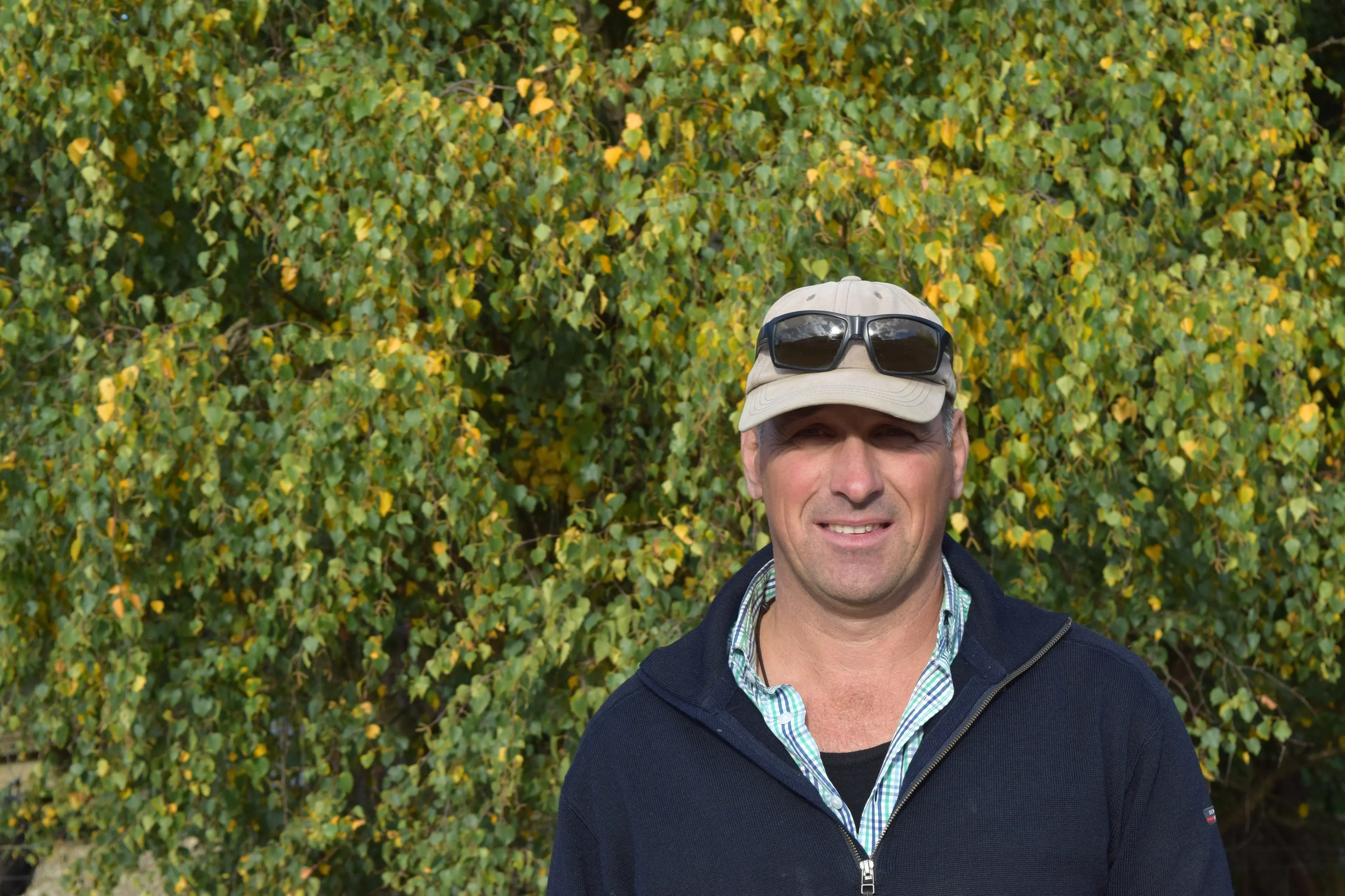
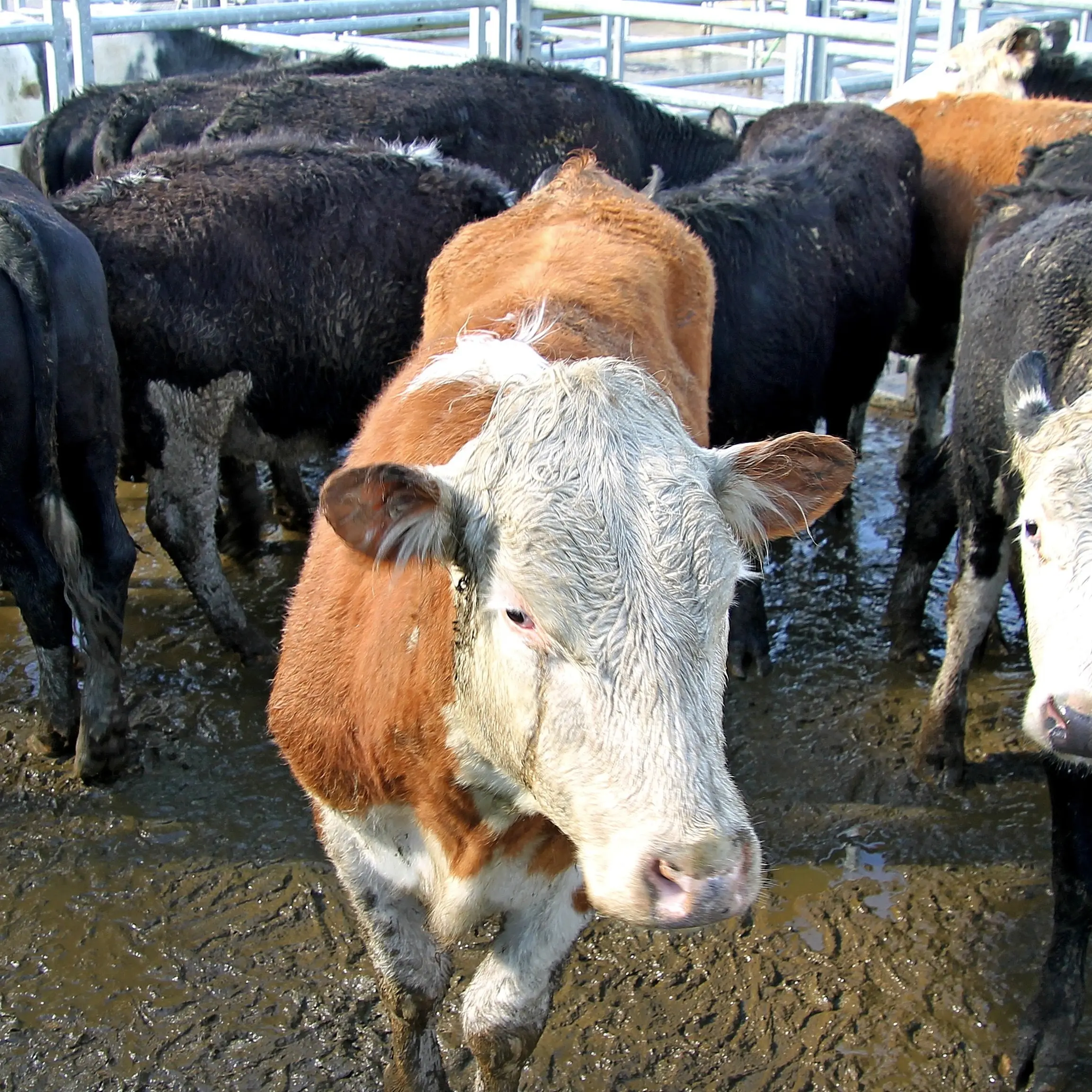
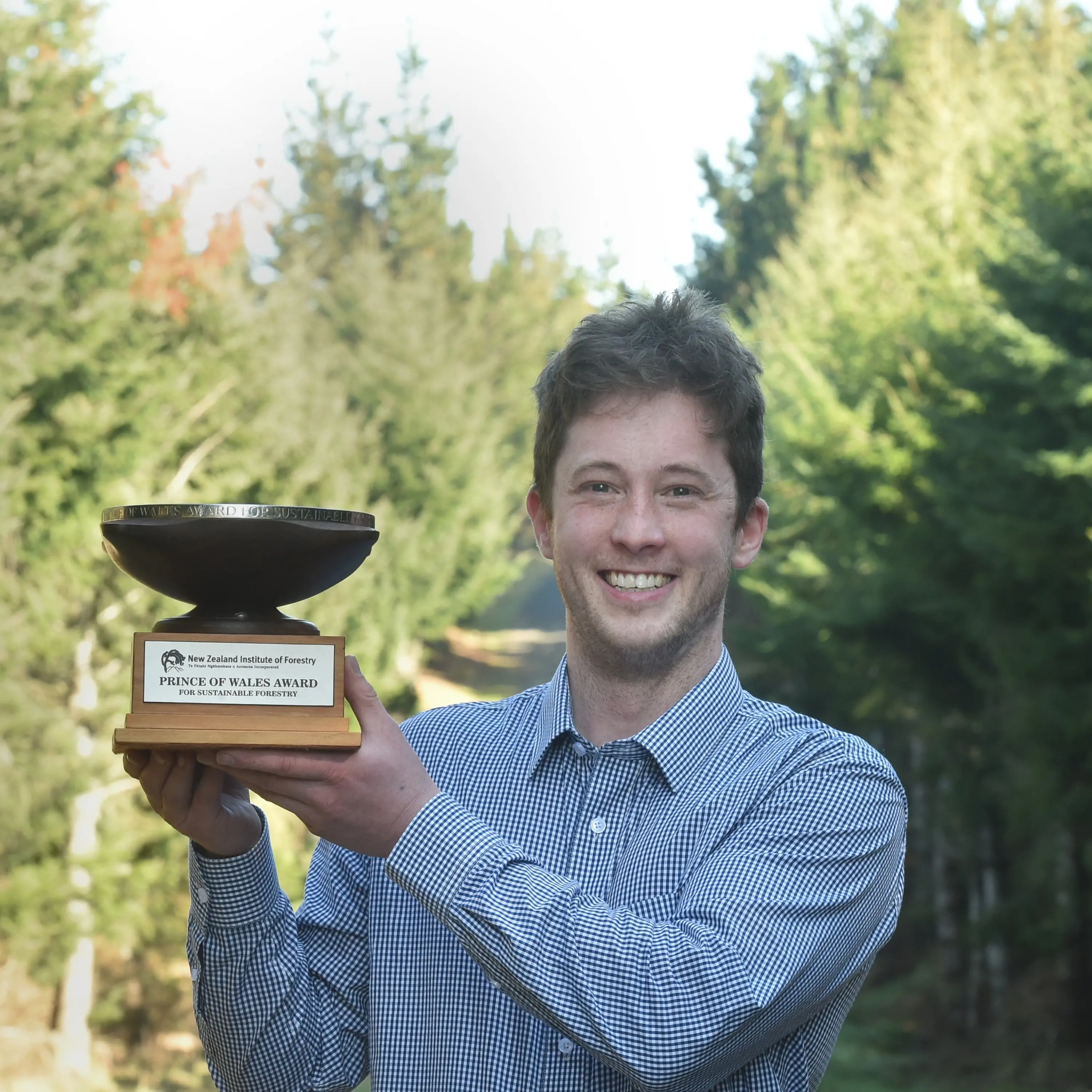
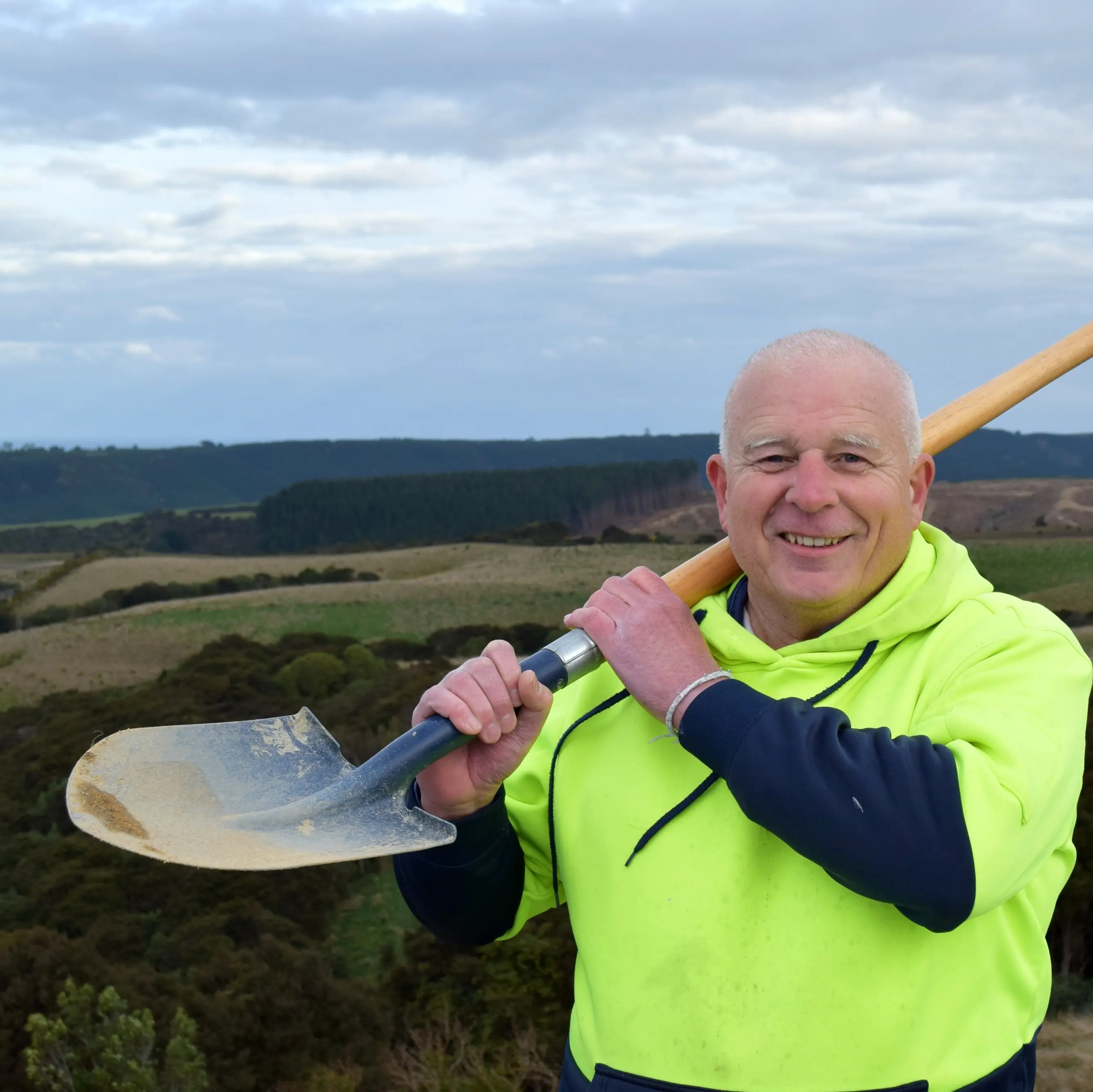
Attracting, developing and retaining good people and building a strong team is satisfying, a high-country station boss in Northern Southland says. As part of a Beef + Lamb New Zealand webinar series, Glenaray Station general manager Simon Lee spoke about the 21 staff on the 68,000ha sheep, beef and deer property near Waikaia. “I love working with my people.” About 90,000 stock units on the station were 45,500 sheep, 4200 cattle and 9000 deer. He praised the great area and community in Waikaia including pub, school, rugby and squash club and fishing and hunting opportunities. “The area is a selling point for attracting staff.” SHAWN MCAVINUEEntrance to Glenaray Station. Photo: Shawn McAvinue Nineteen of the staff, including a full-time cook, live on the station including nine in singles quarters. A challenge was most of the staff living on farm. “You are living and breathing it, so work-life balance is massive.” Another way to attract good people was to have an existing great team. Word of a bad workplace culture spreads quickly, so it was important to employ people who fit in a team and have a good attitude and were eager for personal development. Often work days could be long, such as tailing and weaning, so he was “big on give-and-take” and allowing staff to knock off early when possible to go to a bank or attend a dog trial, rather than needing to take leave. The give-and-take showed how much their work during busy periods was appreciated. SHAWN MCAVINUESheep wait to be shorn on Glenaray Station in Waikaia. Photo: Shawn McAvinue He ensured the living quarters, plant and health and safety protocols were at a high level to show his staff how much they were valued. Inclusiveness was a huge part of the team culture. “Share the highs and lows.” The highs have included a successful hind scanning and a low was falling commodity price. He earned the respect of his staff by shearing sheep or drenching lambs with them. “Be beside them and not above them or below them.” Every staff member was accountable for their actions, which helped create a strong team culture. “It might be something as simple as a drench gun not being washed out and hung up in its right place.” SHAWN MCAVINUENew cattle yards on Glenaray Station in Northern Southland. Photo: Shawn McAvinue Empathy was a massive part of being a boss and asking what the staff did on the weekend and how their families were. Mistakes he had made managing staff include “reading people wrong” in job interviews and not acting quickly enough when a staff member was impacting on team culture. His key advice was to communicate effectively and be organised. Training staff was a massive part of the business. “The return we get is great.” He got satisfaction from seeing a staff member develop and excel in the industry. “I get a kick out of seeing how they progress.” SUPPLIEDLone Star Farms general manager Matt Smith. Photo: Supplied Another webinar speaker was Lonestar Farms general manager Matt Smith. Mr Smith leads a team of 32 staff including those in the head office in Nelson. Lonestar Farms runs five sheep and beef properties in the South Island, running about 90,000 stock units. The properties including The Wandle near Middlemarch, Barewood Station near Outram and Caberfeidh Station near Kurow. Caberfeidh Station had between 11 and 13 staff, The Wandle and Barewood Station both had seven staff. “A big focus for our business is people. It is part of our vision and part of our purpose. We spend a lot of time and effort developing our team and that’s right though from shepherds to managers.” Spending money on staff was an investment rather than a cost, he said. The business attracted good people by being clear on what they were looking for and including those details in a job advert. The advertising also promotes the farm and community, such as sporting and Young Farmers clubs, outdoor activities, housing and schools. Existing staff were encouraged to promote the vacant role. A major focus of the recruitment process was finding if a person’s goals and ambitions would fit in a big team. “If they’ve got the right attitude you can teach all the technical side.” If a person called to talk about the job, it showed they were keen and interested. During the recruitment process, an existing co-worker was encouraged to show the interviewee the property, as it was more relaxing than being shown around by a boss. “They open up a bit more.” An interviewee was welcome to ask any questions about the workplace. “We have a policy that no question is off the table, we are open and honest.” SHAWN MCAVINUESheep on The Wandle in Middlemarch. Photo: Shawn McAvinue Sometimes a potential recruit wants to have a big team of dogs and chase sheep all day and might not be the right fit for the team, he said. Upfront conversations about what they want from the role, avoids wasting anyone’s time. He believed if a right person to fill the vacancy could not be found, then casual staff should be hired, rather than employing the wrong person. “It will cost you a bit of money in the short term but if you can’t find the right person, don’t just employ anyone.” Employing the wrong person could destroy a strong team culture. “If you do end up in that situation, which I’ve been in many times, use the resources you’ve got.” Resources include a 90-day trial period and seeking good clear advice from outside the company on available options. “Get that advice at the start — it can save you a lot of heartache through the process.” Any incidents and conversations should be recorded and dated to help with the process. “If you are unsure of a person, have those conversations early and if you need to do some form of exit, make sure everyone leaves with their heads held high.” A person’s values must fit those of the companies. “Nine times out of 10 your gut will tell you if you are on the right path or not.” Clarity on expectations of staff was key, he said. Staff wanted to be part of something that adds value to their lives. Salaries were benchmarked against other industries to help retain staff. All staff up to stock manager level were paid overtime if they worked more than 45 hours a week. SHAWN MCAVINUECattle on Barewood Station near Outram. Photo: Shawn McAvinue If a staff member was performing in the business, then managers would “front foot” talks of a pay rise, which helped staff feel appreciated. Team bonuses were paid if the business had a good financial performance. A thank you went a long way and if staff were allowed to finish work early, it should be explained why. “Go a bit deeper and explain the impact for you or the business, so they understand why you’re doing it. That appreciation goes a long way.” The business spent a lot of time creating a strong team culture. “Money’s not everything. They have to enjoy what they’re doing and where they live and a lot of it comes back to a strong team culture, trust, shared values and a big one for us is celebrating the wins.” Team bonding sessions including staff across the business and their partners were held in places such as Queenstown to celebrate wins and explain the direction of the company. “There is work stuff involved but it is very much a time to enjoy the successes.” Awards were given to staff. The business had a culture where people were encouraged to share ideas and contribute to decision making and reflect as a team on how a process went, such as weaning. Keeping people invested in a business was hard. “We are still learning and changing things.” Developing a strong team was always an ongoing process, he said. “You never crack it and you’ve always got to keep working at it. It takes a lot of time and effort but when you get it, it is a great situation to be in and your team will start driving it.” All staff had personal development plans and came up with their own ideas for training, which Lone Star paid for. People and purpose should be put before profit. “Build a culture where people feel valued and connected … if you get those two things right, profit will come in time.” shawn.mcavinue@alliedmedia.co.nz