


On Anzac Day, two Colac Bay-born heroes’ names will be given to two local parks.
One would be renamed in honour of Victoria Cross recipient Jack Hinton and the second in George Tasman Dawson’s honour.
Colac Bay and Districts Progress League chairwoman Deen McKay said she hoped the people of Colac Bay and further afield could look up to Mr Dawson and Mr Hinton.
"Jack Hinton is well-known, but not so much George Dawson ... even some of the locals were absolutely unaware ... it’s only really their family that knew about it, his family descendants.
"It’s kind of like uncovering a bit of history for some."
Mr Hinton was born in Colac Bay in 1909, one of seven children.
Growing up, he would milk a herd of 40 cows before heading off to the local school.
He left Colac Bay when he was 12 after an argument with his father.
He later returned for a short while after reconciling with his parents.
By the 1930s, he had found regular employment in the Public Works Department until the start of World War 2.
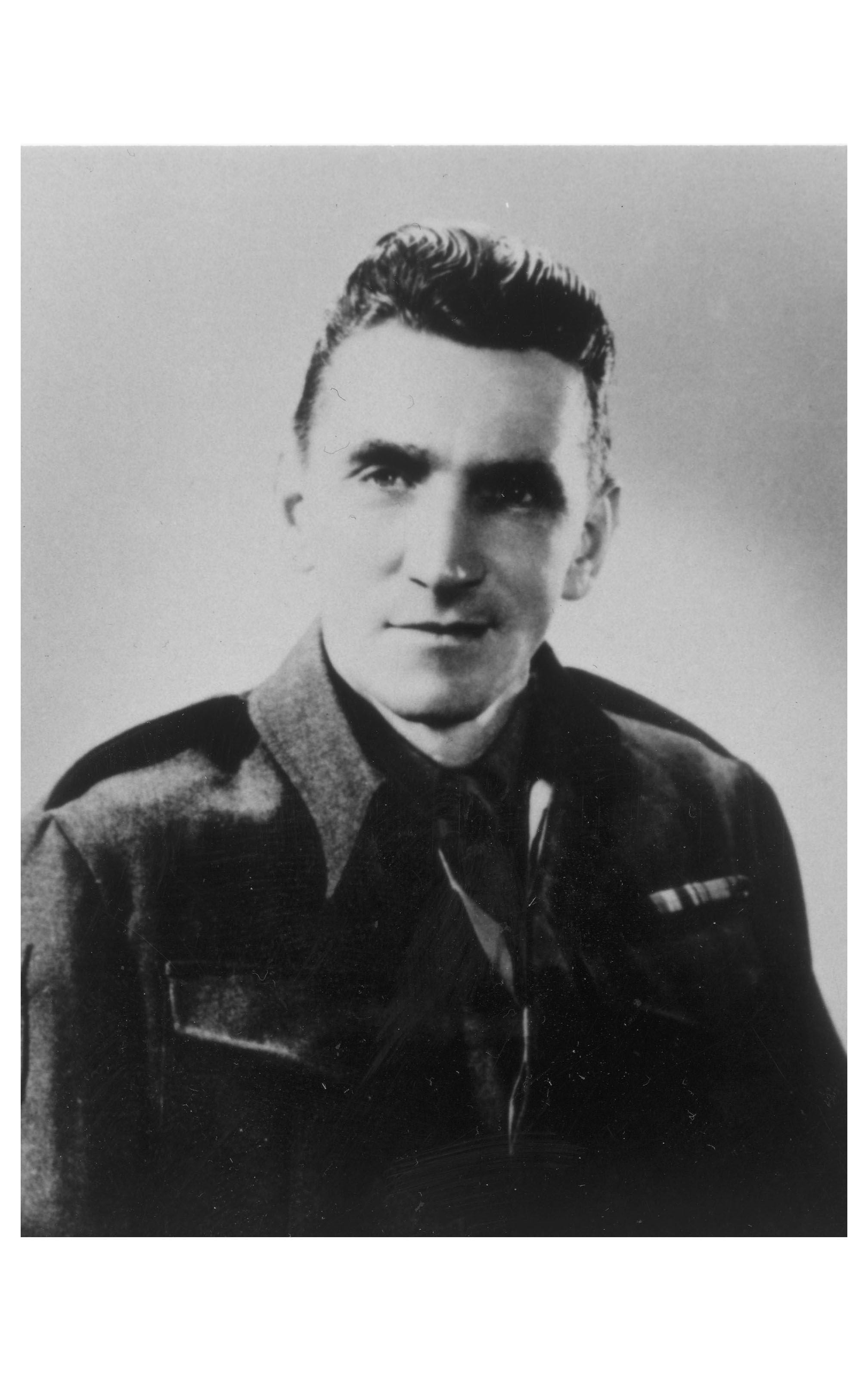
Mr Hinton earned his Victoria Cross in April 1941 during the Battle of Greece on the island of Kalamata.
During the battle, he "vehemently protested" an order to surrender and instead collected his own party of 12 soldiers and led them into the town.
Ignoring an order from a nearby officer to retreat, he rushed forward to the nearest enemy gun and hurled two grenades, killing the crew.
Mr Hinton also cleared out two light machine-gun nests and a mortar with grenades, then dealt with a house where some of the enemy were sheltering.
He then assisted in the capture of an artillery piece, but shortly after was shot in the stomach, immobilised and captured.
He was made a prisoner of war.
While a prisoner of war in Germany, he was paraded before his fellow prisoners and presented with a VC ribbon by the camp’s commandant.
George Tasman Dawson moved to Colac Bay in 1900 to manage the local timber mill.
On October 20, 1913, Mr Dawson was working in the bush when a timber viaduct bridge collapsed, sending him 9m down to the bush floor.
He suffered severe injuries, burns, dislocations and broken bones, losing consciousness.
However, when he came to, he dragged himself up the steep side of the gully, over logs and debris in order to save the lives of the other bushmen, who he knew would hit the broken track on their jiggers.

For his efforts, he was awarded a Royal Humane Society medal for "conspicuous acts of bravery".
"George was a great community man — he formed and was the captain of the Rifles Volunteers, who were formed in 1901 to protect the local shores in case of enemy invasion," Mrs McKay said.
"He instigated the build of the hall and that was for the riflemen’s drill and construction.
"So, it all ties in to the two heroes, the hall turning 125, and Anzac Day," Ms McKay said.
Colac Bay had two parks, one of which housed the cenotaph.
It seemed fitting to rename it the "J.D Hinton Memorial Park", she said.
The second park would be renamed the "G.T Dawson Memorial Park".
The celebrations would include speeches and the families of Mr Hinton and Mr Dawson would get a chance to speak.
There would also be food, a cake-cutting and the firing of a Krupp gun — a German weapon that was gifted to Colac Bay and has been restored to its former glory.
There would also be a horse-drawn cart for people to ride in.


