
PHOTO
Environment Southland has developed a new initiative aiming to improve freshwater quality in the South.
The online Catchment Context Tool will help the region’s farmers develop their Freshwater Farm Plans, as new regulations come into effect.
It was designed to give farmers easy access to land information specific to their properties, including slope maps along with geographic data on waterways and soil types in their area.
Environment Southland principal land sustainability officer Karl Erikson said the tool provided all the information needed to support freshwater farm plans, with regards to catchment context.
As well as information on key freshwater issues, cultural matters of importance to tangata whenua, and the targets for improving freshwater outcomes, were also included.
Regulations for farmers in the Aparima and Fiordland catchment areas kicked in at the start of August, giving them 18 months to develop and submit their plans.
Mr Erikson said the plans provided an opportunity for farmers to look at the effects of their activities, and develop actions to mitigate the impact.
"It’s obviously now a requirement, but I see that as having a real positive impact on water quality into the future, and a good way to turn this whole thing around."
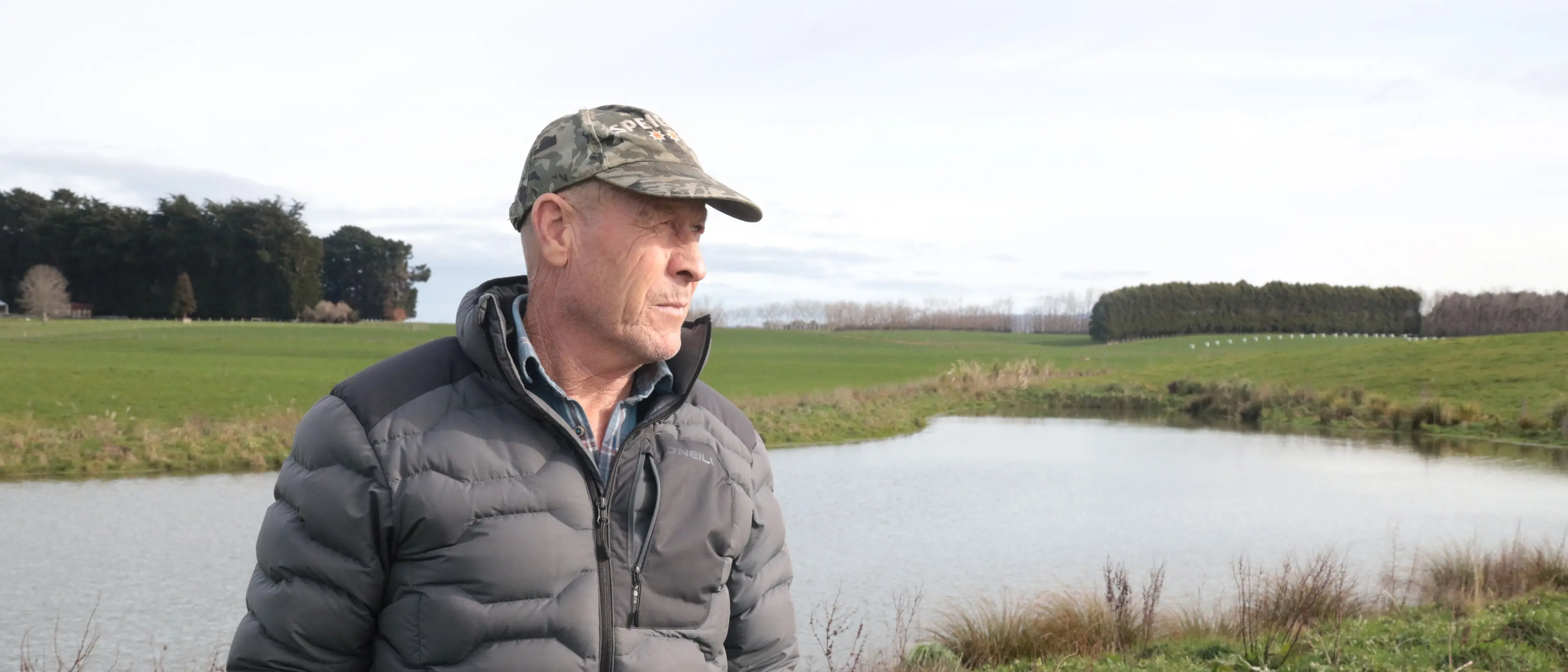
Southland dairy farmer Gavin MacPherson installed a wetland on his Waianiwa property two years ago to help manage farm runoff.
It covered a catchment of 115ha, extracting a significant amount of sediment, nitrogen and phosphorous that would otherwise end up downstream.
"You can easily clean up your water with smaller bunding systems that you put through a whole catchment, but we’ve gone to the critical source where the catchment enters a waterway, and we’ve put a series of three ponds in and cleaned it up there." He said it had also seen a return of birdlife and other biodiversity to the farm.
The earthworks took four days, and cost about $35,000 — funded in part by Fish & Game.
Mr MacPherson believed funding initiatives were a great way to get started, and said catchment groups, Environment Southland, Fish & Game and Thriving Southland were all great places to get advice for farmers wanting to do the same on their land.
He knew a lot of farmers interested in installing similar setups, but said they needed clear information to assist with planning because it was often difficult to know where to start.
Environment Southland hoped this new tool would help solve that.
It provides information for the Aparima and Pourakino, Waimatuku and Taunamau, and Orepuki areas — with the Oreti and Waiau catchments set for rollout in 2024.
The council had received good feedback, and Mr Erikson said the tool would be developed further as new technology, information and solutions became available.
"The freshwater farm plan is a very useful tool to get those on-the-ground actions happening at the farm scale. We’ve got some serious water quality issues in the region, and we need to turn things around, and this I think will be the starting point for doing that."
BY COLE YEOMAN