
PHOTO
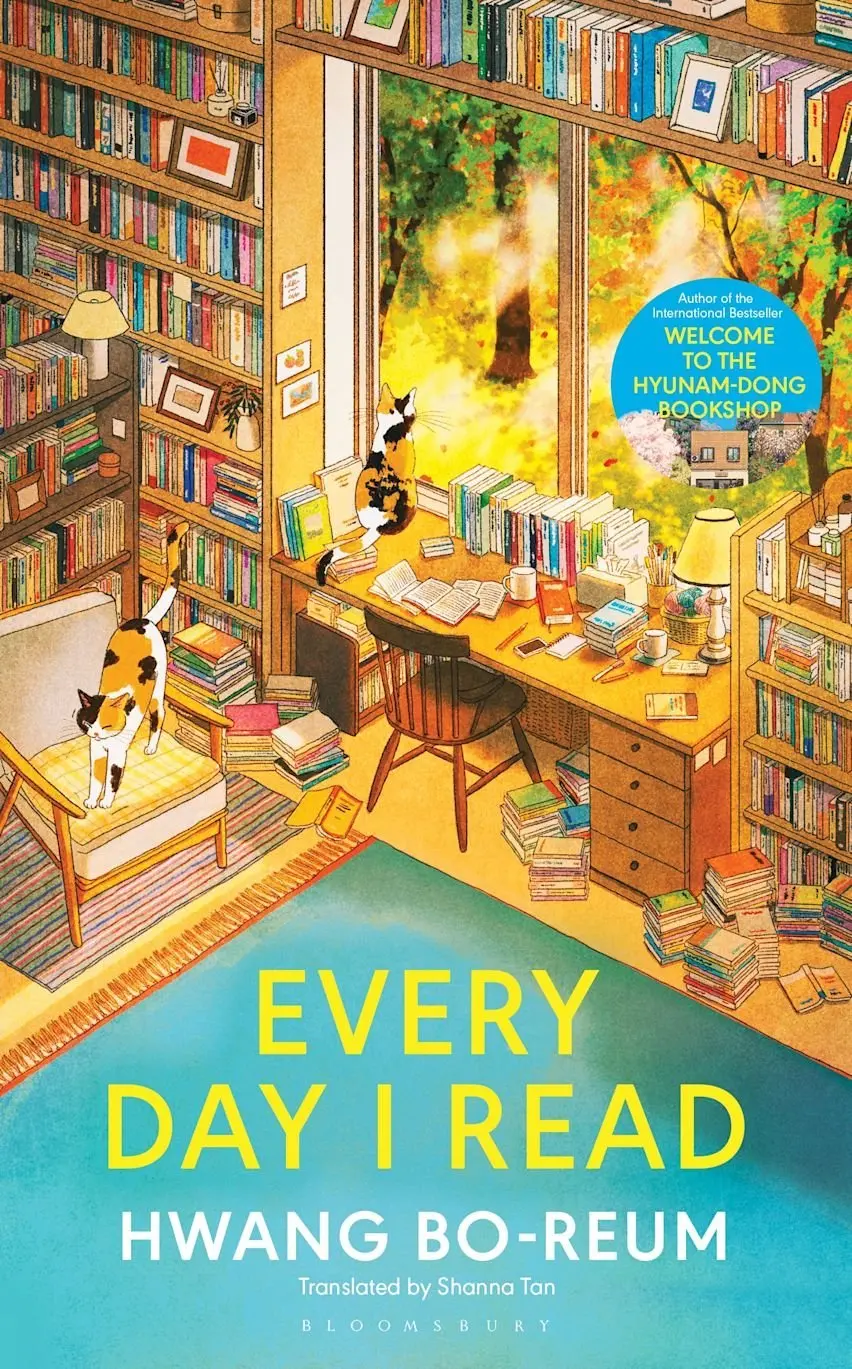
EVERY DAY I READ
Amid the worrying number of books by people worried about reading, this elegant and charming collection of essays stands out for its refreshingly positive approach.
South Korean essayist Hwang Bo-Reum does not offer statistics or anecdotes about cultural decline or the decay of attention and inwardness.
She celebrates the many ways by which to experience books, and her short, direct, personal essays simply and vividly illustrate how books and reading enhance our lives.
There are 53 essays, from two to five pages long, each one focused on some particular way of diving into books and making reading happen: reading big books and small, reading best-sellers, reading the classics, reading in bed, reading in bursts, persisting in reading, reading with a pencil, having a favourite writer, talking about your reading, etc.
Book-oriented people will recognise many of them, and perhaps be alerted to many more. She could, for instance, have added reading and walking, reading on the loo and indexing your books.
Nevertheless, Hwang seems a very dedicated and eclectic reader. She reads novels, stories, poetry (a bit: mostly of the rather emo-ish sort), non-fiction, pop philosophy.
Typically, each essay starts with a personal story or observation, which brings in the topic, which brings in a book, which brings in something from the book: a thought or a quote. In this way she shows how books are not just food for thought, but how in a life of reading they become tools with which to think and feel and extend our experience. She becomes wiser by reading, and so do her readers.
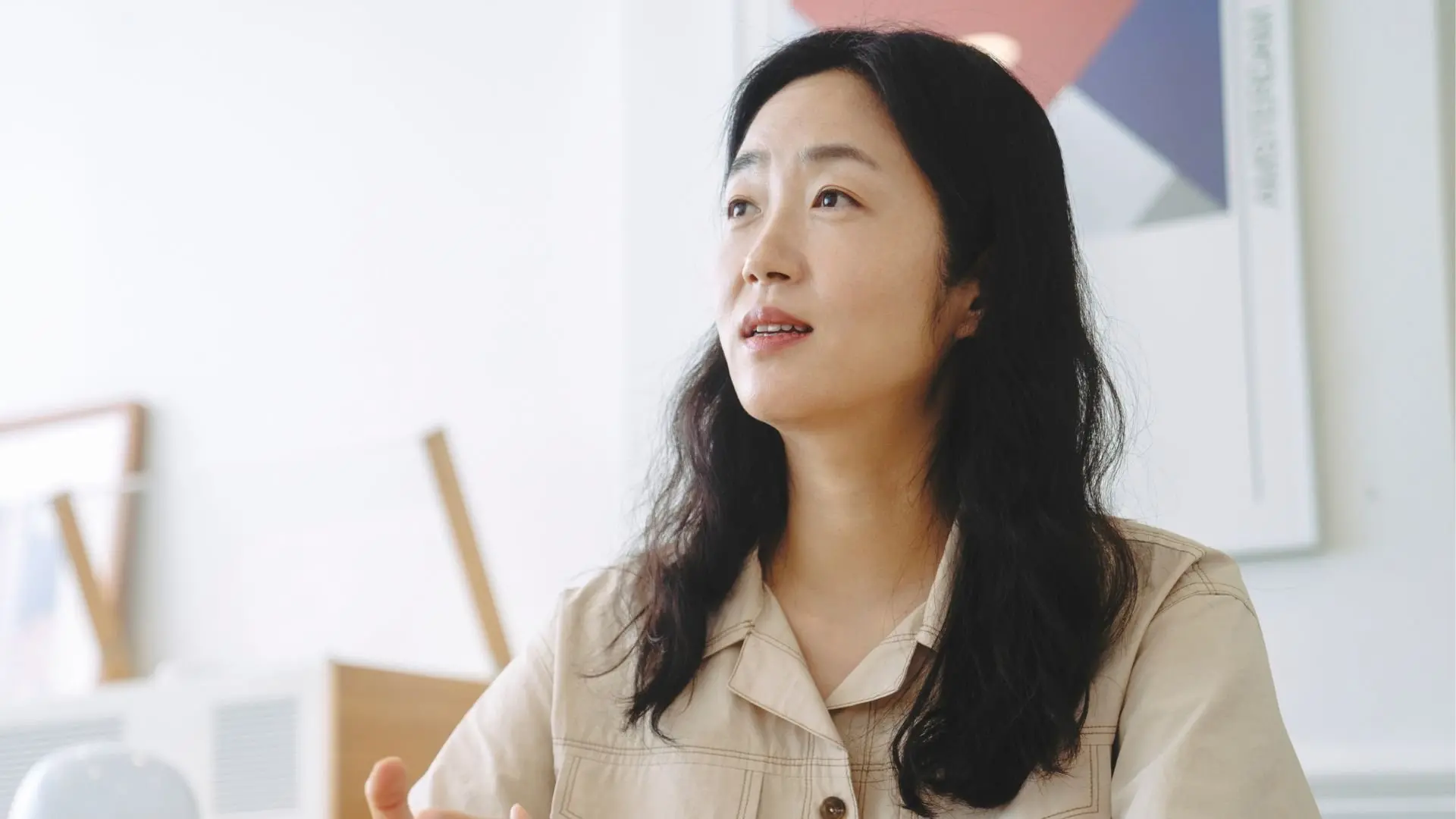
Before becoming a writer, Hwang was a software developer for LG Electronics, and perhaps that experience has deepened and sharpened her love for books.
Many of the books Hwang mentions are South Korean, which appears — to me, in my ignorance — a surprisingly bookish culture. Perhaps it is similar to the Czech Republic, where the necessity of translation seems to encourage reading and publishing.
She also mentions plenty of names known to western readers: Mark Twain, Umberto Eco, Seneca, Sartre, Julian Barnes, Montaigne, Thoreau, Kafka, Melville.
Hwang’s modesty and receptiveness and unacademic joy in the life of reading is irresistible.
In this book of her essays, readers partake in a quiet, cross-cultural conversation which reminds us of a better world.
By Paul Tankard