
PHOTO
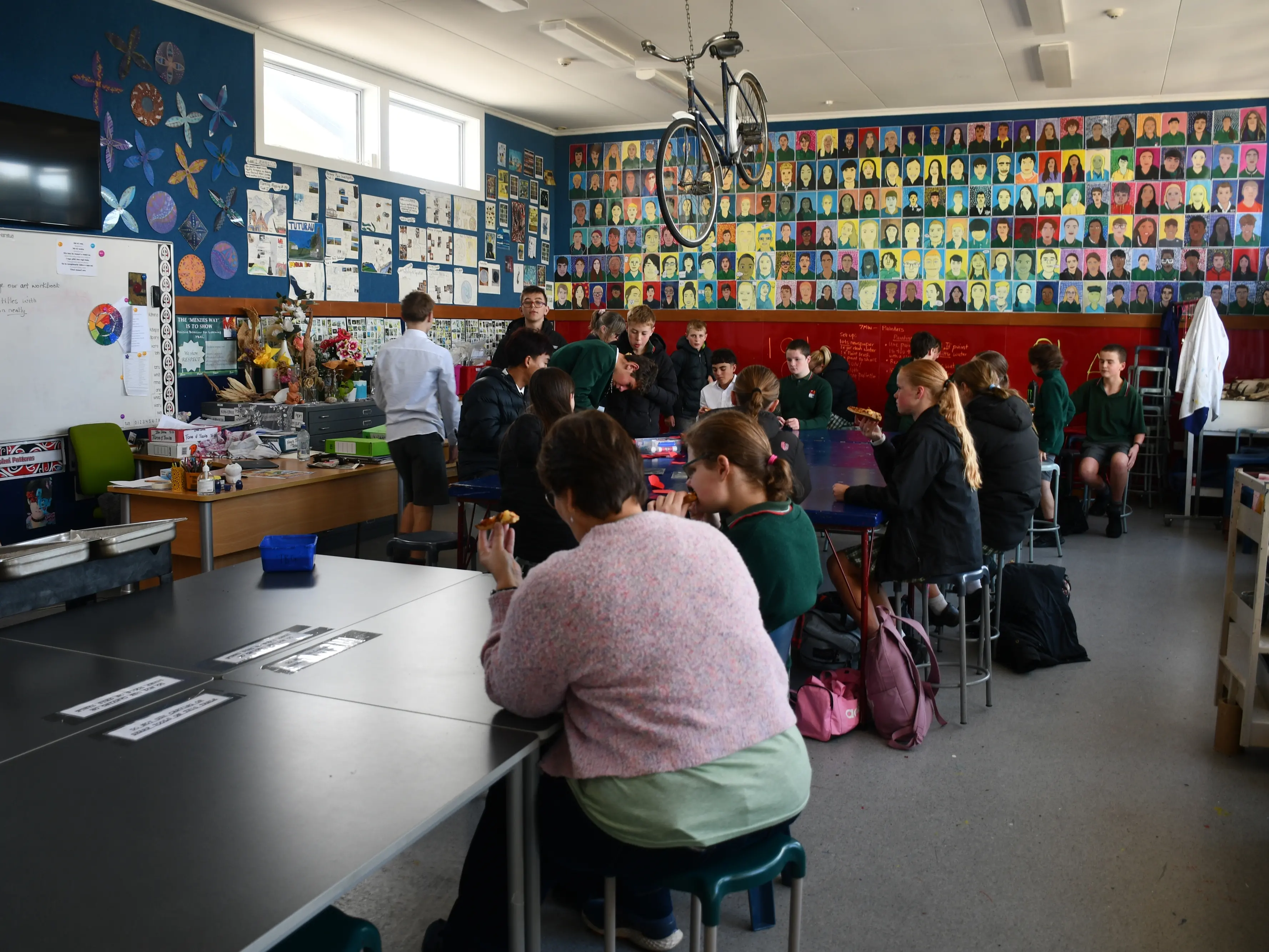
There are concerns reduced funding to the government’s school lunch programme will continue to put the squeeze on at least one Gore school.
Last year, the government’s Healthy School Lunches programme provided 242,000 students from 1015 schools and kura across the country — including nine primary and secondary schools in the wider Gore area with lunches on school days.
Lunches for the programme, launched by the government in 2020, could be provided by an external supplier, an endorsed local meal provider or made in-house.
In term one this year, payment for the meals was calculated based on the full roll of eligible schools.
In term two, the payment to schools for cooking costs where staff were hired to provide meals in-house was based on 90% of student numbers.
One high school that cooked meals on site has had to trim the spend in other areas so their students can be fed.
After accounting for attendance rates Menzies College, with a roll of 360, had about 280 mouths to be fed every day.
Principal Kath Luoni said the school reduced kitchen staff and cut fresh fruit out of the offering to save money, but cost pressure still remained.
‘‘We expect that we’ll be in deficit this year... there’s no fat in the budget.
‘‘There’s no buffer and any increased food prices will directly affect the operation of other areas in the school.’’
But the students still received the food they needed and reaped the benefit from lunches, she said.
‘‘It makes a difference to the settled environment that students get to learn in.’’
The school, with students in years 7 to 13, ran the lunches in ‘‘whānau groups’’ so students could eat together.
Menzies teacher Sioned Carran said the programme had strengthened the social lives of students due to the daily communal meal, which plugged a gap.
‘‘Those kids might otherwise miss out on nutritious food. Sometimes school is the first and only place that they experience lunch.’’
A student at the Wyndham school, Briana Delaney, 15, said the programme had given her the fuel she needed after missing breakfast.
‘‘I was sitting in class feeling a bit tired, and then I heard it was extended whānau [lunch time] and... it’s always the best part of my day.’’
Education union NZEI Te Riu Roa Principal Council member Tute Mila said the programme’s funding being based on 90% of the school roll did not have anything to do with a student’s right to a nutritious meal.
‘‘It should be around what it was created for... addressing the food insecurity of children which was impacting on attendance and impacting on their learning.’’
Ms Mila is also the principal of Arakura Primary School in Lower Hutt, Wellington, which cooked meals on site.
She said tying meal funding to attendance ‘‘doesn’t take into account the complexities behind why these kids are away frequently’’.
‘‘Whānau are really struggling. They’re struggling to pay their... ordinary bills just to live.’’
Of the nine Gore area schools East Gore, Mataura, St Mary’s, Te Tipua, Tuturau, Otama Schools and Māruawai College have an external supplier. At Waikoikoi School and Menzies College meals are made on site.
Mataura, Te Tipua, Tuturau and Waikoikoi Schools are eligible for extra financial support from the programme as they have fewer than 80 students.