
PHOTO
While Southland’s mayors agree a reorganisation of local government is an inevitability, their ideas of the finished product differ greatly.
Last July, the local government commission began a formal process looking into a possible amalgamation of the region’s four councils, sparked by Southland Mayor Rob Scott’s 2024 vision to combine the region’s councils into two unitary authorities.
Now the government’s push for reorganisation has thrown new scenarios into the mix as councils are being told to present reorganisation schemes within a three-month deadline.
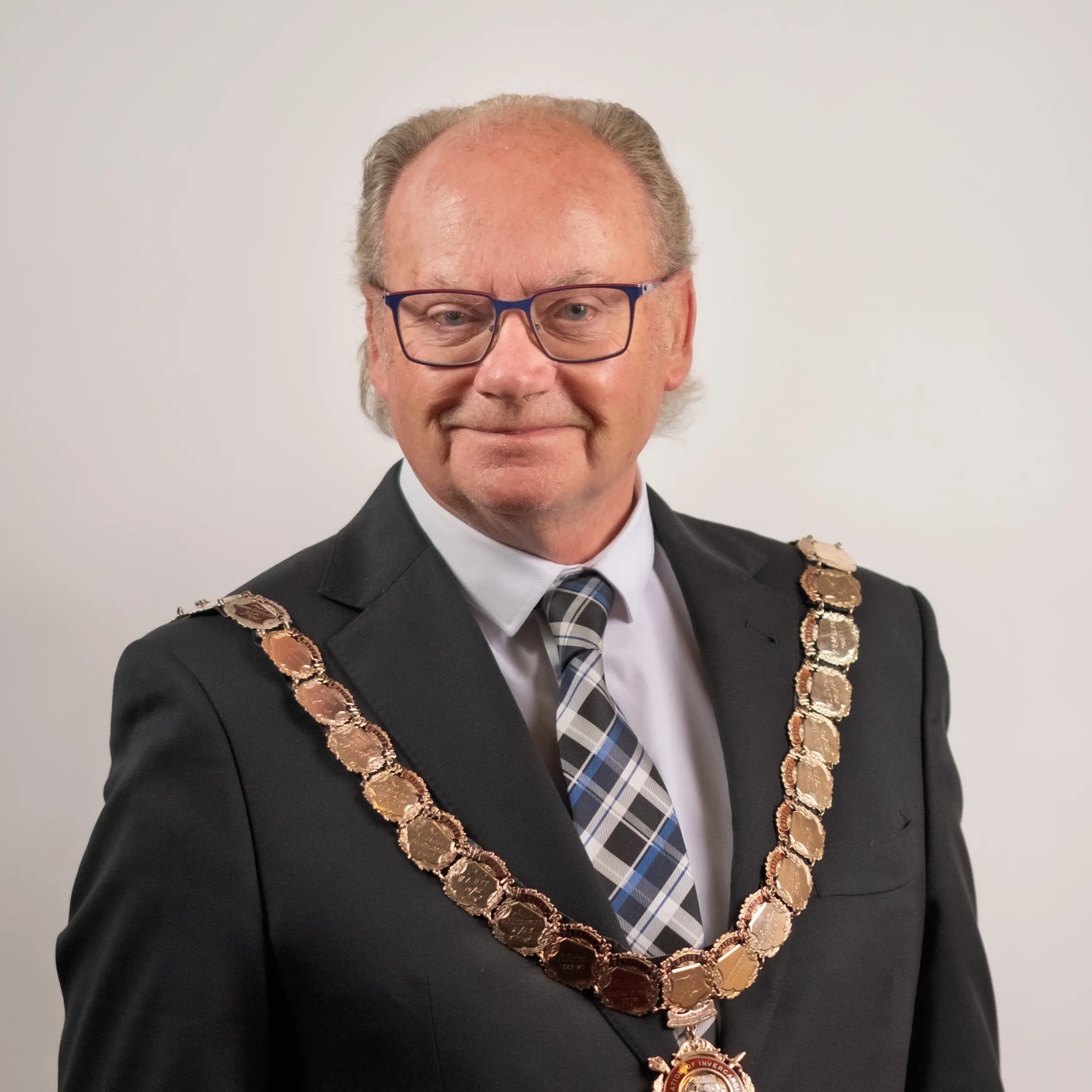
On Monday, Invercargill Mayor Tom Campbell confirmed his council backed the amalgamation of Southland’s four councils into one, while Mr Scott remains wedded to his plan for two councils.
Environment Southland chairman Jeremy McPhail said in a statement a single unitary council was the most effective and cost-efficient option if Southland chose to go with a unitary model.
Gore Mayor Ben Bell, an early sceptic of the amalgamation scheme presented by Southland, said he had spoken to many mayors about the issue.
“There’s a general feeling that this is going to happen anyways. That’s certainly what government are indicating.”
There was discussion now over new lines being drawn, not simply between the four Southland entities, but also encompassing Clutha and Central Otago as the councils meet and work together in a shared waters scheme, Mr Bell said.
Whatever the outcome, the priority was giving consideration to ratepayers before making a decision, which was not required by the government’s “Head Start” process, but was still important for cohesiveness, he said.
“I think it’s for the ratepayers to decide who they want governing them, so it’s my duty to put together some options and take them to the community.
“There’s no requirement to do any sort of consultation with the community, but it would be unfair for ratepayers to not at least go and talk to them in some regard,” he said.
Mr Scott said he was not looking to incorporate Clutha or Central Otago into the mix. The proposal was less about amalgamation and more about strengthening local voices and getting the “right kind of representation” to “match the voice of the communities”.
It did not make sense to reach out towards Clutha or Central Otago.
“It doesn’t make sense for a number of reasons, notwithstanding the river catchments, communities of interests.
“Having been the mayor of one of the biggest districts in the country, Southland is the size of Belgium — we have one council for it.
“Do we want to go any bigger than that? When you’re looking at Waitaki down, that’s an area of 60,000sq km. Why would you go against proven, successful models that work and go after this big centralised piece?
“If you’re chasing economy of scale, you’re never going to get it in the South Island. The only real city that has it is Auckland, you could maybe argue Christchurch, but the scale and geography will always supersede the numbers . . . he said.
On Monday, the local government commission released a decision on phase one of its reorganisation investigation and confirmed it would move to phase two.
Instead of a broad overview of the project and the desires of the community, the investigation would move to undertake more “detailed, evidence-based work”, including “engaging with councils, Ngāi Tahu ki Murihiku, key stakeholders and the wider Southland community”.