
PHOTO
Central Otago secondary school sport is surging. The Otago Secondary Schools Sports Association offers some background.
Secondary school sport in Central Otago has seen a significant transformation over the past four years. It is driven by population growth and commitment to providing students with meaningful, local sporting opportunities where they are playing for their schools against other schools.
The Central Lakes Basin includes Queenstown, Wānaka and Cromwell and continues to rank among the fastest-growing population areas in New Zealand. The region’s six secondary schools are Dunstan High School, Wakatipu High School, Cromwell College, Mt Aspiring College, Roxburgh Area School and Maniototo Area School. While the latter two are small area schools, the collective area is experiencing unprecedented demand for organised school sport, competition pathways and inclusive events.
In particular, Wakatipu, Mt Aspiring, Dunstan and Cromwell have all seen sustained roll increases over the past several years. What was once a modest cluster of rural and semi‑rural schools has rapidly become one of the country’s most dynamic secondary-aged populations. And with that growth has come a surge in students eager to participate in sport, not just socially, but competitively, and increasingly at scale.
For sport in Central Otago, this growth has created its own challenges. More students mean more teams, more competitions, more demand for facilities, and more pressure on the systems that support school sport. What once worked for a smaller population needed to be changed to meet the needs of today’s students while also considering the future which will also bring about more change.
In 2023, the Otago Secondary Schools Sport Association secured funding through the support of Central Lakes Trust, Community Trust South and Aotearoa Gaming Trust to establish a new event and competitions manager role, based permanently in Central Otago. This decision was driven by not only the increased desire for school v school opportunities around the region but was a strategic investment into an area that was set to experience continued growth and pressures. The continued commitment from funders to support youth sport has had a direct impact on the region.
Before this role existed, Central Otago schools had access to just three one-day events each year when they got to compete exclusively against each other. These were valuable but limited. They offered only a small taste of interschool competition, and were not enough to meet the needs of a rapidly growing region.
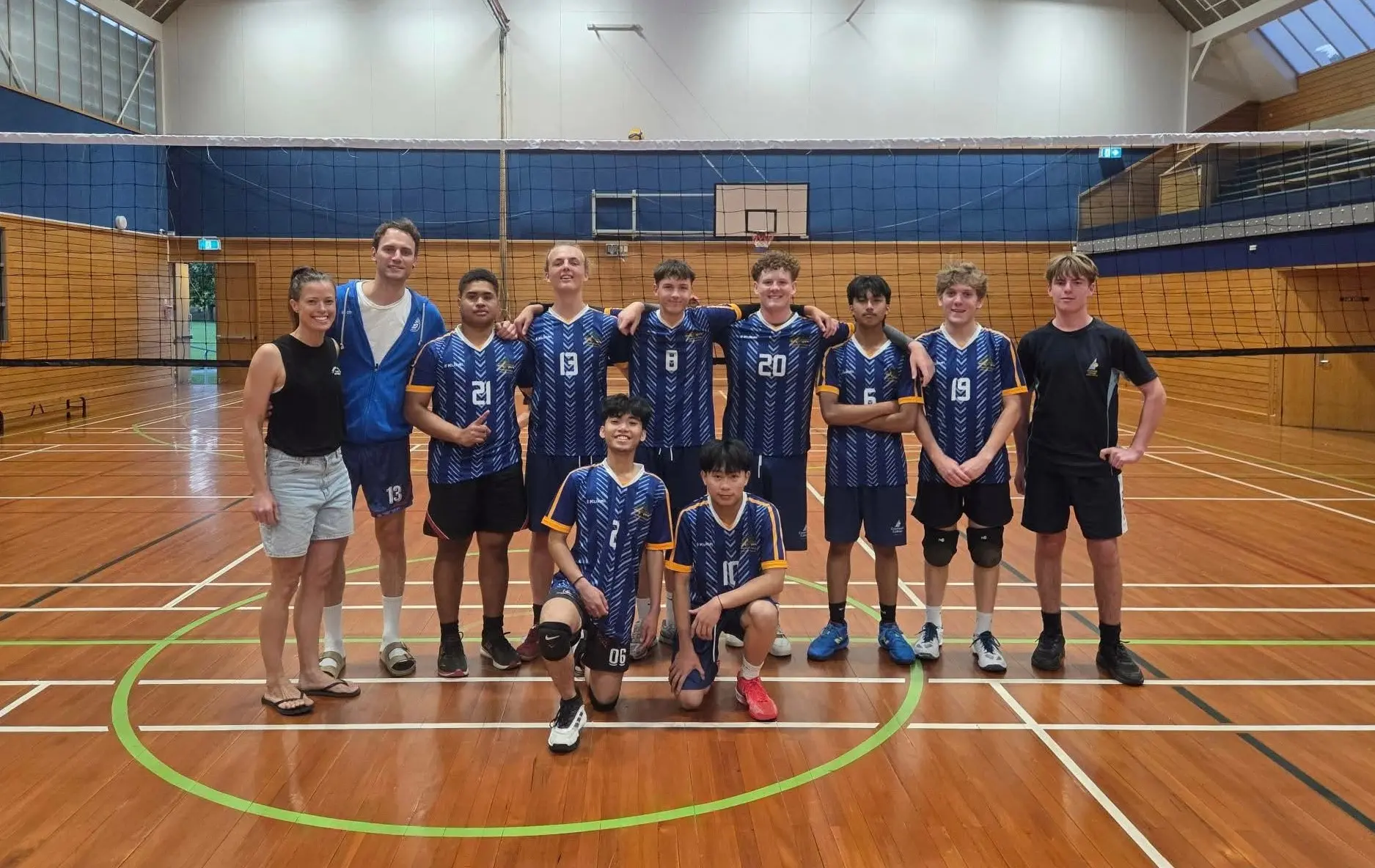
Fast forward to 2026, and the landscape looks entirely different. Thanks to the funded role, OSSSA now delivers 11 one-day events and eight different weekly season competitions in Central Otago. It is a dramatic expansion that has reshaped school sport across the basin.
These competitions are local, accessible and designed around the school v school model that research shows have the most positive impact on students. They compete against peers from neighbouring towns, strengthening these connections and reducing barriers to participation by having to travel to Dunedin or Invercargill. This funded role has allowed us to connect even closer with schools, listen to what their specific needs are, and support further in areas to make these opportunities possible for their students.
The numbers tell the story clearly. Participation in Central Otago OSSSA-led events and competitions has grown from 240 students in 2022 to an estimated 1750 students in 2026, a staggering 629% increase in just four years. This highlights that when suitable opportunities are made available for students to engage in, they come in numbers.
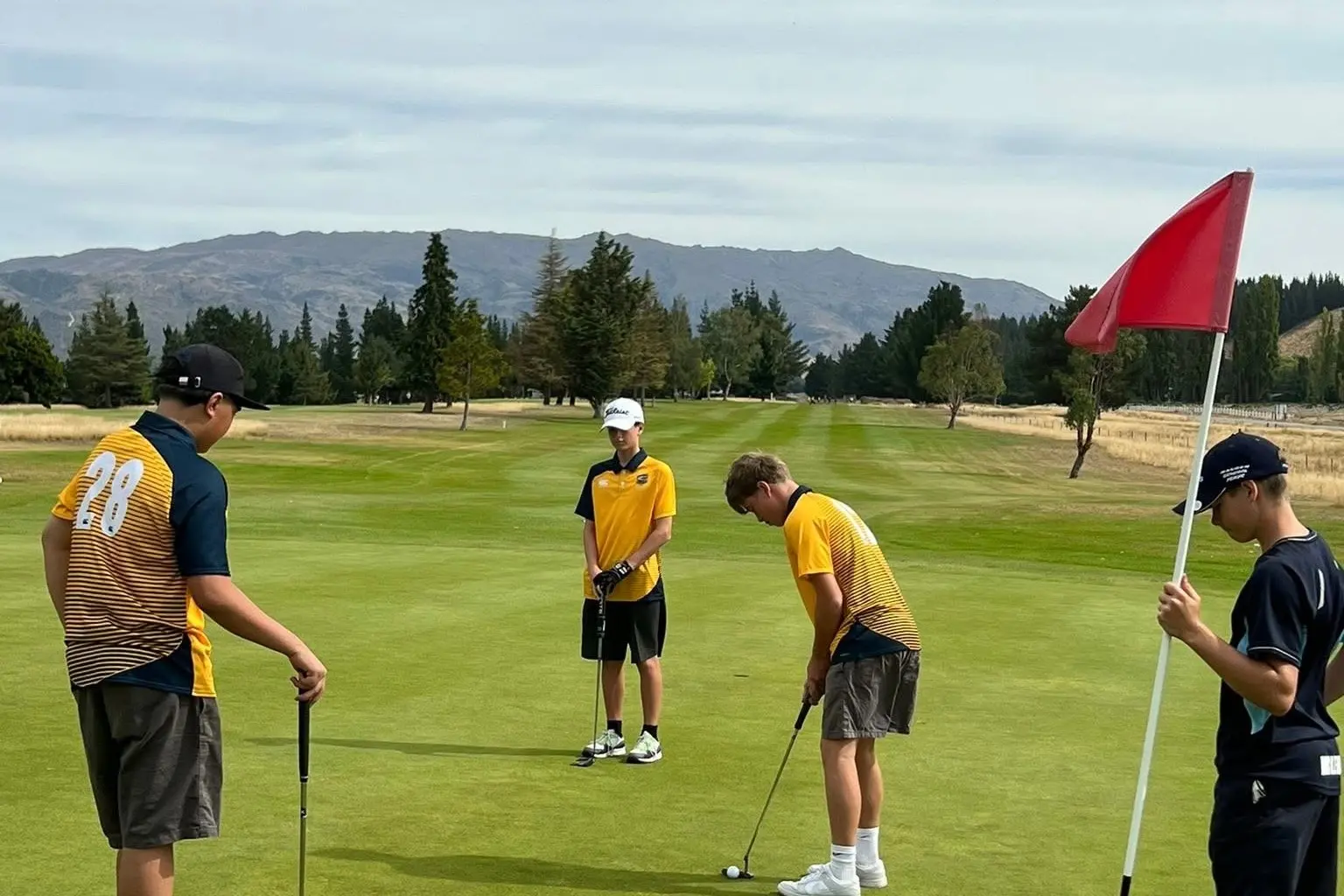
One of the standouts and highly anticipated addition to the sporting calendar has been the Central Otago secondary schools golf tournament. What began as a small idea has quickly grown into a popular annual event, and when you look at the Central Lakes landscape, it is hardly surprising.
The tournament caters for both competitive and non-competitive players, giving students a chance to experience golf without needing to join a club or commit to a full season. The ambrose section has become a favourite, offering a relaxed, social format that encourages students to give the sport a go.
Another event that has captured enthusiasm is ki‑o‑rahi, a traditional Māori game that blends strategy, movement, teamwork and cultural connection. Its popularity has grown rapidly, and every student who tries it seems to walk away smiling.
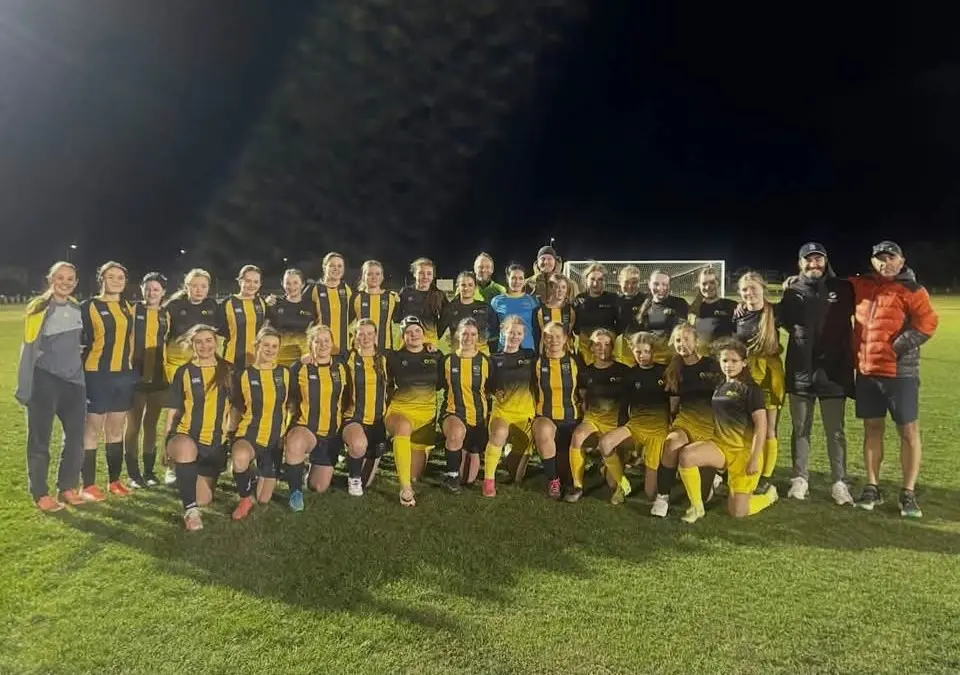
In 2022, Central Otago schools had the opportunity to participate in just three sporting codes playing against each other under OSSSA: basketball, volleyball and touch. Today, thanks to the growth of the region and the support of OSSSA’s Central Otago role, the sporting menu has expanded dramatically.
In 2026, schools can participate in volleyball, basketball, touch, cricket festival, futsal, golf, football, cross‑country, ki‑o‑rahi and adaptive sport days.
Among all OSSSA-led activities in Central Otago, one sport stands out with participation above the rest: basketball. In 2026, the region saw 38 secondary school basketball teams take the court, the highest participation of any sport in the Central Otago OSSSA calendar.
But with success comes challenge. Basketball and volleyball — another high-participation indoor sport — has pushed the region’s indoor facilities to their limit. All schools in the region except for Wakatipu only have one indoor court (their school gym), and the demand on these spaces is extreme as their purpose was never to host interschool competitions and tournaments as well as PE classes, team practices and other educational needs.
The pressure is felt most acutely in Cromwell, the geographic hub of Central Otago. With schools spread across Queenstown, Wānaka, Alexandra, Roxburgh and Maniototo, Cromwell is the natural meeting point for interschool sport. Yet it remains without a dedicated indoor facility capable of hosting such activities.
The hope for the near future is clear: a purpose-built indoor facility in Cromwell to ensure school sport can keep up with demand and continue to contribute positivity to the lives of our students. Such a venue would reduce travel costs, remove scheduling bottlenecks, and open the door for even more students to participate in sport at all levels.
While conventional sport has surged, inclusive sport has grown just as strongly. Central Otago’s adaptive sport days, held every term, have expanded alongside the region’s population. These events offer modified, accessible sporting opportunities for students of all abilities, ensuring those who may not typically engage in traditional sport can still experience teamwork, movement, and connection. With OSSSA’s dedicated support now embedded in the region and the ongoing support of Special Olympics, schools are better equipped than ever to meet demand, nurture young athletes, and ensure sport remains accessible to all.
As the Central Lakes Basin continues to grow, the momentum behind school sport shows no sign of slowing. The region’s schools are adapting, expanding, and innovating to meet the needs of a rapidly changing population.
With strong community support, dedicated funding partners, and a clear vision for the future, Central Otago will not just keep pace with growth, it will lead the way.