
PHOTO
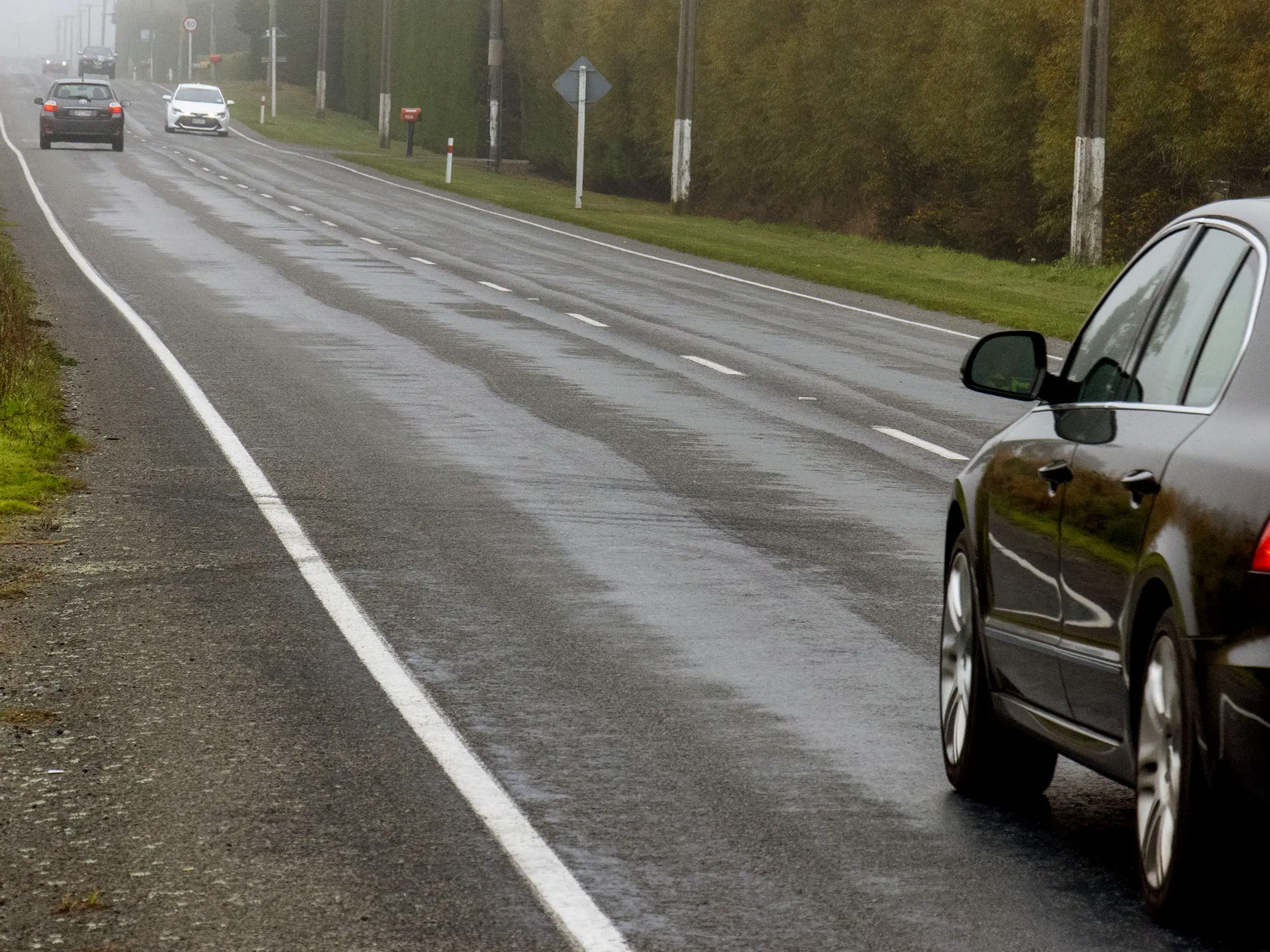
Drivers are being warned to take care on a busy Canterbury road because of a slippery road surface.
Lincoln Volunteer Fire Brigade fire chief Richie Bee said Springs Rd, between Boundary and Tancred Rds, can become extremely slick because of the condition of the seal.

Bee noticed the surface while the brigade was attending a two-car crash at the intersection of Springs and Boundary Rds. The crash was not caused by the road surface, he said.
“If you need to stop quickly, you’ll find it hard to do,” he said.
Selwyn District Council head of operational delivery Gareth Morgan said Springs Rd is scheduled to be resealed after winter during the next sealing season, which begins in October.
Morgan said a range of factors are considered when deciding which of the district’s 1660km of sealed roads are resurfaced first.
These include safety risks to road users, available budgets and the best time to carry out work to ensure it lasts, he said.
“We have been monitoring Springs Rd and taking those factors into account; we have arranged for it to be resealed in the next sealing season,” he said.
“For Springs Rd we also need to consider the timing with road works on other arterial routes to keep traffic flowing while work is happening.”
Morgan said the slick surface is caused by a phenomenon known as flushing.
Flushing occurs when bitumen, the sticky binder used in chip seal roads, rises to the surface.
It usually develops during hot summer weather, when heat softens the bitumen and causes it to bleed through the chip seal before hardening on top, creating a shiny surface.
The result is reduced grip on the road, particularly in wet conditions, increasing stopping distances and reducing traction.