
PHOTO
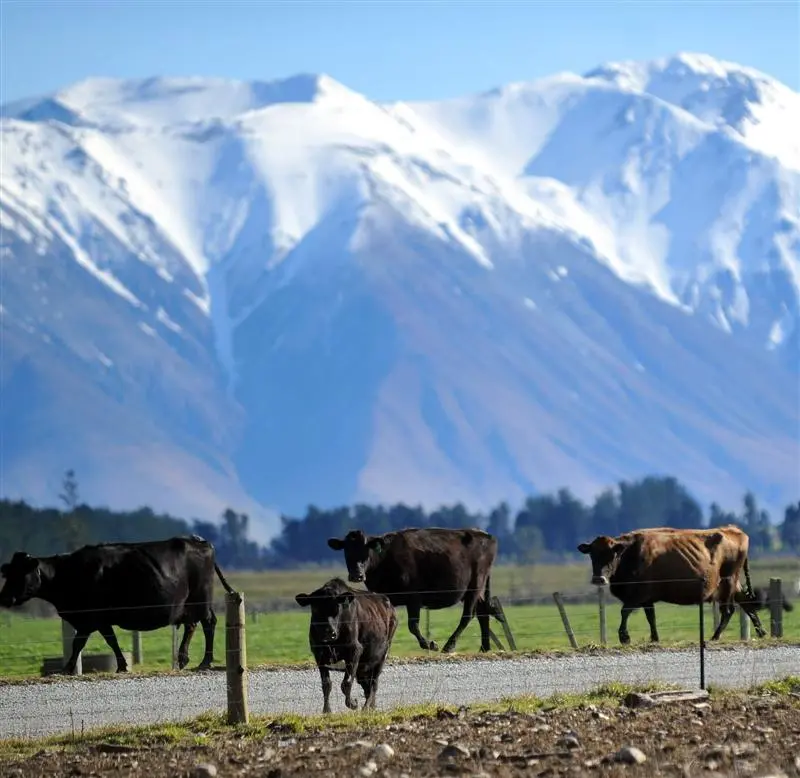
Fonterra has stuck to earlier forecasts of milk production volumes being down 2%-3% this dairy season, but numerous factors affecting farmers are yet to come into play.
Poor weather at present could be further compounded by effects of the imminent El Nino. Based on a forecast 2%-3% decline, Fonterra yesterday predicted the 2015-16 season would produce 1.58billion kilograms of milk solids. (1589million kg/ms)
However, herd number reductions, increased culling rates, already declining average collection rates and poor weather may have a more widespread effect on the final seasonal volume.
BNZ rural economist Doug Steel said actual milk production around the country is at present down 4%, so Fonterra maintaining its 2%-3% forecast at present was acceptable.
Although the fortnightly global auction dairy price was improving, as were dairy futures, Mr Steel said the farm-gate milk price was still expected to be low, even if it gained on Fonterra's present $3.85 per kilogram forecast.
''The volumes will be highly dependent on the weather, more so than usual given the extreme El Nino in play,'' he said when contacted yesterday.
He said because El Nino's effects were expected to centre on the east coast, dairying in Taranaki, Waikato and Southland might be affected to a lesser degree.
Fonterra's group director, co-operative affairs, Miles Hurrell said although Fonterra had forecast a volume decline, there was already evidence farmers were pulling back on production, which could lead to a further downward revision of forecast volumes, further into the season.
''Farmers are responding to the lower forecast farm-gate milk price by returning to more traditional farming practices,'' Mr Hurrell said in a statement yesterday.
Since February 2014 global dairy commodity prices have plunged 55% and last month Fonterra reduced its forecast farm-gate milk payout to farmers from $5.25 to $3.85 kg/ms - equating to about $3billion less in the economy.
The threat to the economy remained on the Reserve Bank's radar and governor Graeme Wheeler also noted, in his monetary policy statement on Thursday, how dairy farmers were attempting to reduce costs.
Farmers were responding to lower cash flows in several ways, including delaying capital expenditure, opting for cheaper feed, reducing labour costs or milking once a day.
''Farmers with higher break-even prices face more pressure to make changes, and tend to be those with higher working expenses, drawings, interest and rent costs,'' the policy statement said.
Mr Hurrell said farmers were already reducing feed supplement use, lowering stocking rates per hectare to utilise pasture and cows were being culled at higher rates.
''Many of our farmers are also providing early advice that they are expecting significant year-on-year volume reductions,'' he said.
He noted the current daily milk collection average was lower than the same time last year and that forecasts at this point were very dependent on weather conditions, which have ''so far been poor for production''.