
PHOTO
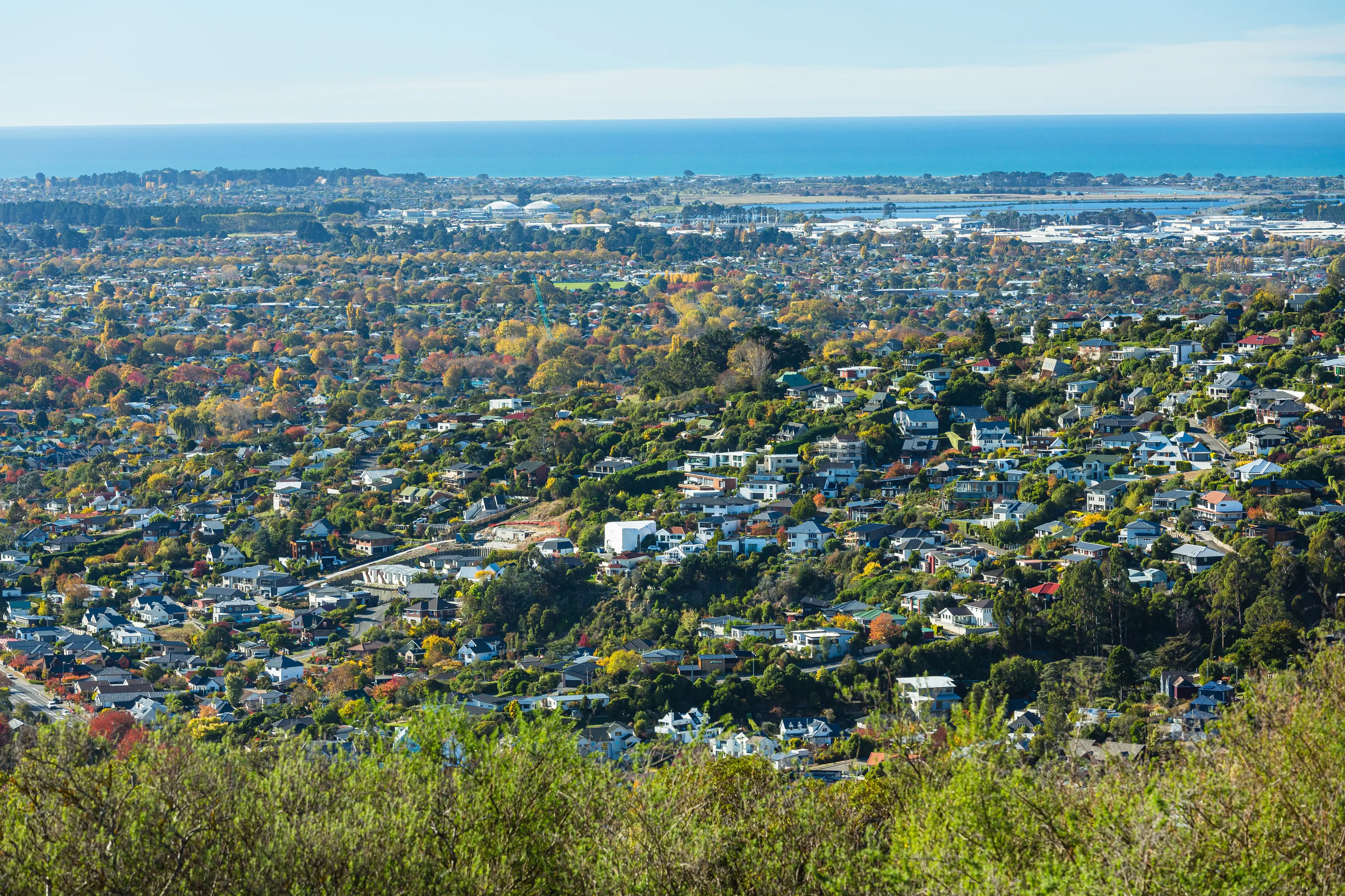
A new-build mansion in Christchurch has sold for $11.4 million — shattering the city’s house price record.
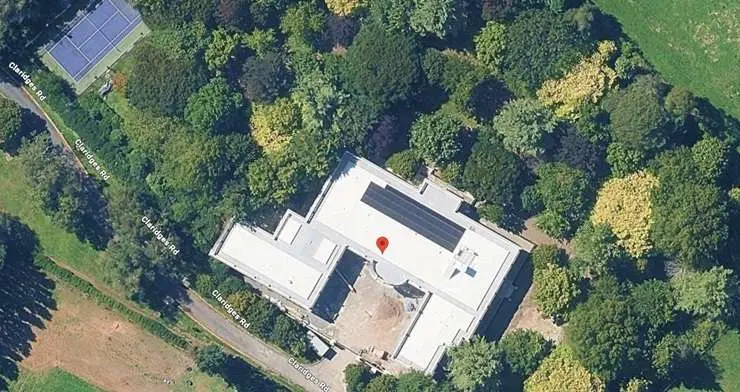
The four-bedroom trophy home on Claridges Rd, Harewood, was snapped up last month in an off-market deal that took the real estate industry by surprise, OneRoof.co.nz reported.
It is also the first property to break the $10m ceiling, eclipsing Christchurch’s previous sales record of $9.55m, achieved at the end of last year by 110-year-old home Brenchley on St Barnabas Ln, Fendalton.
The 1268sq m house on Claridges Rd boasts multiple reception rooms, a cinema, a gym, a swimming pool and a tennis court. It sits on a more than 1.6ha section.
The new owner, a prominent Canterbury businessman, declined to comment on the sale, as did the vendor.
Records show the property was completed earlier this year by Lime Tree Estates Ltd, whose director is Dennis Thompson.
Thompson has a colourful past; the former property developer was described by the media in 2009 as one of the country’s best-housed unemployment beneficiaries because he was living in a mansion on Banks Ave, in Dallington.
OneRoof understood Thompson built the Claridges Rd mansion after moving out of Banks Avenue. The consent for the property was lodged in 2022 and got final sign-off earlier this year.
Christchurch real estate agents told OneRoof that the sale was great news for the city’s prestige market.
Rosa Carter, managing director of New Zealand Sotheby’s International Realty’s Canterbury office, said the sale would provide a welcome boost to vendors at the top end of the market.
The fact the sale had occurred in Harewood, on the city’s north-west fringe, rather than in traditional the blue-chip suburbs such as Fendalton, Merivale, Scarborough and Cashmere, made it even more significant.
“That’s just going to give confidence across the board,” she said, noting that there was a good number of high-value homes that were built post-earthquake and had so far never sold.
“Now it’s starting to happen.”
Harcourts Gold agent Cameron Bailey, whose $8m sale of a Wood Ln mansion in Fendalton in 2024 kick-started the city’s recent run of trophy-home deals, said he hoped the latest transaction would be the first of many $10m-plus sales in the city.
“It’s been a long time coming, and it needs to happen because the build cost is so expensive on these properties and replacement costs are up there, so they are actually worth it.”
Bailey had heard the Claridges Rd property was “pretty spectacular” and said it was a “little bit of a rarity because it was a big parcel of land inside Christchurch’s boundary”.
“It’s not rural — it’s still in the city basically — so you are still a 15-minute drive from everywhere.”
Bailey said high-end build costs were at least $10,000 per square metre, which put the value of the Claridges Rd property at least $10m.
Bailey knew of homes in the city’s more traditional blue chip suburbs that were also worthy of top prices.
And compared to other parts of the country, Christchurch was still cheap.
“For me it shows Christchurch has got room to grow, especially in the high-end market. I don’t think the high-end has really bounced up to what it should be,” he told OneRoof.
“Imagine what it would be worth in Auckland. It may not be double, but in an equivalent location it would be at least a third again.”
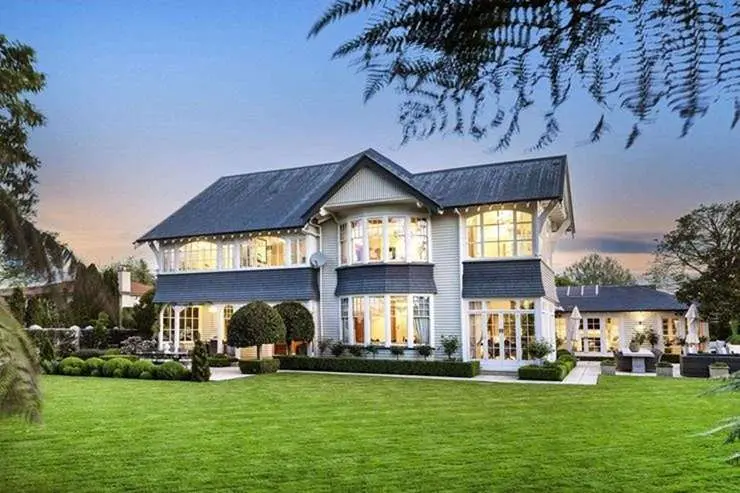
Harcourts Grenadier agent Alison Aitken, who brokered last year’s $9.55m St Barnabas Ln deal and sold a luxury home on Glandovey Rd in March for $8.34m, agreed Christchurch still offered good value for money.
Aitken said sales at the high-end of the market were infrequent and often caused astonishment, but this was because these types of opportunities rarely came to market.
“Once people secure these trophy-type properties, they tend to stay in them very long term.”