

PHOTO
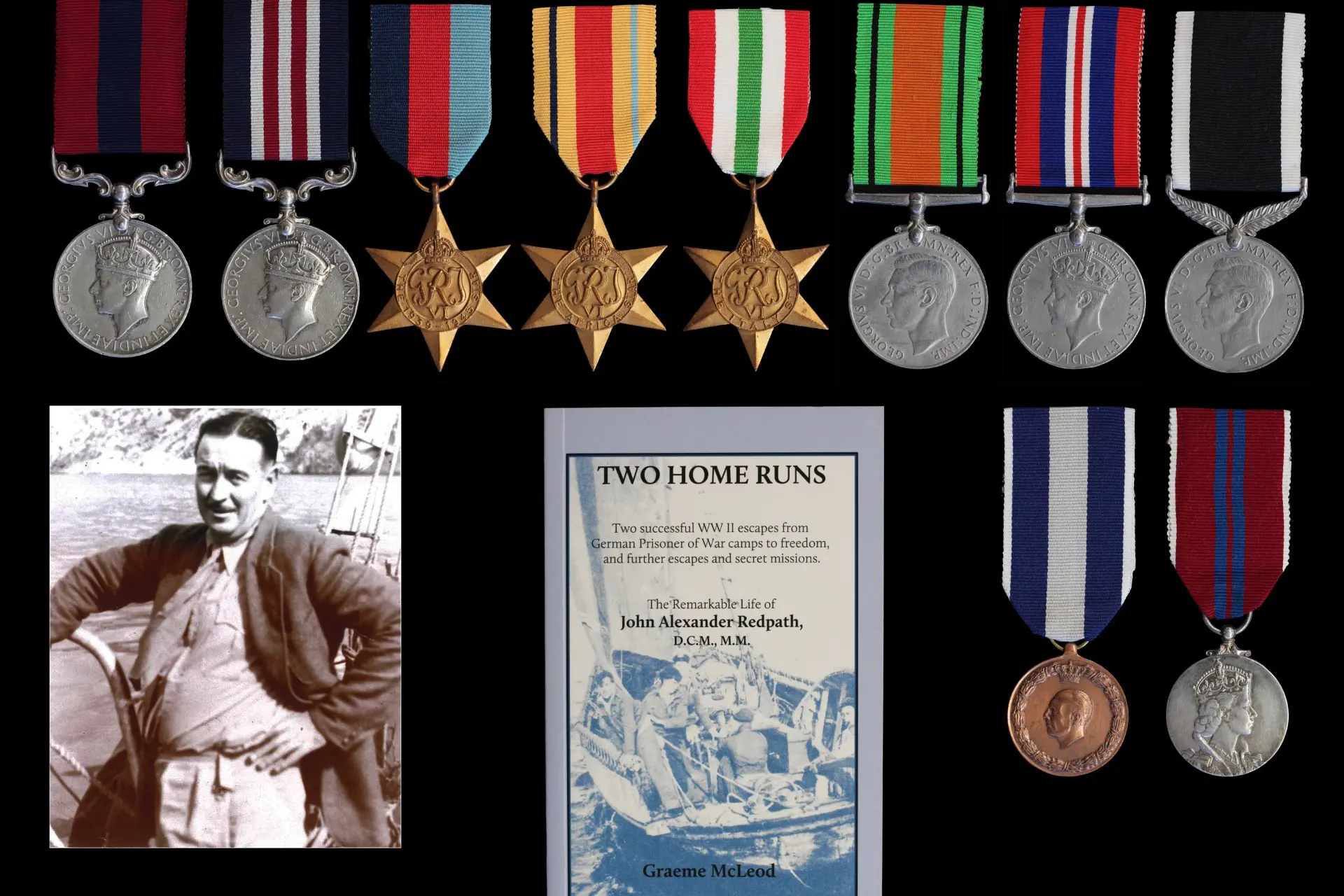
Christchurch-born World War 2 hero John Alexander Redpath’s medals have been sold to “a private buyer” for $32,000.
Redpath escaped captivity several times during the war, including one time when he found himself being transported to Germany in a cattle car.
A few hours into the journey he cut through the wood around a lock on a side door and leapt from the moving train near Cremona, Italy.
It was the second time Redpath had escaped enemy captivity – and just one of the extraordinary episodes in a wartime career that eventually earned him both the Distinguished Conduct Medal and the Military Medal.
The collection of 10 of Redpath’s medals went under the hammer at Mowbray Collectables, alongside Defence Force documents, photographs, reference material and a book about his exploits. The lot was auctioned on Friday and had an estimated value of $14,000.
But the medals went for more than twice their expected value and fetched the highest price of all the lots auctioned off.
Mowbray Collectables managing director David Galthey said the medals sold to a private buyer for $32,000, including charges.
Five newly discovered letters and envelopes to the Hatchwell family from Lyttelton relating to the ill-fated Robert Falcon Scott Antarctic expedition of 1910 to 1913 sold for a total of $18,700, more than double the estimated value.
An exceptionally well-preserved proof set of 1935 New Zealand coins sold for $23,300. The top price for a stamp lot of $16,700 was for a group of New Zealand’s earliest stamps from the 1850s to 1860s, featuring a portrait of Queen Victoria.
A letter from 1846, marked ‘Russell’ for the receiving office, from missionary, Richard Taylor, who wrote out the final copy of the Treaty of Waitangi in February 1840, sold for $16,100.
The Mowbray Collectables stamp and coin auctions brought in $1.1m in sales from September 18-19.
Said Galt: “Something like this (Redpath’s medals) is certainly a privilege to be able to sell. It’s certainly the most valuable medal group that we’ve got in this auction.”
He said overseas sales were strong, accounting for 38% of the total.
“These results show the enduring appeal of rare New Zealand coins, medals and stamps in the international market.”
Redpath was born in Christchurch in 1904 and joined the New Zealand Engineers aged 36.
He arrived in Europe in 1940 and was forced to evacuate Greece before retreating to Crete.
When German forces invaded the island in May 1941, Redpath co-ordinated a group of 40 men determined to escape.
The group found damaged fishing boats in Loutra harbour and repaired them while under constant bombing and attack from German aircraft.
Their plans were foiled when a German patrol caught the group and took them to Galatas POW camp.
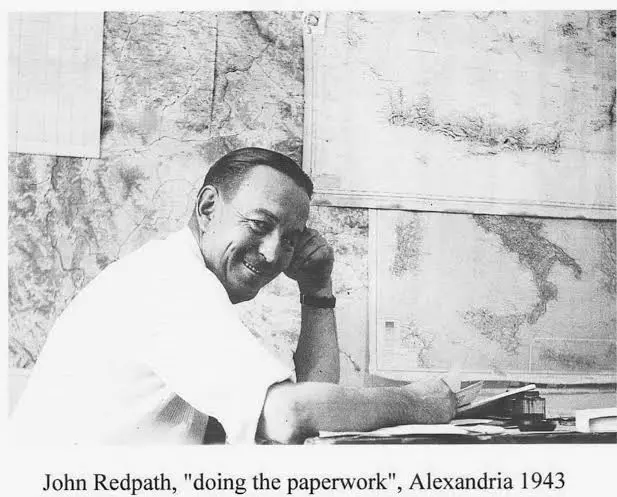
Redpath, however, was not going to stay a prisoner for long.
He volunteered for a work detail and used the opportunity to escape, quietly walking out of the camp with two companions.
He remained hidden on Crete for several weeks before escaping with other civilian refugees aboard a Greek merchant vessel they had commandeered at gunpoint.
They left San Elias Cove bound for Alexandria, Egypt.
Their journey quickly became even more dangerous.
The crew flew a swastika flag in an attempt to evade the German Luftwaffe, but the deception backfired when the vessel was attacked by the British RAF.
The boat was subsequently attacked twice more by German aircraft, taking multiple hits.
Redpath and the crew eventually reached North Africa, where he secured more fuel before sailing on to Alexandria without further attack.
His professional manner, meticulous leadership and detailed note-taking caught the attention of British high command.
He was awarded the Distinguished Conduct Medal and promoted to Warrant Officer II before being given a classified assignment with MI9, the military intelligence department responsible for helping Allied personnel escape and evade the enemy.
Redpath returned to Greece, where he helped co-ordinate the evacuation of British soldiers from the island of Paros.
But on Antiparos, he was captured by an Italian patrol.
Once again, he found himself behind barbed wire.
Redpath was taken to Camp No 35 at Padula, where he attempted another escape through a tunnel dug by Allied prisoners.
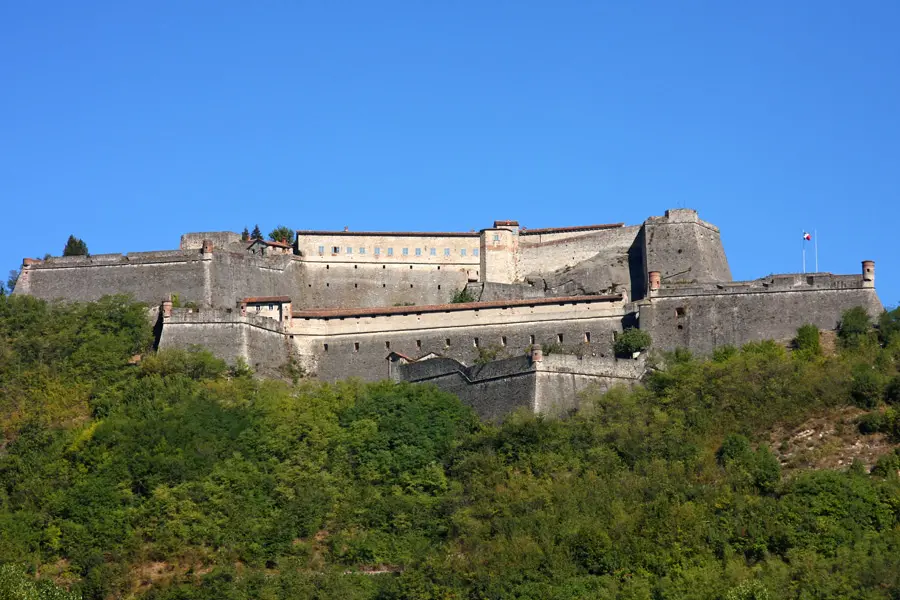
He was recaptured eight days later by two Italian military policemen and taken to Camp No 5 at Gavi, which was nicknamed the Italian Colditz after the notorious German POW camp for Allied officers considered likely to attempt escape.
Redpath and his fellow prisoners immediately began making a hole in their cell wall, but the Italians did not keep them confined for long enough to make meaningful progress.
Then the prison was taken over by German forces.
The prisoners were loaded into cattle cars and put on a train bound for Germany.
Redpath saw another chance to escape. A few hours into the journey, he cut through the wood around a lock on a side door and leapt from the moving train near Cremona.
He spent several weeks walking about 600km before eventually reaching American forces by the end of October 1943.
For his work with MI9 rescuing British forces, Redpath was awarded the Military Medal and promoted to captain.
He was discharged in 1946 and died in Wellington in April 1969.
His exploits were later recorded in Graeme McLeod’s book Two Home Runs.
Galt said the medals had come up for auction from McLeod’s deceased estate.