PHOTO
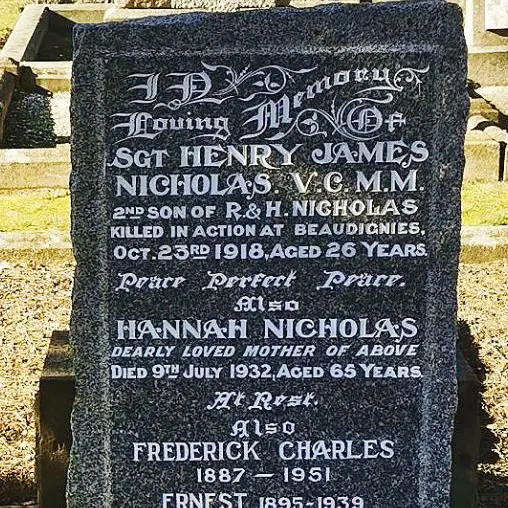
The restored family plot of Sergeant Henry Nicholas, Canterbury’s first Victoria Cross recipient, will be rededicated on the anniversary of his death with co-ordinated ceremonies in Christchurch and France.
Nicholas, who was awarded the highest military award for valour following an attack on a German position in Belgium in 1917, will be remembered on October 23 at his family grave in Bromley cemetery.
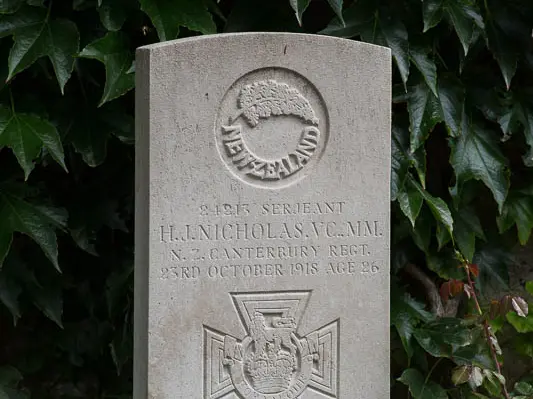
When the same day dawns in Europe, flowers will be laid at his resting place in Vertigneul churchyard in northern France.
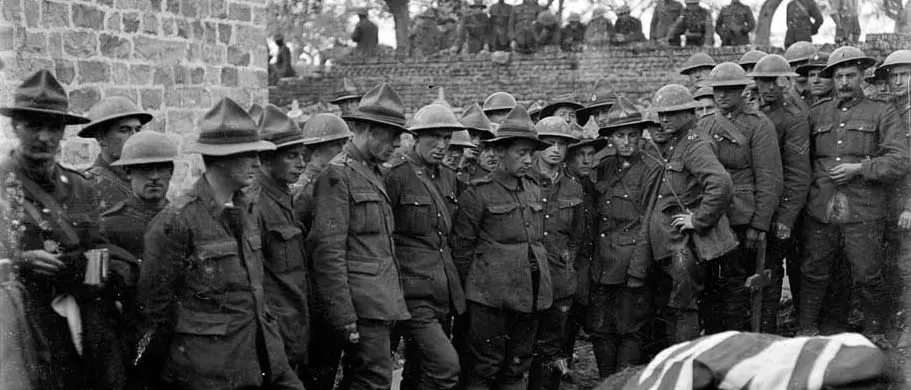
Nicholas, who was killed three weeks before the armistice on November 11, 1918, was initially buried in Beaudiginies but later the Lincoln-born 27-year-old’s remains were exhumed and reinterred among other war graves.
Canterbury district Returned and Services Association president Stan Hansen said the ceremonies would be a fitting conclusion to a restoration project inspired by English Korea War veteran Ken Wright.
The RSA and New Zealand Remembrance Army – a war grave-restoring charity – mobilised after Wright noticed the earthquake-damaged family plot while walking through the cemetery last November.
Restoration work to right the toppled headstone and repaint lettering was carried out last month.
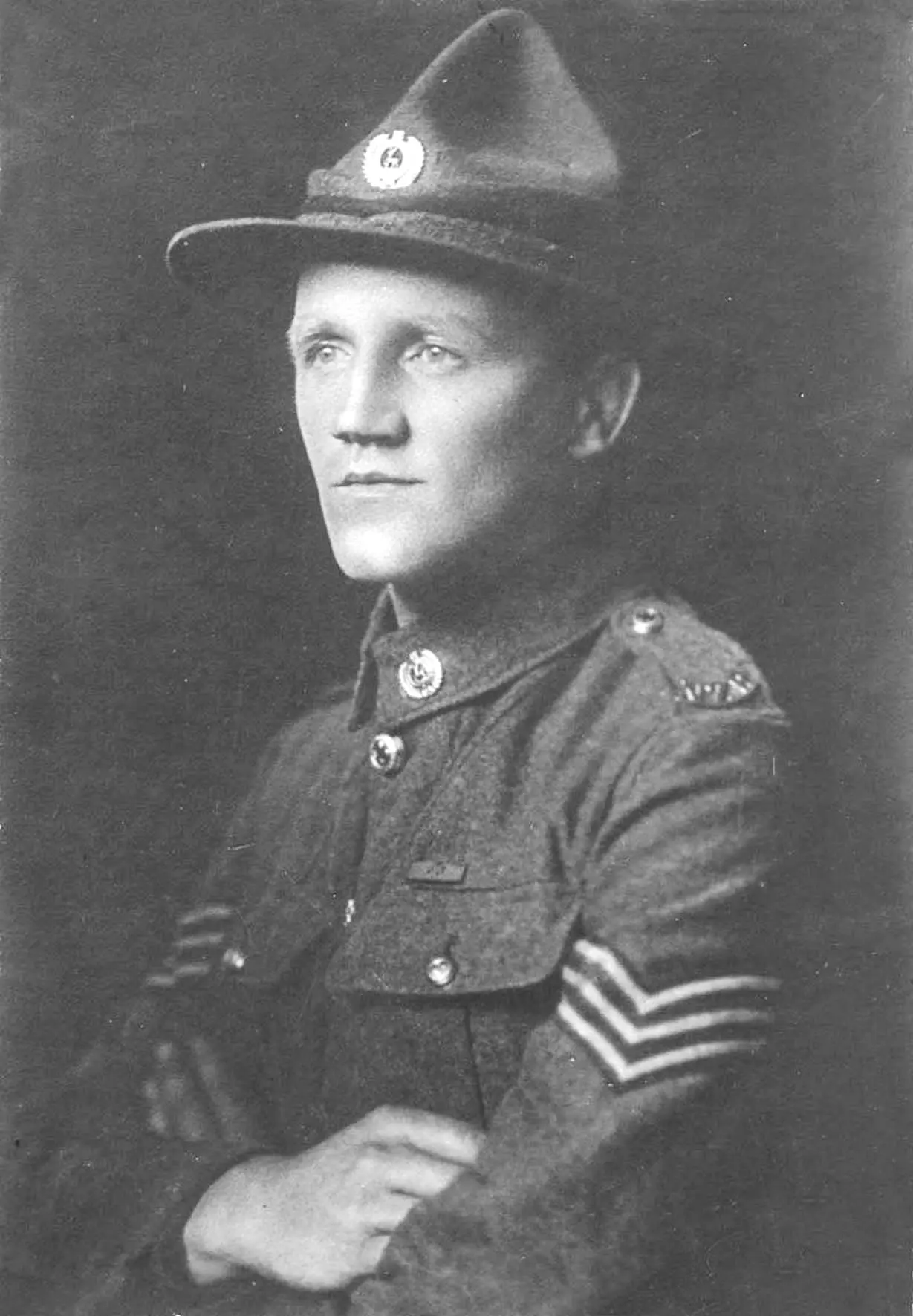
A member of the New Zealand Infantry Canterbury Regiment, Nicholas was presented with his VC by King George V at Buckingham Palace in July, 1918.
He subsequently returned to France, where he was awarded the Military Medal before being killed in action.
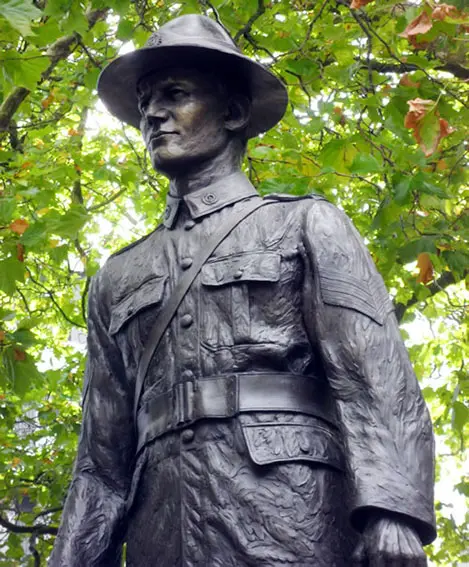
“It’s a sad story because he was killed three weeks before the war ended. How sad is that? He’d been taken off the front lines and he was actually on guard duties. He was guarding a bridge, there was a German thrust and he was taken out,” Hansen said.
The rededication also coincides with the New Zealand Infantry’s Corps Day, selected because October 23 marks the start of the second Battle of El Alamein in Egypt in 1942.
A military presence is planned at Bromley, while the RSA is negotiating with Canterbury Museum to have Nicholas’ VC and Military Medal at the ceremony.
His mother Hannah bequeathed the medals to the museum after her death in 1932.
Hansen said the plans for the French ceremony were in the formative stages but he was confident the New Zealand embassy could provide representation.
“It’s a fitting tribute to someone who we haven’t forgotten and someone whose heroic deeds forged a way for New Zealand to be the country it is,” Hansen said.