
PHOTO
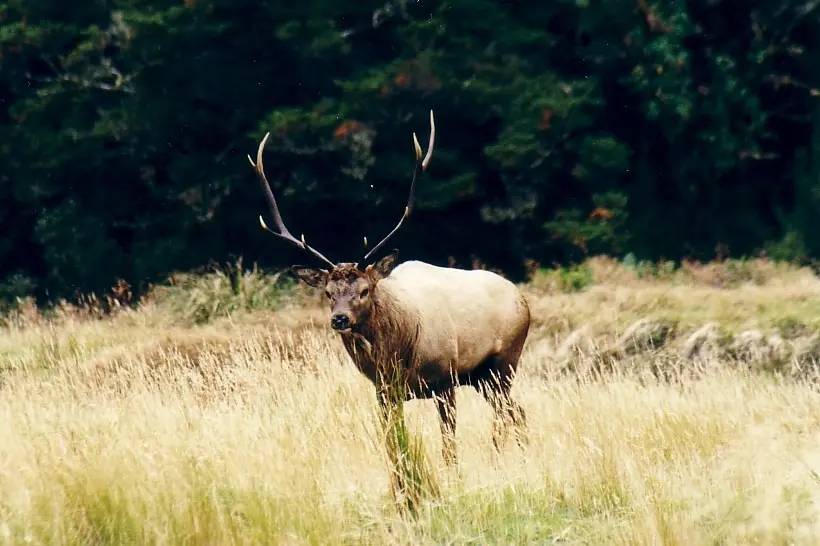
THE decision to designate Fiordland wapiti as New Zealand’s first Herd of Special Interest (HOSI) is an important milestone for hunter-led conservation.
It reflects a practical and balanced approach to sustainably managing a unique and valued hunting resource, while continuing to protect the conservation values that define Fiordland and the wider Te Wāhipounamu World Heritage Area
This is not about replacing what already works. It is about building on it.
Fiordland has a long history of coordinated herd management, particularly through the excellent work of the Fiordland Wapiti Foundation. That experience, knowledge of the landscape, and connection to hunters on the ground have helped shape the approach we are taking now.
The HOSI framework brings greater clarity and structure to that work. It establishes a clear set of expectations through a Herd Management Plan, supported by monitoring and regular review. It ensures that management decisions are informed over time by both hunting outcomes and environmental impacts.
On-the-ground delivery will be led by the Foundation, a reflection of its the long-standing role in managing the herd and its contribution to coordinated effort across the Wapiti Area.
This includes efforts like regular culling, management of the popular wapiti ballot, track and hut maintenance, and trapping to protect at-risk native species like whio/blue duck.
This delivery plan will be developed with the Department of Conservation, in partnership with iwi and hapū.
Importantly, this designation does not seek to increase animal numbers. A key focus will be reducing browsing pressure so native vegetation can recover and ecosystems can regenerate over time.
Active management remains essential, and clear ecological targets will guide how the herd is managed into the future.
For hunters on the ground, most things will feel familiar. Access to the Fiordland Wapiti Area will continue under the existing permit system, and the ballot during the bugle season will remain in place to manage demand at peak times.
These arrangements are well understood and play an important role in maintaining the quality of the hunting experience.
What will change over time is how management is coordinated. The HOSI framework provides a more structured approach, with clearer planning, more consistent monitoring, and a stronger link between on-the-ground activity and measurable outcomes.
This will support both herd quality and the broader health of the Fiordland environment.
The Fiordland Wapiti Foundation’s experience will continue to be an important part of this. The team have continually demonstrated what can be achieved through coordinated effort and shared responsibility.
The HOSI approach builds on that, rather than replacing it.
It is also important to be clear about what this decision does not change. DOC will continue to manage public conservation land and retain responsibility for conservation outcomes, including oversight, monitoring, and reporting. New Zealand’s responsibility to protect the World Heritage values of Fiordland remains unaltered.
There has been understandable interest in how this decision might affect those values. Assessment indicates that a more coordinated HOSI approach is likely to improve ecological outcomes compared to less structured or unmanaged areas.
By reducing browsing pressure and supporting vegetation recovery, it contributes to long-term ecosystem resilience.
For rural communities, hunters, and conservation stakeholders alike, this is a pragmatic step forward. Personally, I view this an exciting and logical step for valued introduced species, which have significant heritage and cultural values to many Kiwis.
I believe the designation is a win-win for all. It will help manage deer numbers to sustainable herd levels, ensure hunters pull healthy animals off the public back country to put on the family dinner table, and better protect our biodiversity.
It recognises the value of hunting, reflects the importance of conservation, and provides a structured approach to supporting both over time.
This is a piece of work spanning more than decade, with legislation supporting the creation of HOSIs passed back in 2013. In 2023, the National Party made a commitment to hunters that we would establish the world’s first ever Minister for Hunting and Fishing and designate our first HOSI this term. I’m proud to deliver on this promise.
The designation will formally take effect once these ballot conditions are set out in the New Zealand Gazette in the coming weeks.
Ultimately, what matters is not the designation itself, but the outcomes it aims to deliver: healthy ecosystems, well-managed herds, and continued access to hunting opportunities.
That is the balance we are working to achieve, and I am confident this decision puts us on the right path.
James Meager is the Minister for Hunting and Fishing.