
PHOTO
What happens inside the heart when people reach middle age could help researchers in Christchurch identify the early signs of heart disease before serious problems develop.
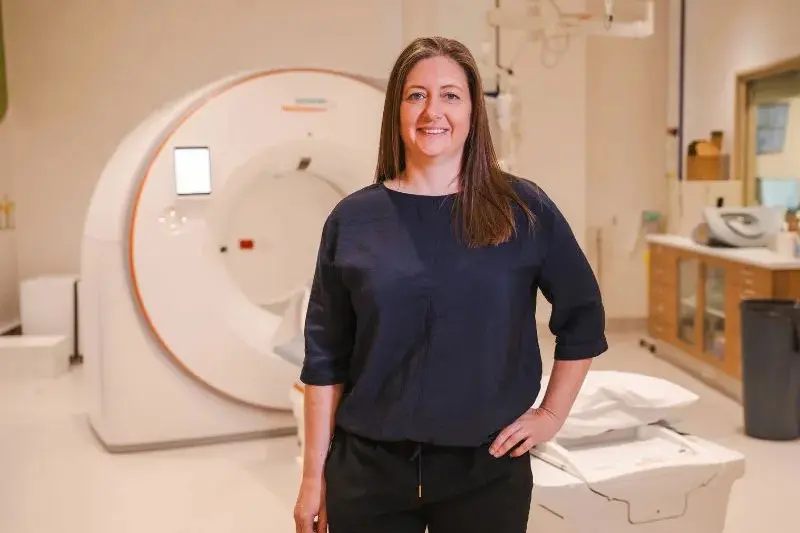
Cardiologist Dr Charlotte Greer is leading a new phase of the Christchurch Health and Development Study, one of the world’s longest-running studies of human development.
The study has followed 1265 people born in Christchurch in 1977, collecting information about health, wellbeing, education, family life, finances and life experiences through about 25 assessments since infancy.
Now, as the participants approach 50, Greer and her team are carrying out detailed assessments of their heart health.
Participants will complete questionnaires and undergo a series of tests, including echocardiograms, ECGs and blood tests. They will also undergo advanced imaging using Christchurch Hospital’s photon-counting CT scanner, supported by the Canterbury Radiology service.
The technology produces highly detailed images of the heart, coronary arteries and surrounding tissue.
“The CT and echocardiogram images will allow us to see the structure and function of the heart in detail and, using these alongside ECG and blood tests, will identify markers that might indicate increased future risk of coronary artery disease or heart failure,” Greer said.
Researchers know a great deal about people who have already been diagnosed with heart disease, but much less about the heart health of the wider population.
That means some people at risk may go undetected until they suffer a serious cardiac event.
Many people who have a heart attack or develop heart failure have no obvious warning signs beforehand.
Greer said the study will provide a rare snapshot of heart health in a group of New Zealanders at midlife.
The researchers hope to establish how common early heart abnormalities are and which markers are most useful for predicting who may go on to develop heart disease.
“We’ll also investigate how experiences such as stress, financial hardship and difficult childhoods may influence heart health decades later.”
The participants will continue to be followed in the coming decades, giving researchers the opportunity to link what they see in the heart at midlife with future health outcomes.
“The findings could help identify people at elevated risk before they have a heart attack or other serious event, creating an opportunity for earlier treatment and lifestyle changes that could make a real difference to heart health.”
Greer said advanced cardiac imaging could also provide a clearer picture of changes in the heart muscle and coronary arteries, potentially supporting earlier diagnosis and more targeted treatment.
With decades of detailed information already collected about the participants, Heart Foundation medical director Dr Gerry Devlin said the research will create a unique resource for understanding heart disease.
-Allied Media