

PHOTO
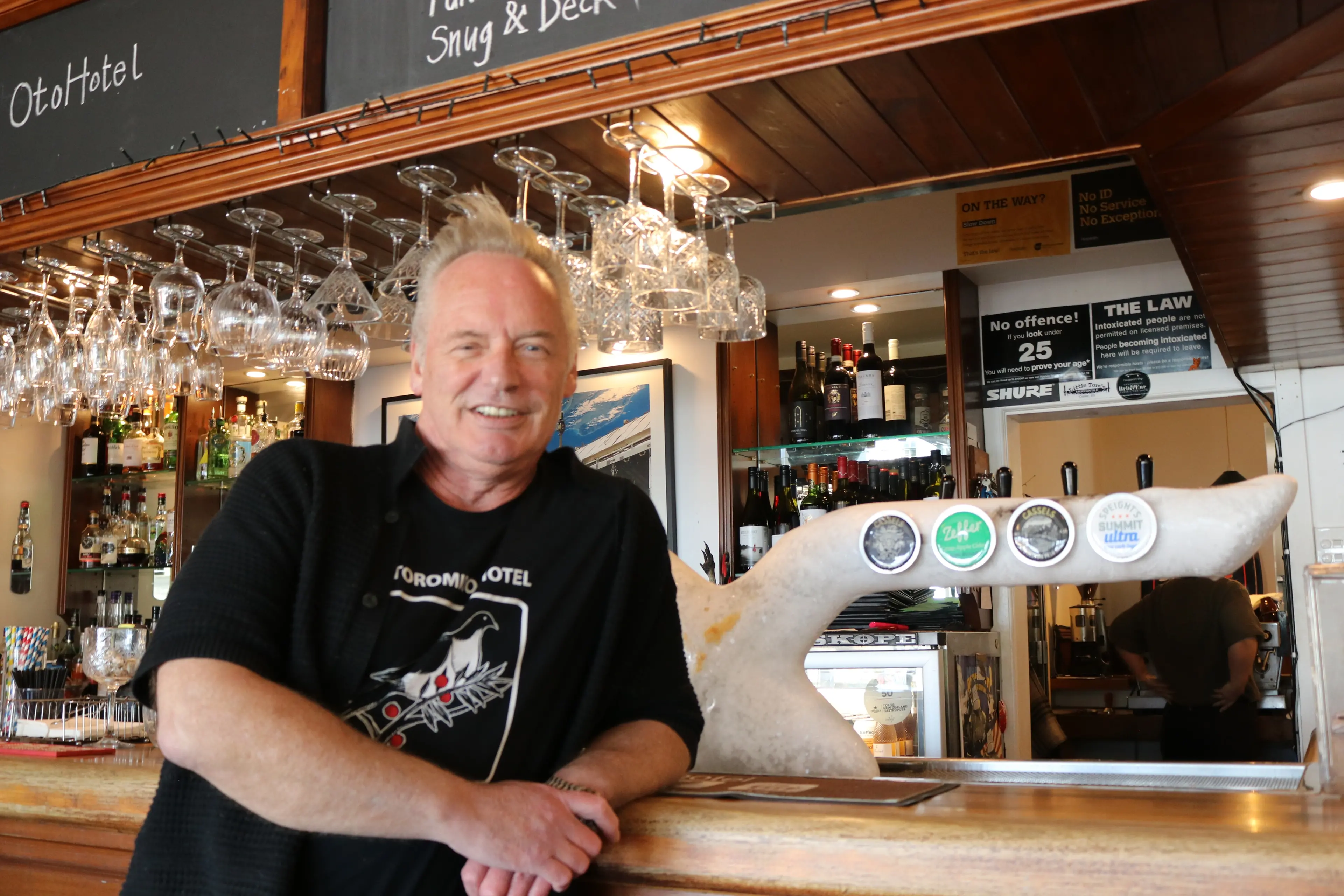
As Jeremy Dyer put the final touches on the Ōtoromiro Hotel before its new tenant took the keys last week, he recalled his time in the hospitality industry, what the pub means to the community and reflected on his life with his late wife Clare. Kees Chalmers reports.
When Canterbury hotel owner Jeremy Dyer worked his first hospitality job behind the bar of an old London pub, he was taught the customer is always right.
He has called last drinks on a hospitality career spanning more than four decades, during which he has worked, managed and owned venues around the world. And he has learnt that age-old rule is “total bollocks”.
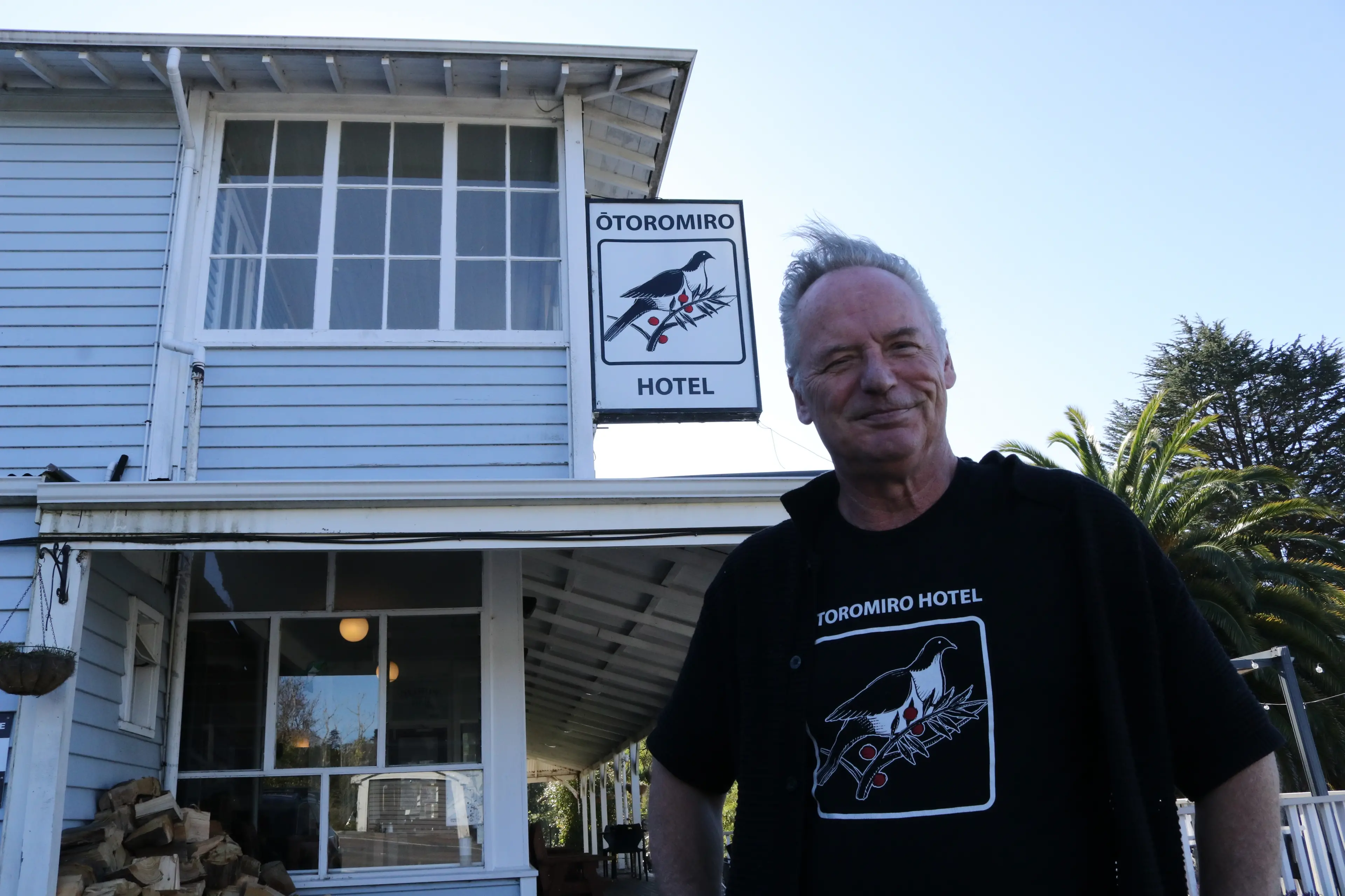
Dyer, 62, has sold his Ōtoromiro Hotel business in Governors Bay after running it with his late wife, Clare Neville-Dyer, for 23 years.
Clare died in June after a 45-day battle with a rare and aggressive form of leukaemia.
Hospitality was never part of Dyer’s grand plan. He fell into the industry after being told not to return to Christ’s College for his final year.
During the school holidays, while his parents Peter and Lavinia were away, he threw a massive party that attracted about 500 people.

Police eventually shut it down and word of the debauchery made its way back to the school.
“It wasn’t like ‘You’re expelled’, but just ‘don’t come back next year’,” he said.
Fortunately, he had done well enough in sixth form to go straight into tertiary study. Two years into a Bachelor of Arts, majoring in politics and business administration, he headed to London.
His first job was behind the bar at Tom Cribb, an old theatre district pub, earning £40 a week.
Dyer later worked at the Old Rangoon in Barnes before spending the final part of his three years in London at The Limelight nightclub, a celebrity haunt where he rubbed shoulders with the likes of Rowan Atkinson, Motörhead frontman Lemmy and Johnny Rotten, vocalist for the Sex Pistols.
The nightclub occupied a converted Gothic church spread across four levels. Celebrities had a VIP room on the top floor, while the cellar housed the venue’s resident cocaine dealer.
Asked what first appealed to him about hospitality, Dyer paused, chuckled and admitted: “It was pretty good for hooking girls, to be honest.”
Working at The Limelight also had financial perks, with Dyer pocketing at least £100 a night in tips.
He returned to New Zealand to finish his degree before heading to Melbourne.
Although he intended to use his qualifications, it was a difficult time for graduates entering the job market, so he fell back on hospitality.
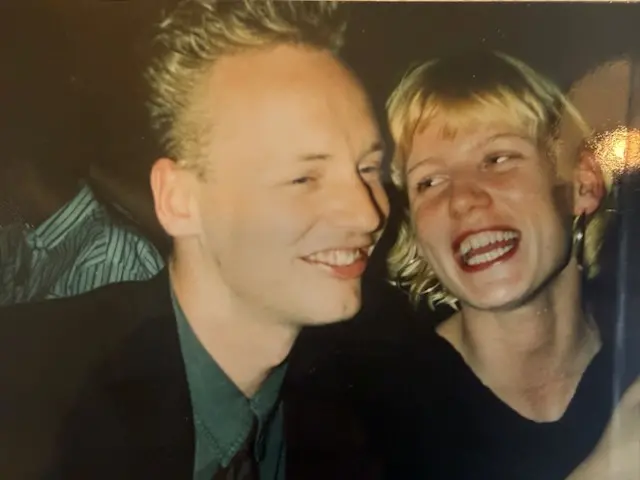
He met Clare at The Last Aussie Fishcaf, a famous 1950s-style seafood restaurant owned by celebrity chef Iain Hewitson. Clare was the restaurant manager while Dyer worked behind the bar.
“We were initially friends but we fell in love pretty quickly, moved in with each other pretty quickly and she got pregnant pretty quickly,” he said.
The couple lived on Dyer’s wages while saving Clare’s tips. He reluctantly sold his Mercedes-Benz to buy a Volvo station wagon for the growing family.
“Clare said it never affected her desire to go on further dates with me but I think it was a bit of a chick magnet,” he said.
Dyer went on to manage The Metropolitan Hotel for six years, his first step into the accommodation sector, where he formed a close friendship with the owner and learned valuable business lessons.
“We sort of took it from a ten grand a week sort of operation to 50 grand week,” he said.

The couple later took a gamble, selling their house to buy the lease for the Athelstane Hotel in Queenscliff.
Looking back, Dyer describes the decision as foolish but says it proved invaluable to their business education.
Marketed as a romantic destination, the hotel earned a place in The Age Good Food Guide, one of Melbourne’s highest hospitality honours.
Their lives changed in 2003 when Dyer’s parents mailed them a newspaper advertisement for a hotel for sale in Governors Bay.
Within a week they had flown to Christchurch and bought it.
Clare moved to New Zealand with their sons, Hugo and Louis, while Dyer stayed behind to run the Athelstane until the new owners took over about a month later.
When the Dyers arrived, the hotel was a far cry from today’s family-friendly venue.
Formerly known as the Smugglers Arms, it had earned a reputation as a hangout for biker gangs.
“There are stories of motorbikes going up in flames in the carpark, sex on the pool tables, one of the former publicans had a shotgun under the bar to keep people in line,” he said.
Dyer credits previous owner Tony Adcock, who ran the pub for three years before the Dyers arrived, with beginning the process of changing that reputation.
The Dyers continued that transformation. One of their first decisions was to remove gambling machines from the hotel, despite the financial risk.
Dyer remembers finalising their mortgage and sitting in a Riccarton bar when he watched someone feed what looked like a week’s wages into the pokies.
“We don’t want to make our money like that,” he said.
“Based upon our history, we never recognised gambling as a way to profitability. It’s something that, for me, is the total antithesis to hospitality.
“One of our locals Sam always calls me an alcoholic’s labourer. I guess we peddle a drug and I didn’t want to add the sins of gambling as well.”
Not long afterwards, a man thanked him for removing the pokies, admitting he hadn’t realised how much money he had been losing. Dyer also noticed people spent more time talking to each other instead of feeding the machines.
The hotel often flies Ukrainian and rainbow flags in support of the LGBTQ+ community, a decision that once earned it a one-star Google review.
“I’ve always felt that hotels should be welcoming and inclusive to everyone. It should be a place where everyone feels safe to have a meal or a drink,” he said.
He has also boycotted American bourbon and whiskey in protest at Donald Trump’s tariffs and, in 2020, adopted Ōtoromiro, the original te reo Māori name for Governors Bay.
“It may be dismissive of our colonial history, I don’t really care. It reflects a much longer history going back five or six hundred years of what the area was known as prior to that,” he said.
To most locals, though, the name hardly matters.
“It’s just the pub.”
Despite admitting his reasons for entering hospitality were once fairly shallow, Dyer says it is the role he has played in the Governors Bay community over the past 23 years that has made the career worthwhile.
“There’s a lot of customers that will be sad to see me go, but there’s going to be a few that think I’m a complete wanker and will be happy to see me go,” he joked.
One of the biggest changes he has witnessed in hospitality is the rise of online reviews.
While most of the Ōtoromiro Hotel’s Google and travel website reviews are positive, Dyer admits he secretly enjoys responding to the occasional one-star review.
The first negative review the hotel received, in 2009, particularly annoyed him.
Dyer responded and told him he was unqualified and had spent his entire visit staring at old ladies’ asses.
Almost immediately he received a call from the regional manager of Hospitality New Zealand who said, “Jeremy, what the f**k are you doing”.
“The old theory that the customer is always right is absolute bollocks. Anyone who’s worked in hospitality and retail knows,” he said.
Running a destination hotel has also meant dealing with the realities of seasonality.
“June, July and August we lose money hand over fist. But what do you do? Shut down and restaff every nine months? It’s really not an option,” he said.
“So you’ve just got to grind it out and try and reduce your overheads as much as you can and bank on the fact you’re going to have a good summer.”
The hotel has weathered the Covid-19 lockdowns and the March 15 terrorist attacks, but the Canterbury earthquakes proved to be both the biggest challenge and, unexpectedly, one of the biggest opportunities.
The September 2010 earthquake caused the most damage, smashing more than 50 windows and sending chimneys crashing through guest rooms. At first, Dyer feared the historic building would be written off, but most of the damage turned out to be superficial.
After the February 2011 earthquake, he expected business to suffer as tourists disappeared. Instead, once repairs were completed, the hotel flourished.
With much of Christchurch’s hospitality sector closed, locals flocked to Governors Bay, turning what Dyer thought would be a disaster into one of the busiest periods the hotel had experienced.
Although he is stepping away from running the business, Dyer’s connection to the pub will remain. He is retaining ownership of the building and land and says he will do what he can to help the new tenant succeed.
Christchurch businessman Kartik Anand was set to officially take over the hotel on Augusat 18.
For Dyer, the timing is bittersweet.
He and Clare had spent the past three years trying to sell the business so they could finally retire together. They reached an agreement with Anand just one month before Clare was diagnosed with leukaemia.
“There’s a little bit of survivor guilt. Clare won’t enjoy the well-deserved retirement with me,” he said.
“With the passing of Clare, my heart’s really gone out of it so it’s a good time for me to move on.”
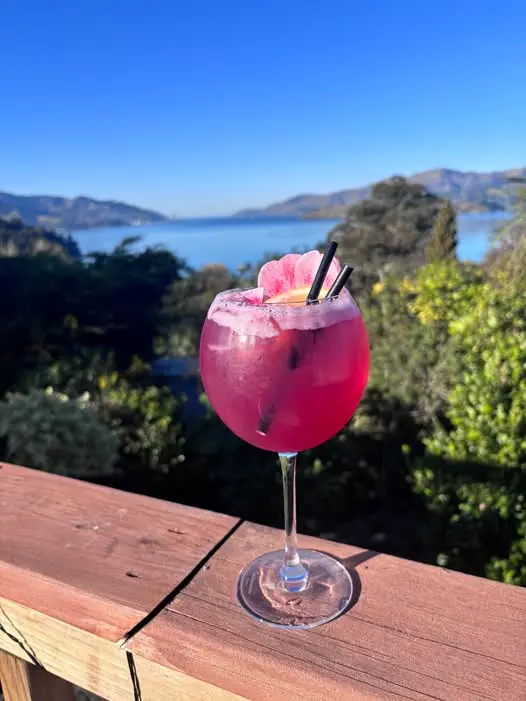
Dyer introduced the Clarebelle to the hotel’s menu two weeks ago, a cocktail honouring Clare.
Made with Little Biddy Gin, St Germain elderflower liqueur, raspberry purée and topped with Jansz Cuvée Brut, $2 from every sale will be donated to NZ Blood Cancer to support others facing the disease.