
PHOTO
Another Canterbury museum has unveiled plans for a major redevelopment, which its board says is essential to protect its precious displays.
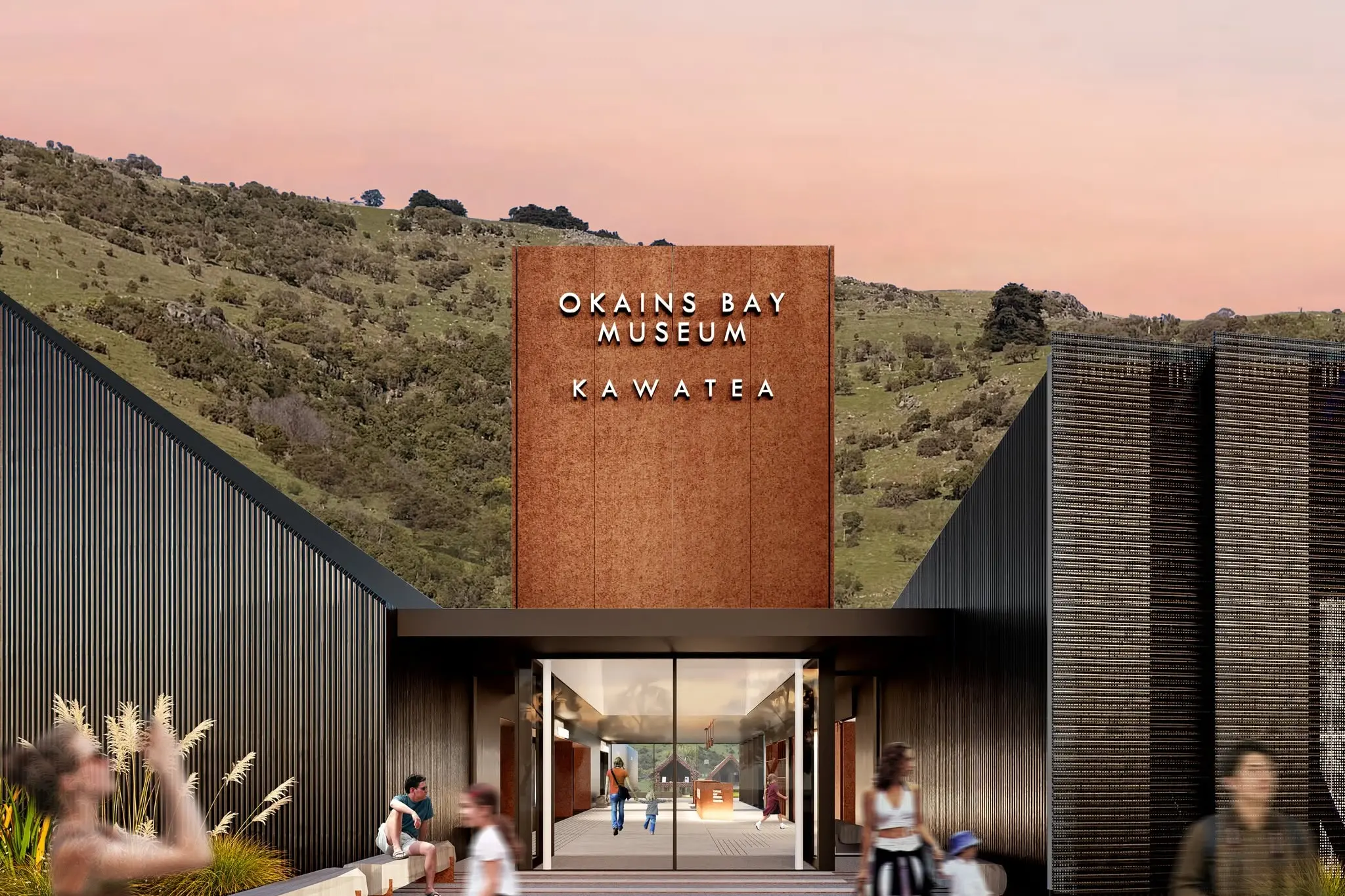
Banks Peninsula’s Okains Bay Museum has released design plans for its proposed redevelopment. The museum opened in 1976 and houses a nationally significant collection of more than 20,000 Māori and colonial artefacts.
The board asked MAP Architects to develop a concept plan for a new whare taonga and upgrades to the wider museum complex, which have been published on the museum’s website.
The board was now working with Christchurch City Council on district planning requirements and consenting processes, before embarking on community consultation.
A fundraising campaign was expected to follow, although the cost of the proposed redevelopment was yet to be determined.
It comes after Te Ūaka The Lyttelton Museum Society announced earlier this month it is seeking more than $8m from Christchurch ratepayers to go towards a permanent home for its collection.
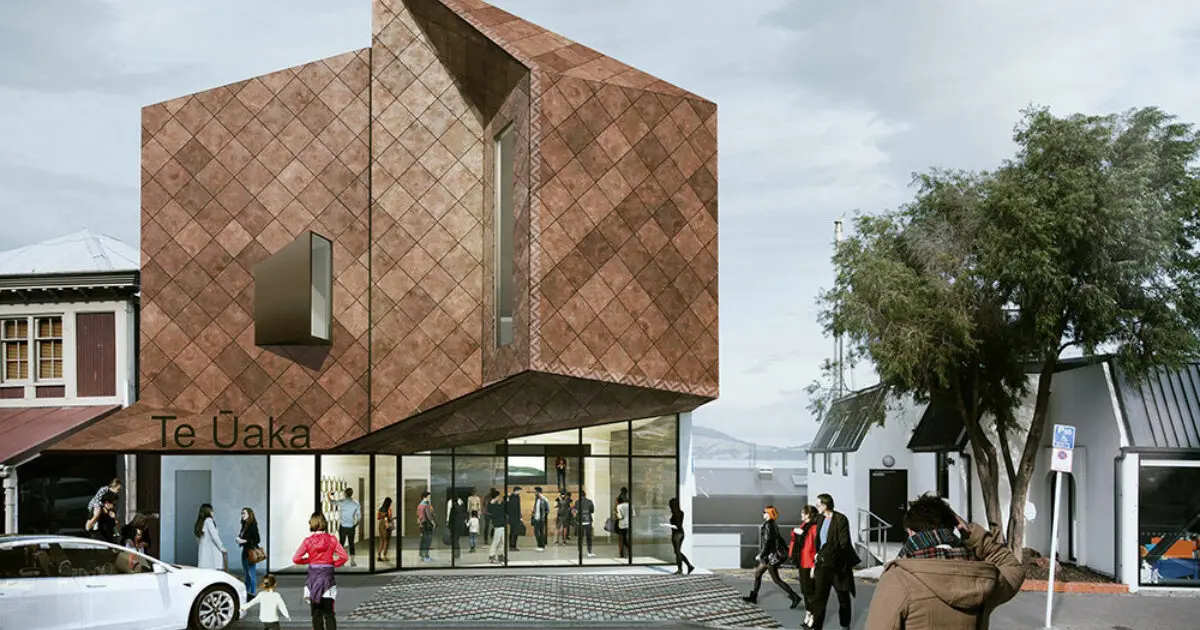
The Te Ūaka The Lyttelton Museum Society made a submission to Christchurch City Council’s Long Term Plan 2027-2037, requesting $8m as part of a wider campaign to rebuild the museum. In its submission, it said the rebuild would be a “once in a lifetime” opportunity to restore a cultural institution.
Meanwhile, Canterbury Museum on Rolleston Ave in central Christchurch is currently undergoing a $262m rebuild. The museum recently asked Canterbury councils and central government for an extra $64 million to cover the cost of the redevelopment after a budget blow-out. The project had an original price tag of $205m, which rose to $247m last year, but escalating construction costs and funding delays have pushed it to almost $262m. Canterbury Museum's board previously said it needed help plugging the shortfall of almost $92m to keep the museum on track to open in mid-2029.
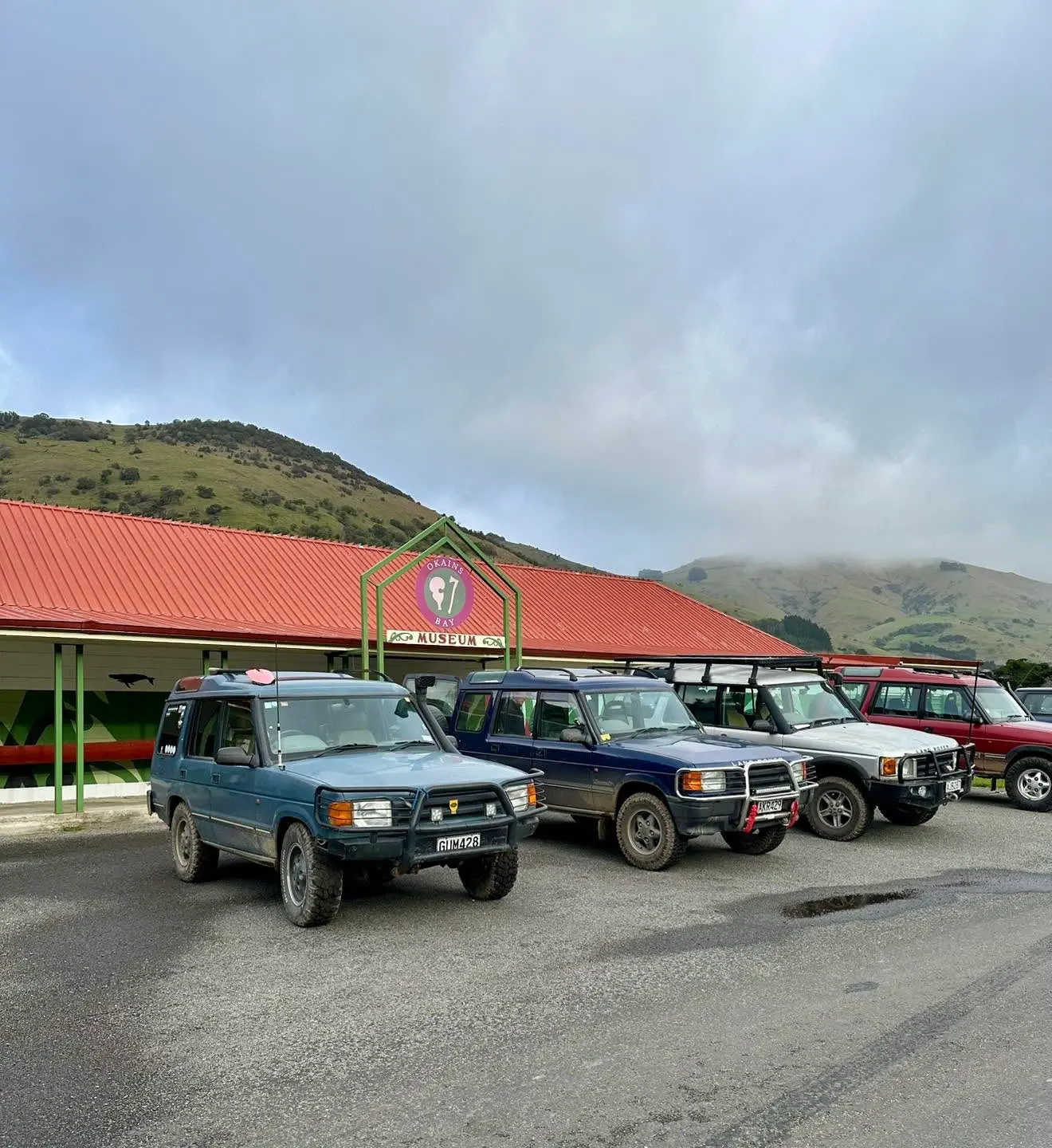
Outgoing Okains Bay Museum board chair Helen Brown said one of the reasons for its rebuild is the current building on Okains Bay Rd was not fit for purpose.
“The current building in which the taonga Māori are housed has sub-optimal conditions. It is a building which fails on multiple levels. It doesn’t meet best practice standards and it is prone to temperature and humidity fluctuations,” she said.
Brown said a feasibility study was carried out in 2020 and the board decided to develop the concept plans last year.
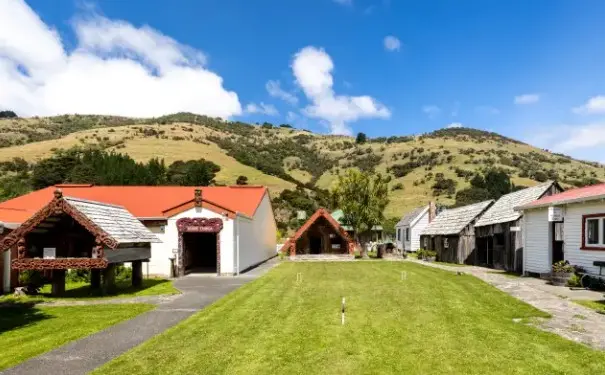
The long house would emulate a wharenui or farm shed and the courtyard of heritage buildings relocated from around Banks Peninsula would remain, she said.
“That character that many people know and love will remain,” Brown said.
“The building that is called the colonial hall will remain but will be refitted and has a facade added to the front. There is a link building that connects that building to a new long house.
“This is all aspiration of course and concept level at this stage.”
Brown said the museum board also wanted to incorporate public amenities, including community and education spaces and after-hours toilets.
The board said the plans visualised “enhanced collection storage, refreshed exhibition spaces and flexible new areas that can be used by local community and school groups and pre-booked tours for years to come”.
The museum marked 50 years of hosting the South Island’s biggest and longest-running Waitangi Day commemorations on 6 February.
The museum and annual event were the brainchild of the museum’s founder Murray Thacker, whose passion for preservation formed the foundation of the collection, from waka to wagons, taonga puoro (traditional Māori instruments), kitchenalia, a blacksmiths forge and hei tiki.
The museum began as Thacker’s private collection, as the great grandson of some of the earliest Pākehā settlers in Okains Bay.
The first Waitangi Day commemoration was held at the museum site in 1976 when an open day raised funds to finish the buildings, with the museum officially opened a year later on Waitangi Day 1977.
- RNZ and Allied Media