

PHOTO
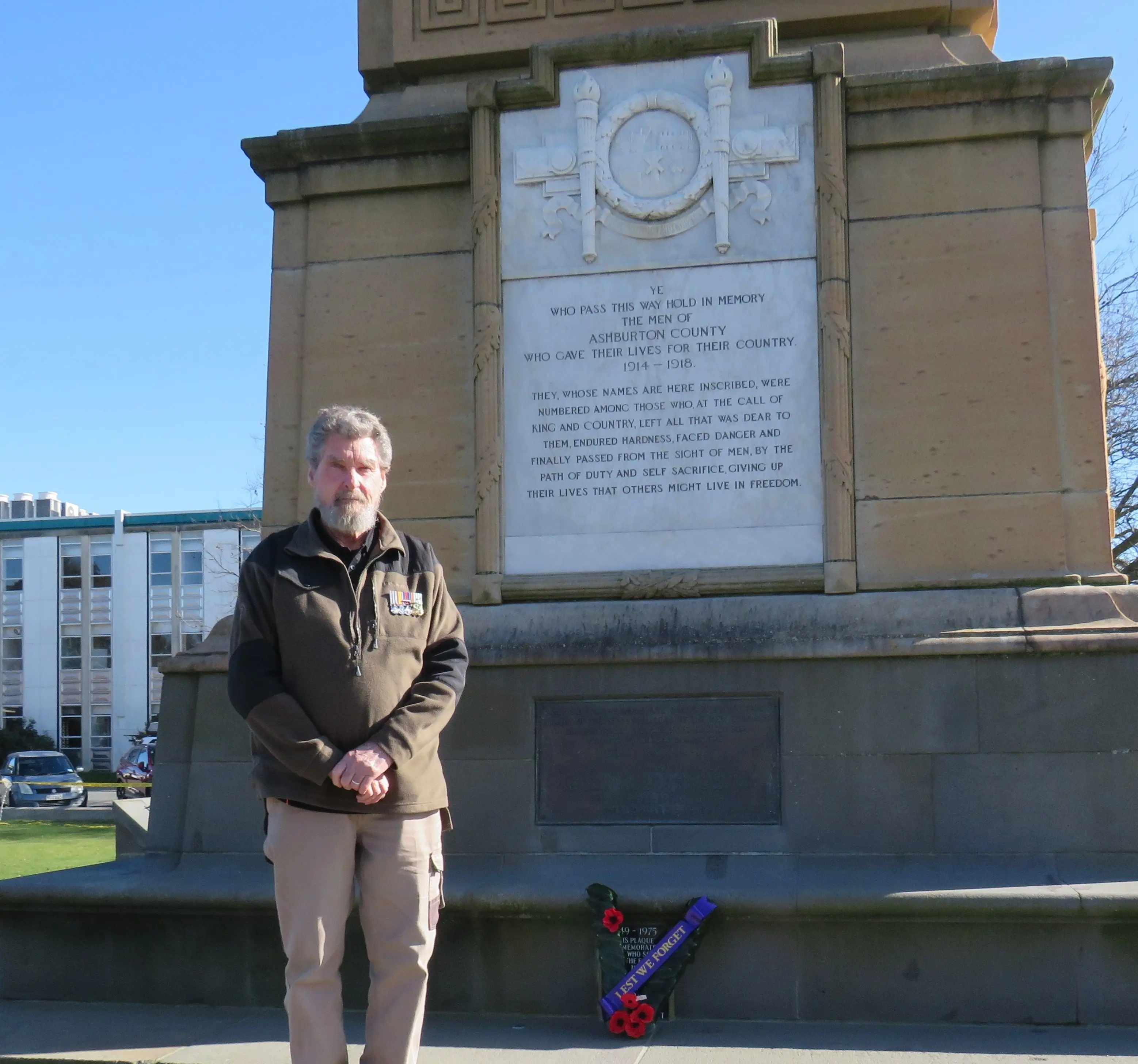
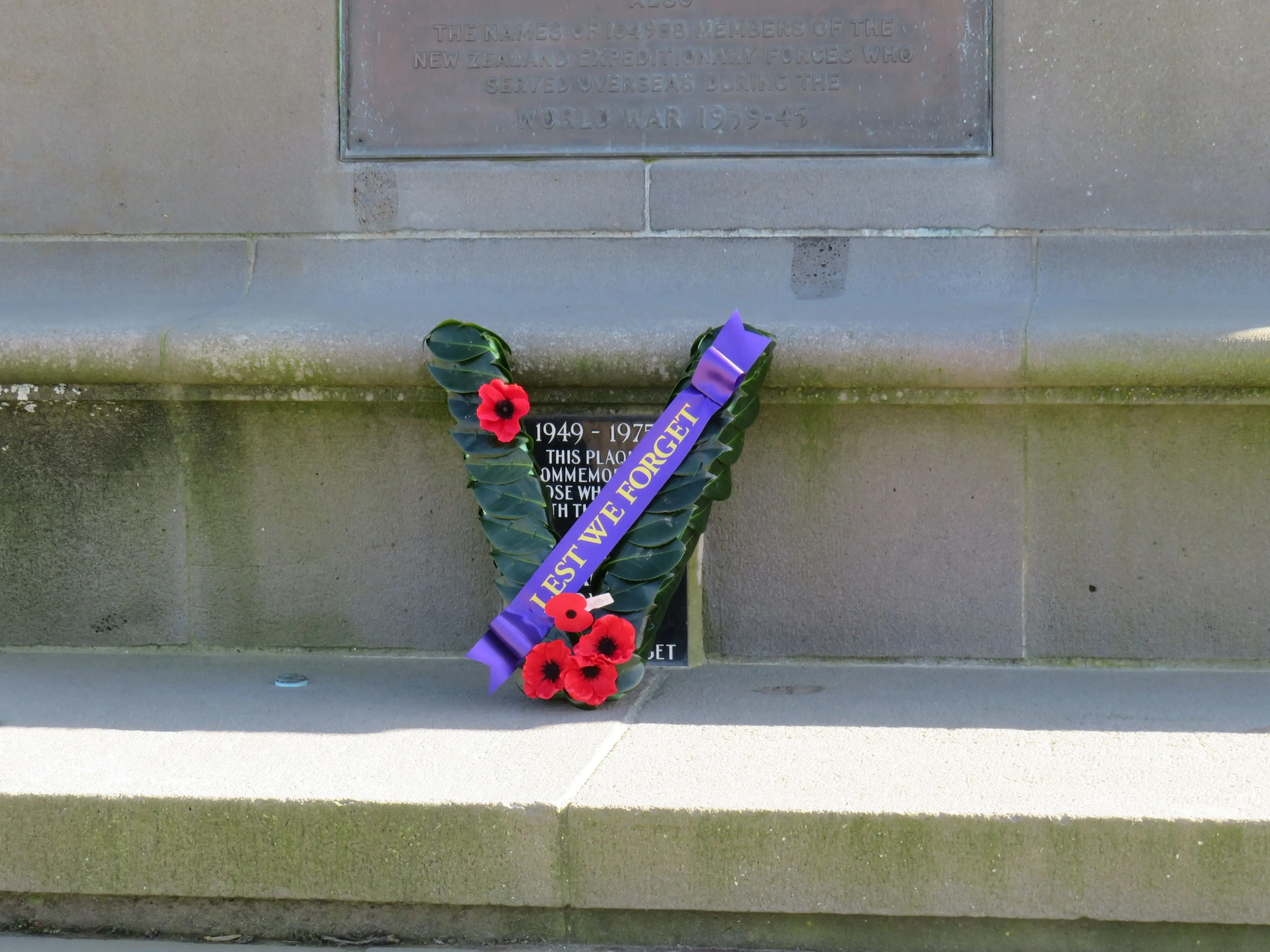
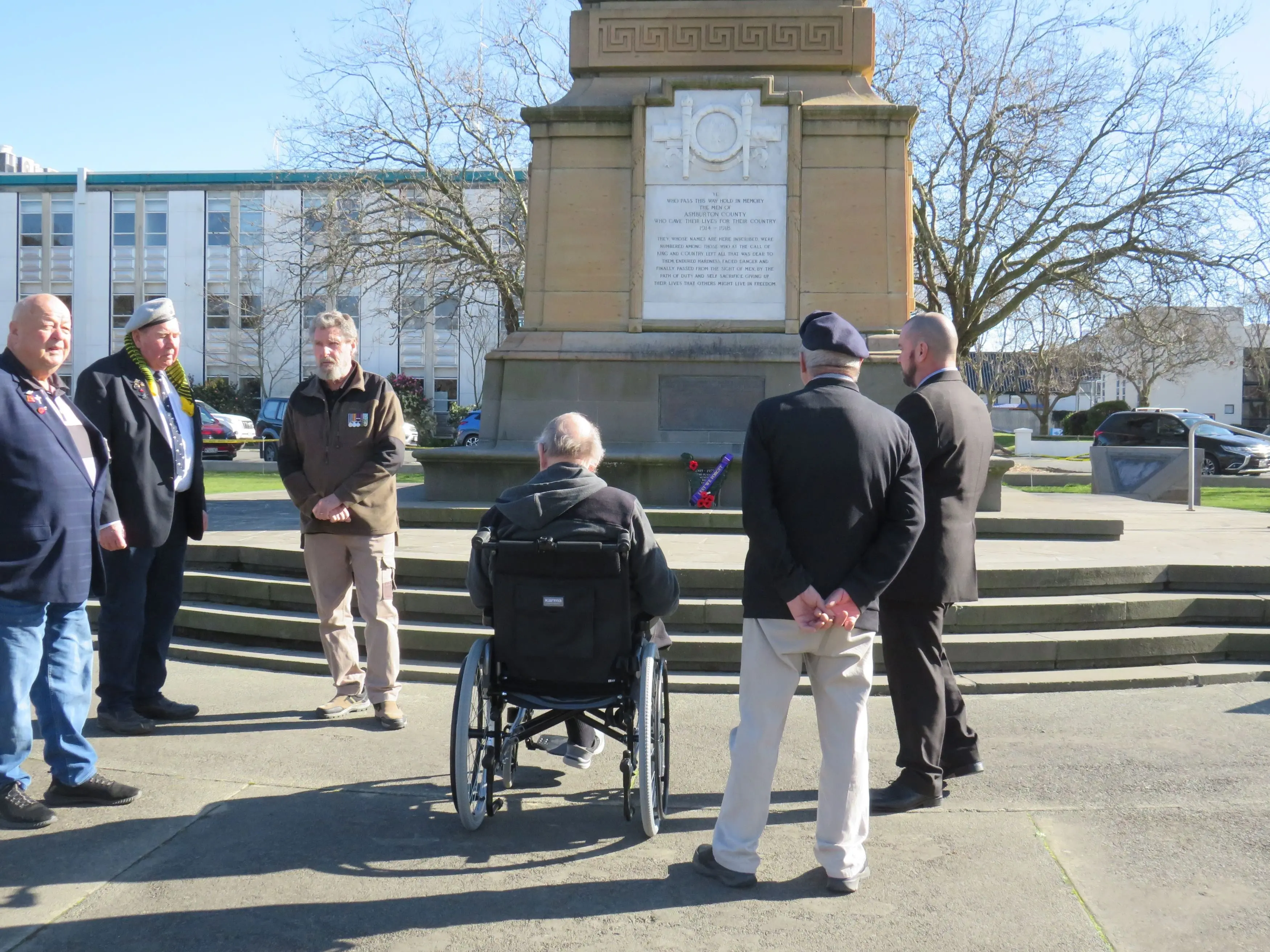
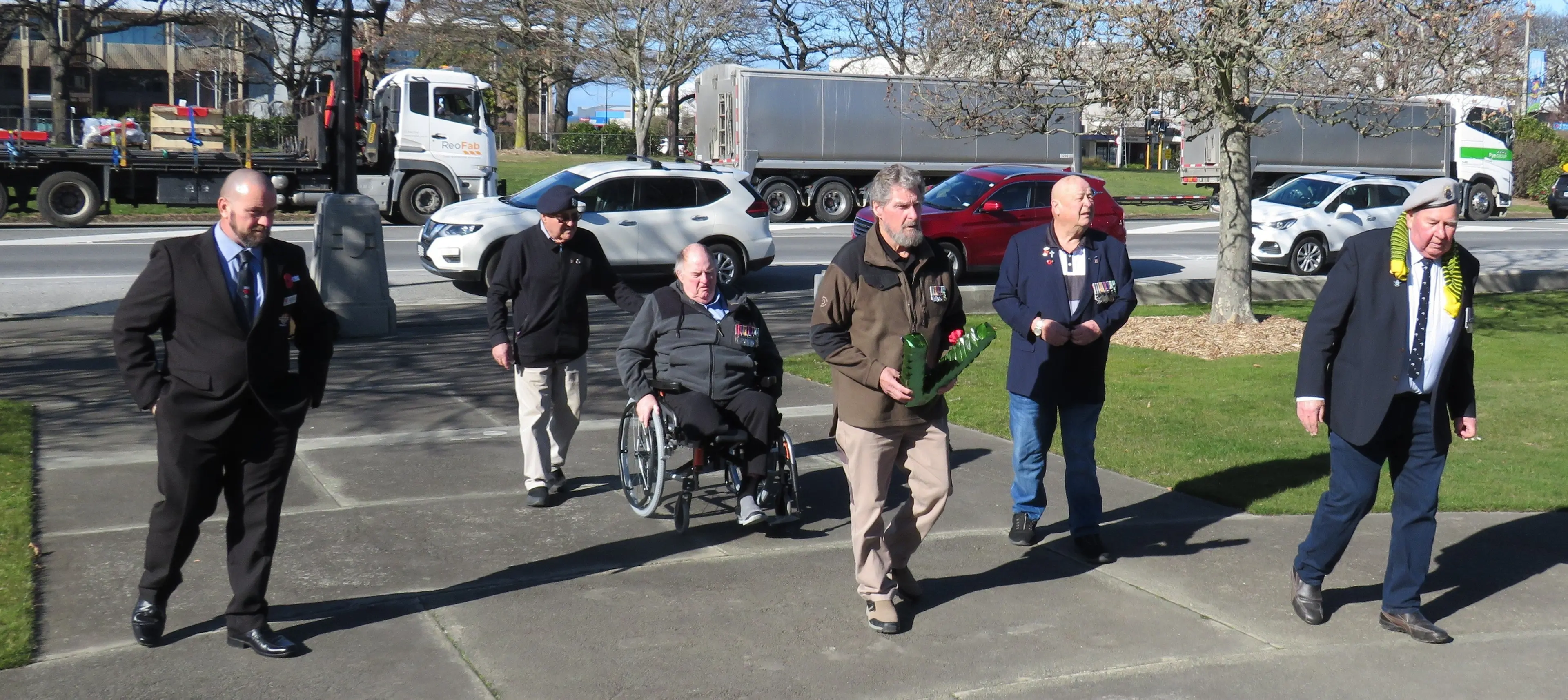
Their numbers may be declining — but a remaining few veterans gathered at the cenotaph in Ashburton for Vietnam Veterans’ Day on Tuesday.
The day is observed in New Zealand and Australia on the anniversary of the Battle of Long Tan.
It has become an annual pilgrimage for veteran Graeme Munro, 81, from Ashburton, who served with the 41st Squadron of the Royal New Zealand Air Force and has been visiting the Ashburton Cenotaph for the past 11-years to remember those he served with.
He was joined by fellow Ashburton veteran Barry Wilson, 81, who served with Victor Company, and Timaru veterans David Arps, 85, who deployed with 1st Australian Logistical Support Group, and Terry Farrell, 80, who served with 161 Battery, and Temuka’s Paul Hanson, 80, who served with the 5th Royal Australian Army Service Corps.
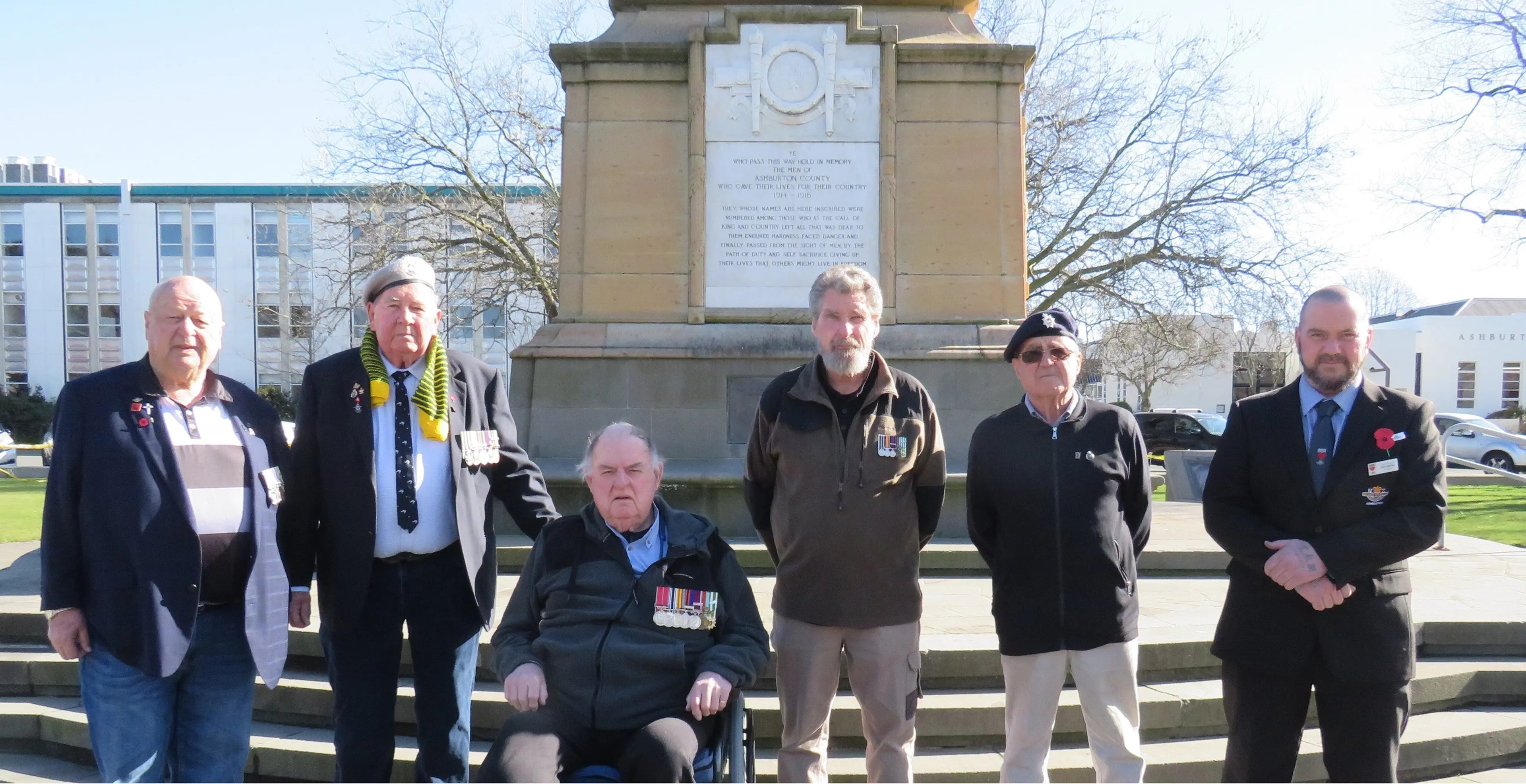
Ashburton RSA president Rob Aldridge was also present.
This year marks a special anniversary. It is 60 years since the Battle of Long Tan, which the Anzacs fought together in.
Canterbury District Returned and Services Association president Michelle Brown said it was important to remember all veterans who had served New Zealand but there was something special about Vietnam veterans.
“New Zealand troops who were deployed to Vietnam were not well supported by the public at that time,” Brown said.
“It was an unpopular war on many fronts.
“These veterans were not made to feel welcome when they arrived home.”
During New Zealand’s involvement, more than 3000 military and civilian medical staff were deployed to the conflict zone.
The war began in 1960 and ended in 1975.
It was fought between the communist Democratic Republic of Vietnam (North Vietnam) and the US-backed Republic of Vietnam in the south.
It ended with the defeat of South Vietnam in April 1975.
“Remembering the sacrifice of those we lost and the veterans who returned ensures that our modern generation will never forget the human cost of war, Brown said.
“All those veterans who arrived home carry part of that conflict with them which never leaves them.”
Leauanae Laulu Mac Leauanae, chief executive of the Ministry for Culture and Heritage, said in a statement that the Battle of Long Tan was one of the most significant engagements involving New Zealand (and Australian) personnel.
“On 18 August 1966, a three-person New Zealand artillery Forward Observer party, attached to Australian infantry, came under intense attack from a much larger enemy force in the Long Tan rubber plantation.
“In extremely difficult conditions, Captain Maurice Stanley, Lance-Bombardier Murray Broomhall, and Signaller Willie Walker kept communications open and directed artillery fire that was critical to the outcome of the battle.
“They were supported by the gunners of 161 Battery, Royal New Zealand Artillery, based at Nui Dat.
“Working with Australian and American artillery units, they delivered sustained and accurate fire that helped prevent the defending force from being overwhelmed.
“The Battle of Long Tan showed the courage, professionalism and teamwork of New Zealand and Australian personnel under immense pressure.
During New Zealand’s 12 years of involvement in the war, 37 military personnel and two civilians with the surgical and Red Cross teams were killed, and 187 wounded.
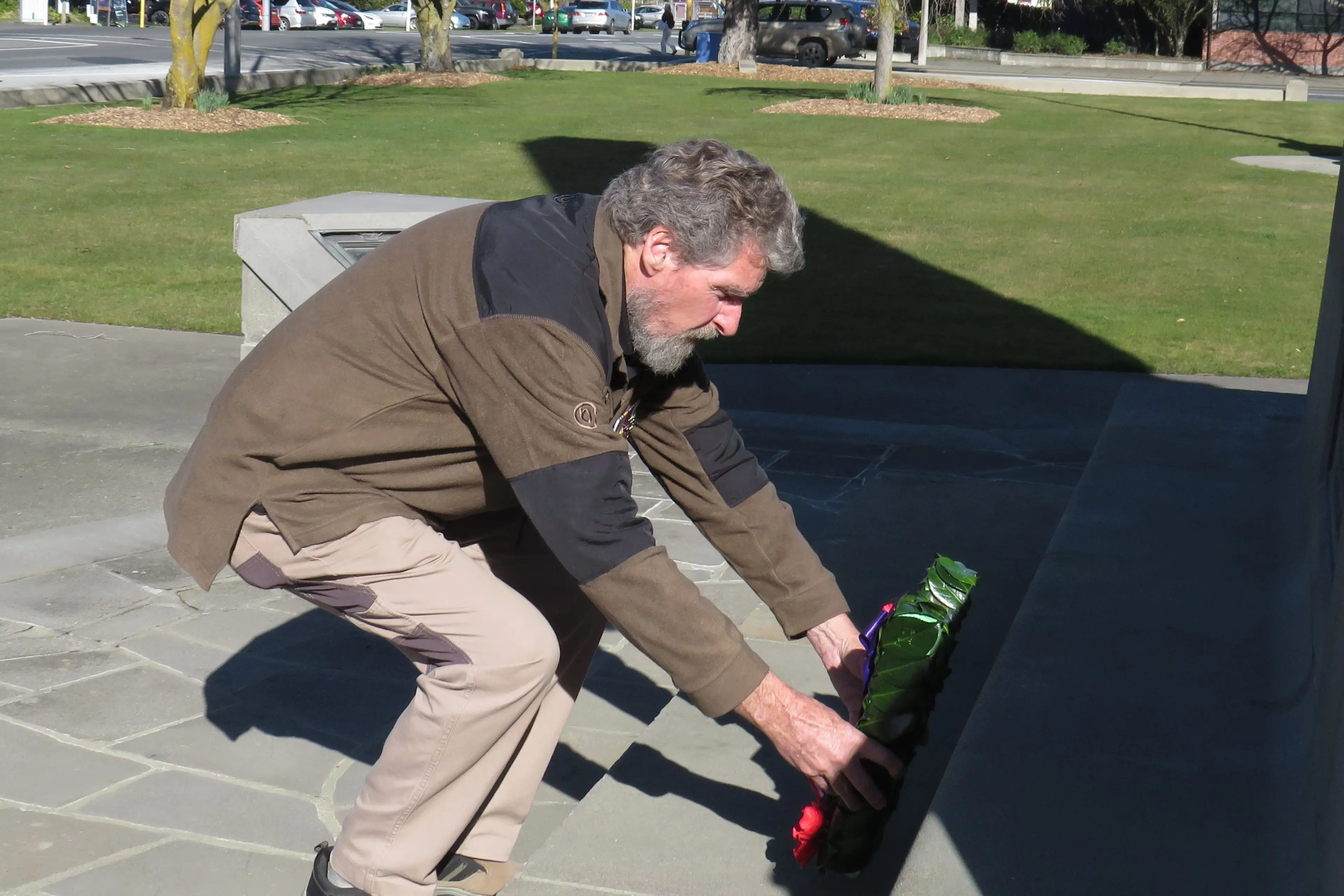
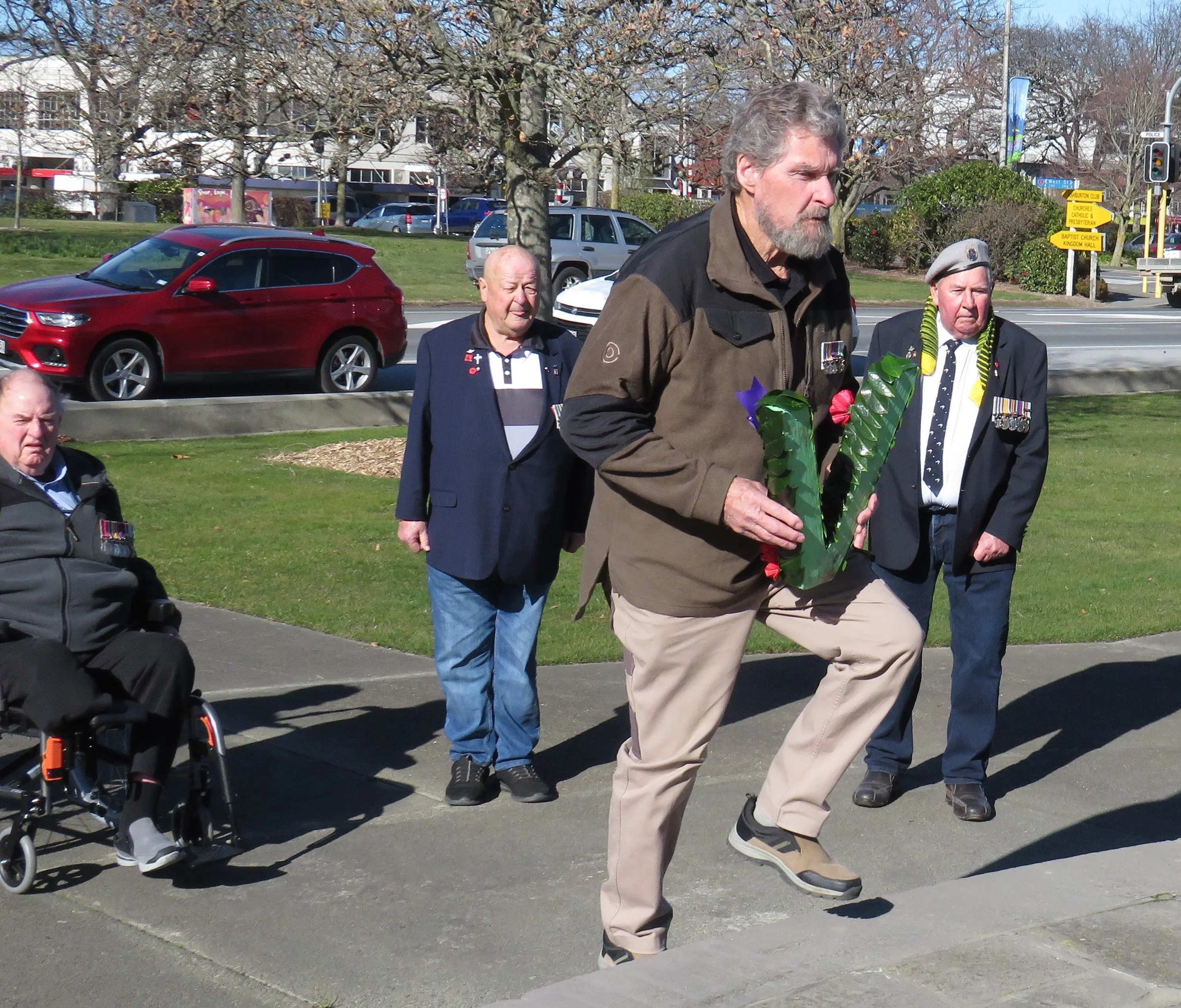
Today, the wreath laid at the Ashburton Cenotaph by Terry was made by Graeme’s wife Norma who served in the air force.
Graeme said he had fond memories of his time in Vietnam.
“There was military action all the time. The amount of aircraft and their movements was something I will always remember.’’
His war efforts saw him fly into Vietnam on a Bristol Fighter, helping deliver supplies.
They flew out of what is now Changi Airport in Singapore to Saigon.
The usual route was to then fly in high over South Vietnam, across where the Battle of Long Tan had been fought and then corkscrew down to the airport to avoid enemy fire.
‘‘There was definitely heavy machine gun fire. There were no heroes. It was nice to get out of there,’’ Graeme said.
Just as there was no fanfare or community celebration when they returned from the Vietnam War, there was no public ceremony in Ashburton for the annual day.
Those attending the remembrance said it was about coming together to remember those they served alongside.
“We must never forget those who died and the war we served in.”