
PHOTO
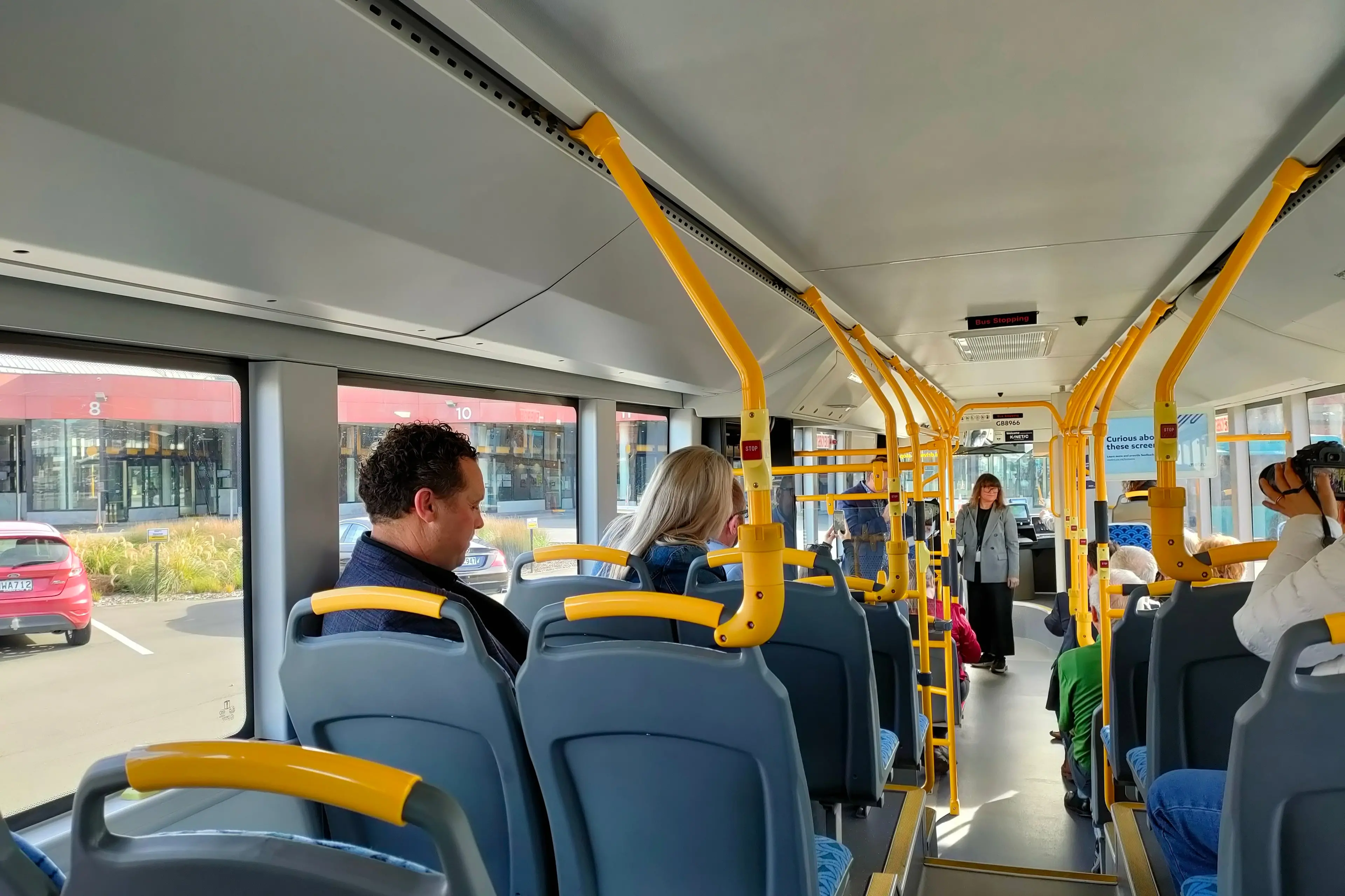
Urban ratepayers could be facing a rates hike, as Environment Canterbury (ECan) looks to invest in a public transport system to meet future needs.
Councillors have been briefed by staff in recent weeks on the cost of achieving regional transport goals, including boosting bus services and building a case for mass rapid transit.
Councillors have asked staff to cap the average rate rise at 2.9 percent for the 2027/28 financial year.
But staff estimates during a recent briefing indicated a 2% average rate rise would likely result in public transport services being reduced.
Initial staff analysis indicated an average rate rise of 5% would maintain public transport services at their existing levels, while a rate rise of more than 8% would be needed to provide the boost promised in the Public Transport Futures policy.
Public transport is a targeted rate for Greater Christchurch and Timaru residents, meaning those ratepayers may need to consider what they are willing to pay for.
ECan public transport co-lead Cr Nettles Lamont said options, including funding requirements and rates impacts will be included in next year’s draft 2027/37 Long Term Plan.
But the Government has recently highlighted challenges facing transport funding nationally, she said.
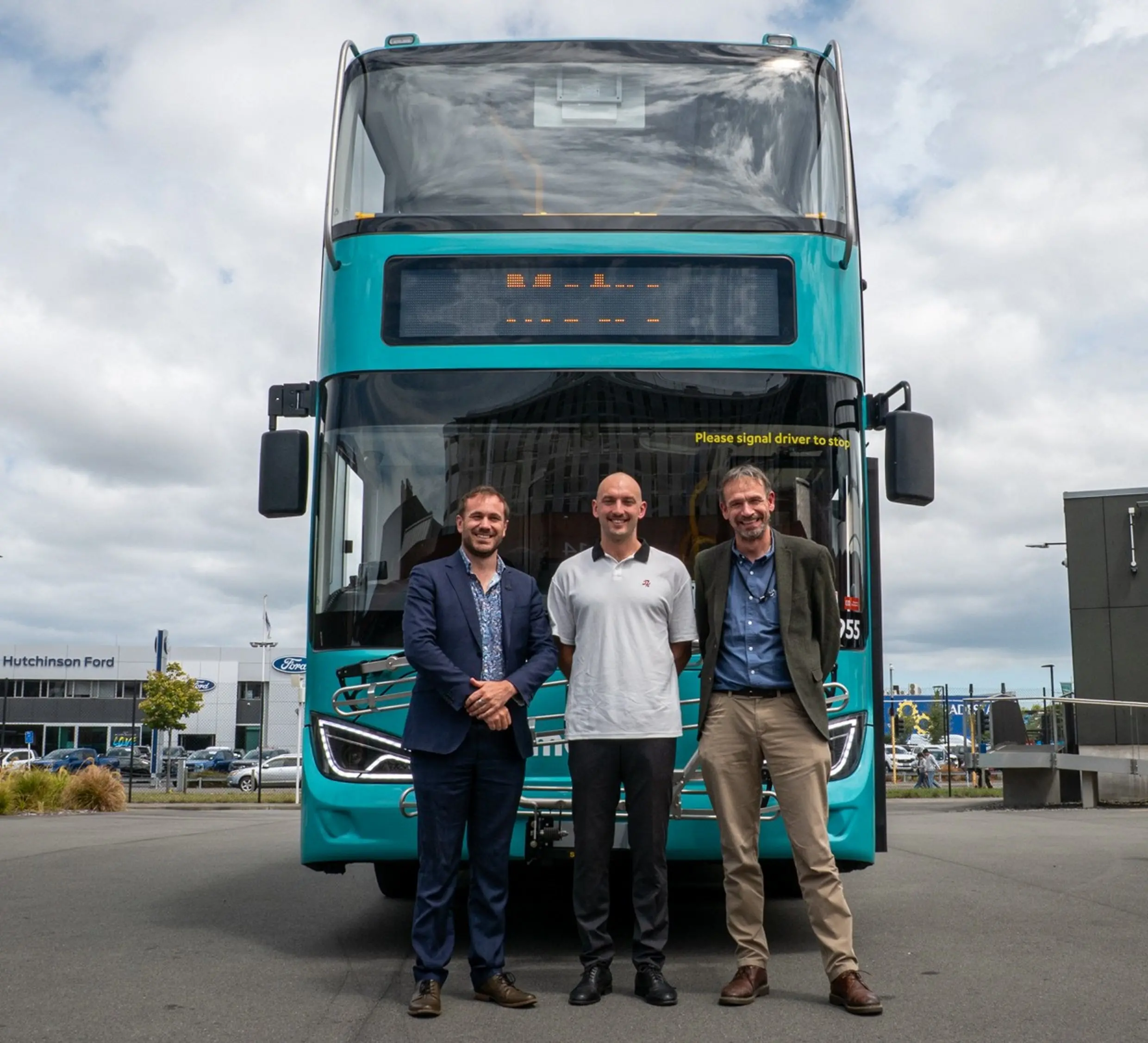
ECan chairperson Dr Deon Swiggs recently joined with other South Island leaders to present a report to Parliament on transport funding.
The report argued that the South Island was not receiving its fair share of Government funding.
Public Transport Futures is a policy of the Greater Christchurch Partnership (Christchurch, Selwyn, Waimakariri and ECan) to provide transport support a growing population, which is projected to reach one million people within 50 years.
The policy includes boosting bus routes and developing a business case for mass rapid transit.
ECan proposed a significant boost to public transport funding in its 2024/34 Long Term Plan, until the Government placed a cap on public transport funding.
Earlier this year ECan used transport reserves to boost bus services for Rangiora and Rolleston and add a new service for Aranui. The council hoped Waka Kotahi NZ Transport Agency would commit to its share.
Mass rapid transit is a long term proposal which would offer faster and reliable transport to key destinations.
Options proposed included rail and trackless trams.
During a recent election debate in Christchurch, both Transport Minister Chris Bishop and Labour’s infrastructure spokesperson Kieran McAnulty expressed interest in the proposal.
But they said there were a number of factors to consider and they looked forward to seeing a business case.
Another challenge for ECan is the cost of customising buses for the Christchurch bus interchange, which can range from $50,000 to $75,000 per vehicle, Cr Lamont said.
ECan staff will work with Christchurch City Council, which owns the building, on plans to upgrade the interchange in a bid to reduce costs, she said.
The number of people taking the bus has grown in the four months from March 1 to June 30, compared to last year, with Waimakariri commuters showing the highest percentage increase.
■ LDR is local body journalism co-funded by RNZ and NZ On Air.