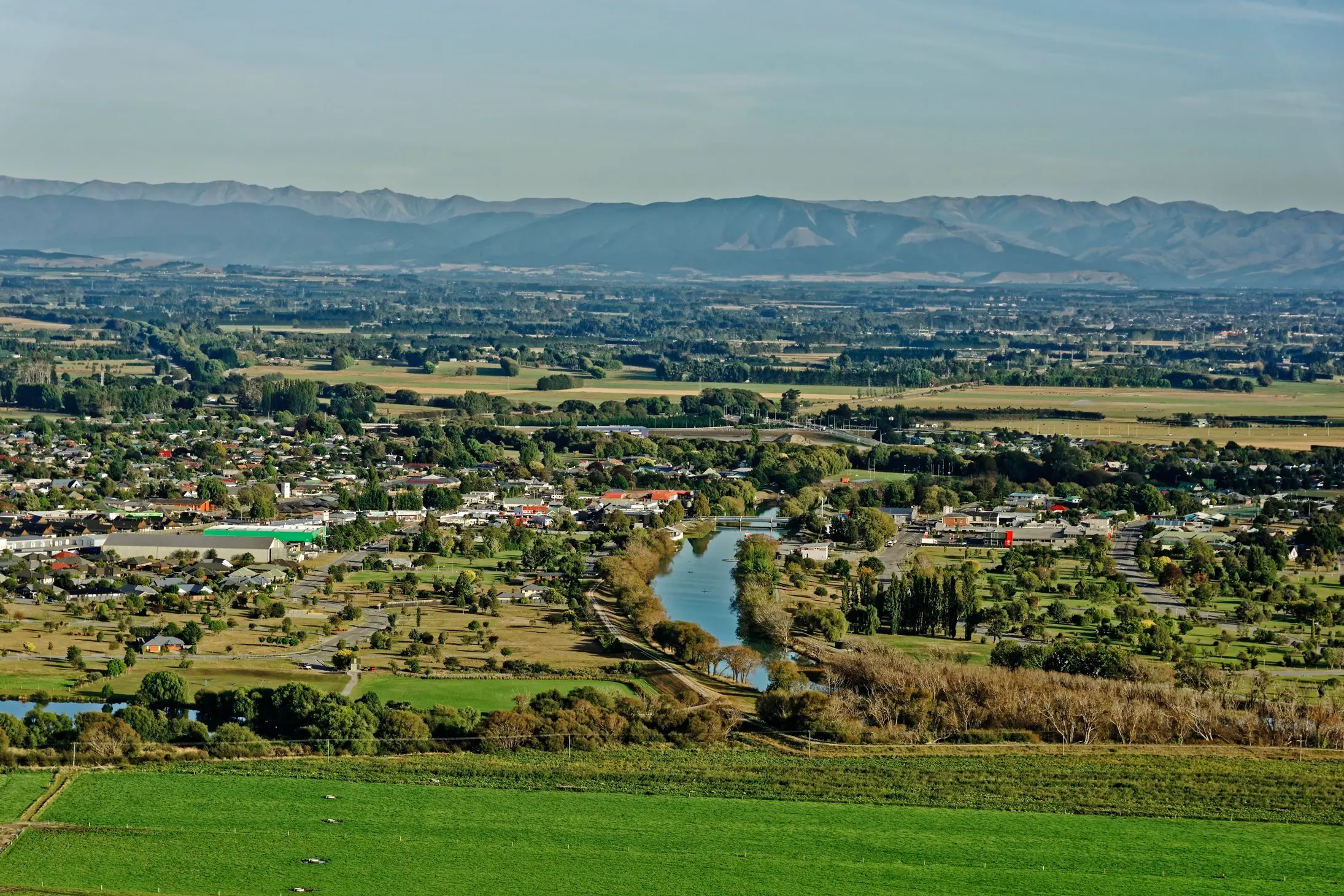

PHOTO
Council performance data released last week do not tell the full story, a North Canterbury council boss says.
The Government published new performance metrics last week, including figures on council rates revenue, debt and staff costs.
Local Government Minister Simon Watts said the report gives clear facts and figures directly into the hands of ratepayers.
But Waimakariri District Council chief executive Jeff Millward said the figures need some context to tell the full story.
“We publish these stats annually so they’re not new.
“Comparisons can be useful, but each council serves different communities with different needs, pressures, and priorities, so without context this can be misleading.”
Waimakariri was one of New Zealand’s fastest-growing districts, with rapid population growth and ongoing development which put pressure on infrastructure and services, Mr Millward said.
It did not make sense to compare high-growth districts with smaller councils with a static or declining population.
Some councils did not provide things like covered swimming pools, libraries or three bin waste collection services, Mr Millward said.
“The data provides a useful starting point, but it doesn't tell the whole story, and it doesn’t show the value the council delivers for the community.”
Mr Millward said a recent council customer satisfaction survey found 89 percent of respondents were neutral to very satisfied with the council’s performance.
Mr Watts said releasing the council performance data ensured accountability and transparency for ratepayers.
“Rates are one of the biggest household bills Kiwis pay, yet they have no control over the cost.
“Ratepayers deserve to know where their money is going and how their council is delivering for their community.”
The Waimakariri district had a population of 69,800 in 2025, while the council’s total rates revenue was forecast to increase by 8.5% from 2025 to 2026, due largely to a growing population.
The council’s net debt to revenue ratio was 134.4% last year, and it planned to spend around $250m on capital projects between 2025 and 2027.
In comparison, the Selwyn district had a population of 87,600, with the total rates revenue forecast to rise by 18% from 2025 to 2026.
Selwyn’s net debt to revenue ratio was 89.2% last year and the council planned to spend around $489m on capital projects between 2025 and 2027.
The Hurunui district had a population of 14,350, with the total rates revenue forecast to rise by 5.3% from 2025 to 2026.
The council’s net debt to revenue ratio was 104.4%, but most of the debt was for upgrading the district’s three waters infrastructure and has since been transferred to the new water entity, Kaikōura Hurunui Water Services Ltd.
The Kaikōura district’s population was 4340, with the total rates revenue forecast to rise by 8.9% from 2025 to 2026.
The council’s debt to revenue ratio was 22.4%.
The Hurunui District Council planned to spend nearly $98m on capital projects between 2025 and 2027, while Kaikōura planned to spend around $40.
■ LDR is local body journalism co-funded by RNZ and NZ On Air.