
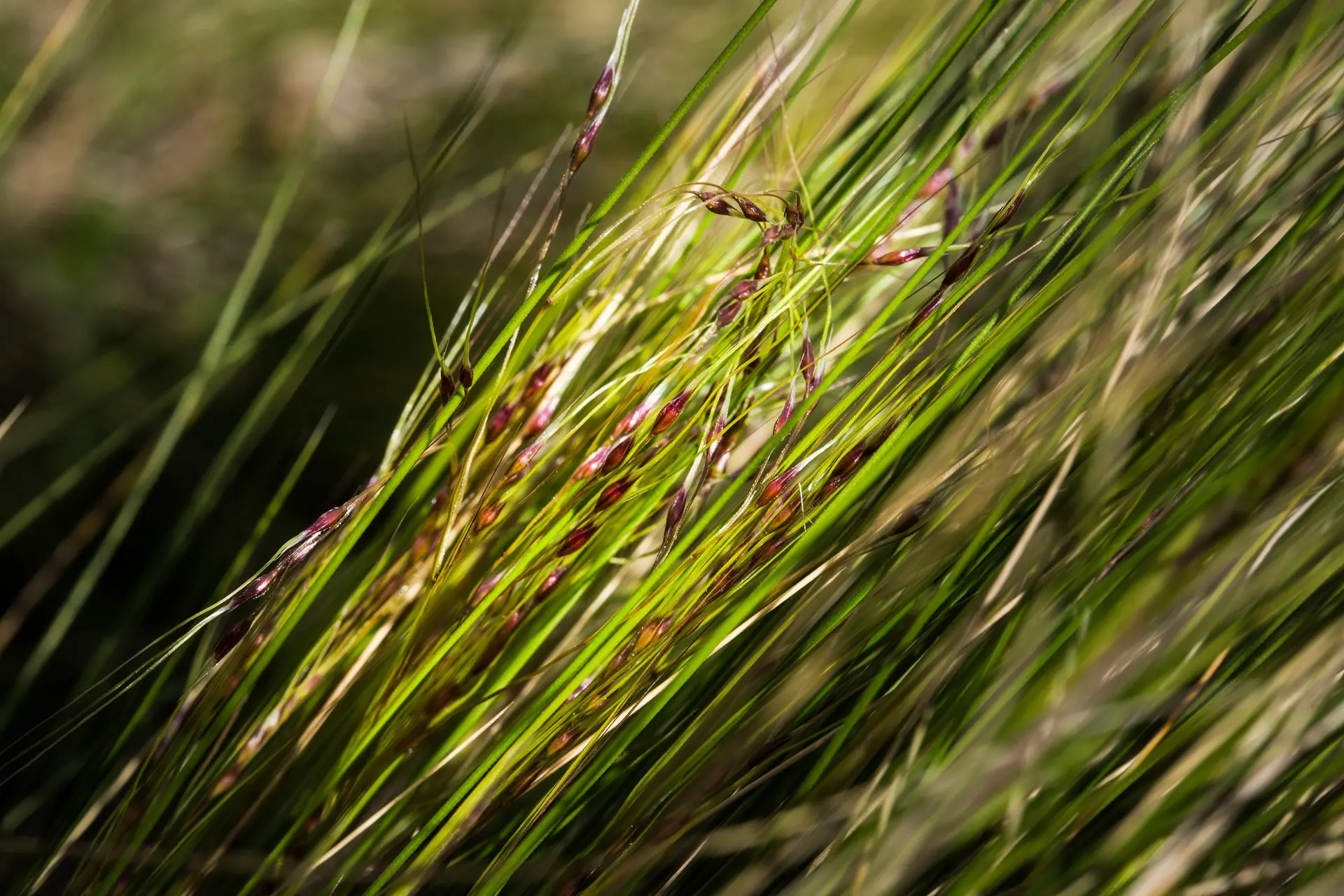

PHOTO
Rural communities are being urged by Environment Canterbury to stay vigilant for nassella tussock plants as spring approaches in a bid to halt any new infestations before they become established.
While the invasive pest grass remains concentrated in parts of North Canterbury, it continues to be discovered in new areas across the region, highlighting the importance of early detection.
Nassella tussock is one of Canterbury's most persistent pest plants and poses a serious threat to productive farmland.
Once established, it can spread rapidly and become difficult and costly to control, making early identification and action critical.
For decades, Environment Canterbury's biosecurity team, contractors and landowners have worked together to manage the pest, helping to reduce its impact across the region.
Now, the focus is increasingly shifting towards identifying outbreaks sooner and preventing the pest from gaining a foothold in new locations.
Senior Biosecurity Officer Noel Crump says every property plays a role in limiting the spread of nassella tussock, with efforts across the landscape helping protect neighbouring farms and the wider region.
“Continued surveillance is important, particularly as the pest can spread beyond known infestation areas.
‘‘Detecting and managing isolated plants early remains one of the most effective ways to prevent larger infestations developing in the future,” says Noel.
Environment Canterbury is encouraging people to familiarise themselves with nassella tussock and report or seek advice if they suspect they have found a plant.
Maintaining momentum in the fight against the nassella will help protect Canterbury's productive farmland and reduce the risk of further spread.
For more information go to ecan.govt.nz/nassella