
PHOTO
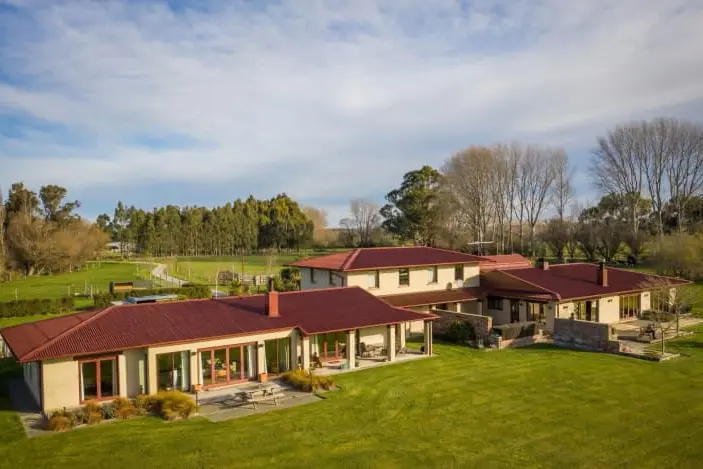
A Canterbury eating disorder residential facility says it still can't attract Government funding despite saving the lives of those admitted there.
Recovered Living cares for just nine people at a time and patients can stay for months, but it costs more than $8000 dollars a week.
The Sefton facility has raised concerns the care is too expensive for some, with people facing long wait times and under resourcing within the public system.
Wellington woman Gabby Greally told Checkpoint her treatment at Recovered Living saved her life.
In 2024, she was admitted after facing a seven-month wait to see a specialist through the public system.
"Before my stay, I was not in a good place, mentally or physically. I was looking at a point where I might not have made it.
"You go in and the nature of eating disorders, a lot of the time you actually don't want to get help, I came in with that mindset.
"The beautiful thing about Recovered Living is that they cultivate an environment where you eventually realise you do want to get better."
Greally stayed at Recovered Living for six months, before being discharged and returning to university.
She's now hoping to get into honours law, do an overseas exchange and go travelling.
"The future looks really good for me, but I think every day I am so lucky, because there was a long period of time maybe six years, where I thought I don't think this is ever going to get better, I think I am going to live like this for the rest of my life."
To stay at Recovered Living, it costs $8050 dollars a week for 24/7 support, medical appointments, as well as therapy and nutrition sessions.
The not-for-profit charity also has a contract with ACC for sensitive claims patients, but patients not covered by ACC have to fund their own stay.
Greally said her family had to borrow money to afford the fees.
"People are dying from eating disorders because they can't get into treatment and they can't afford treatment ... it's not really talked about.
"I know that this will save people's lives, and if it closes down, lives will be lost."
In the three years since opening, Recovered Living has looked to the government for support.
Board chair Rāwā Karetai-Wood-Bodley said funding would help to open their services to more people.
"At the moment, we are largely only able to support people from wealthy backgrounds, or people who are mortgaging their houses to help save their own lives or the lives of their children."
Although Recovered Living is still taking referrals, he said they're urgently looking for support from organisations, charitable trusts and businesses.
"We have seen other entities in similar positions not be funded, and in fact we had one close at the end of last year in Wellington that was in a not too dissimilar situation."
Tuilla Wilson, acting programme manager, said alongside group and individual work, Recovered Living's specialist programmes also help reintegrate people to everyday life.
"Recovered Living exists as a place where hope doesn't die. People can come here and experience life and they can see recovered people living.
"They can see staff members that genuinely love what they are doing, they turn up passionate, they turn up because they care about what they are doing and they know what we are doing is lifesaving care."
Andrea Bonetto, chair of the Eating Disorders Association New Zealand, said she'd like to see better support across the whole sector.
"Everyone should get the care that they deserve at any and every stage of their recovery and we understand with Recovered Living, the frustration that they must have, not getting funded.
"We also understand Te Whatu Ora has to make some difficult decisions with the limited resources that are available to them."
Health New Zealand's executive national director of mental health and addictions, Phil Grady, told Checkpoint their priorities are focused on strengthening earlier intervention and expanding access to evidence-based outpatient and community services.
He said they can provide transitional support to current Recovered Living clients.
Last year, the Ministry of Health received a $4 million per year funding boost for eating disorder services.
It's estimated about 100,000 New Zealanders have an eating disorder.
