
PHOTO
Hurunui’s mayor has praised the contributions of non-elected council committee members as legislation to remove their voting power goes before Parliament.
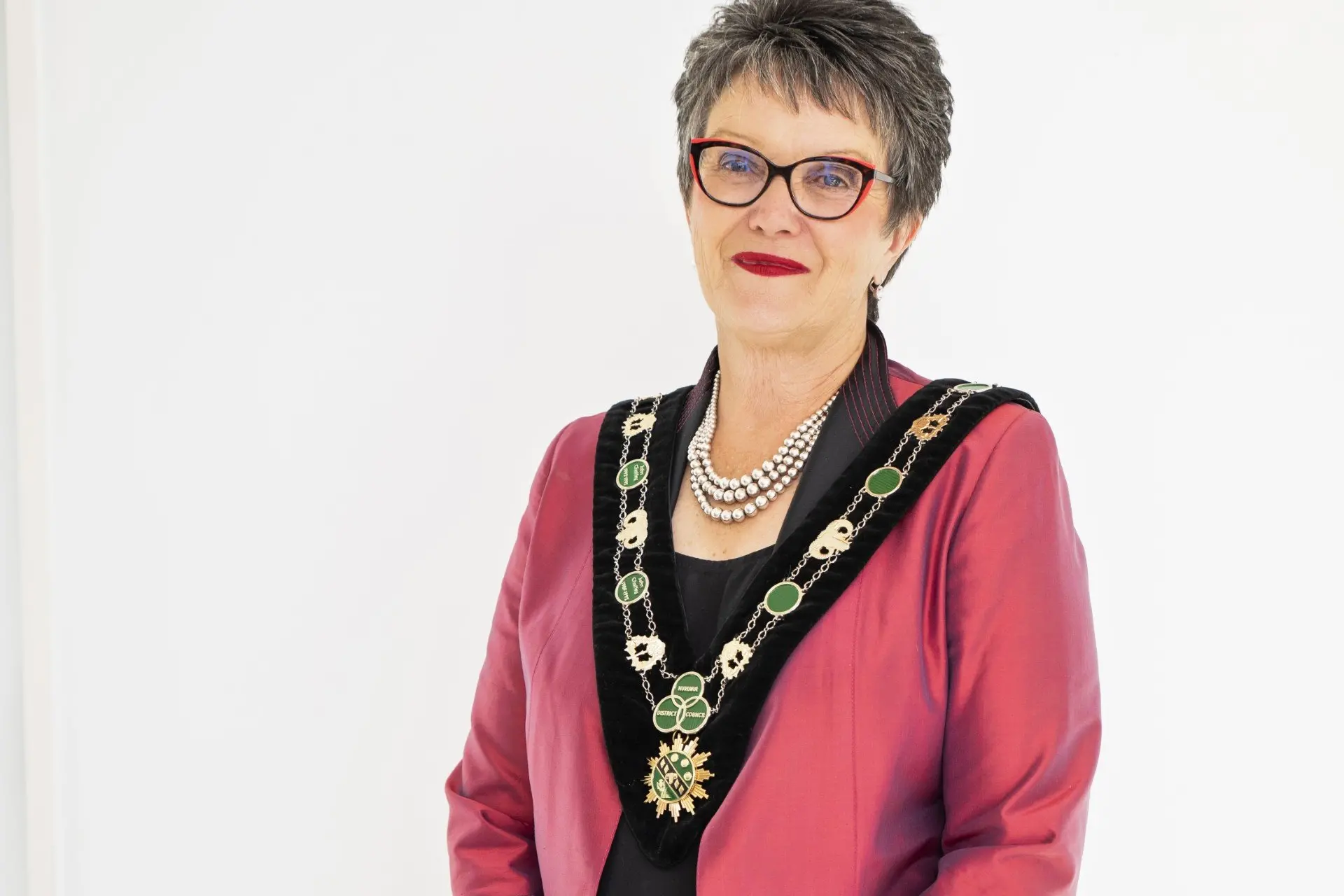
Marie Black said non-elected voices played a valuable role in serving the community, and taking away their ability to participate in decision-making would trigger a rethink for Hurunui District Council.
Non-elected members have been appointed to several council committees, including the Hurunui Youth Council, local community committees and the audit and risk committee, which had delegated responsibilities and budgets.
The Government announced changes to the Local Government (System Improvements) Amendment Bill in June, which would remove voting rights for unelected members on council committees.
Should the legislation pass into law, councils will have six months to review their delegations and appointments before the law change takes effect.
‘‘We have got to watch that space. Those committees have delegated authority and budgets to make some decisions on behalf of council,’’ Mrs Black said.
‘‘Any major decisions come back to the council.’’
The Hurunui District Council appointed four community committees at the start of each council term, which operated like community boards, but members were not elected.
Other committees with non-elected members included the Hurunui Tourism Board, the Hurunui Youth Council and the Hanmer Springs Thermal Pools and Spa management committee.
An independent member was appointed to provide expertise on the audit and risk committee, which provided oversight on finances and risks to the council.

Waimakariri District Council chief executive Jeff Millward said it was common for councils to appoint non-elected members to committees, especially audit and risk committees, often to provide expertise.
‘‘We have been looking at it for the audit and risk committee, so it will mean they won’t be able to have voting rights.
‘‘But I don’t think we have many situations where committee members are not elected, so it will have little effect on us.’’
Aside from the Waimakariri Youth Council, there were appointees on the Rangiora Airfield Advisory Group and Te Kōhaka o Tūhaitara Trust.
The advisory group made recommendations to the council, while the trust was a separate entity.
The council appointed independent members, such as Te Ngāi Tūāhuriri Rūnanga representatives, to council working groups, but these were not decision making bodies, Mr Millward said.
When making the announcement in June, Local Government Minister Simon Watts said concerns had been raised about non-elected members ‘‘undermining decision-making and diluting the influence of democratically elected members’’.
‘‘We’ve seen examples in the Far North, in Tauranga and in Hastings where individuals, such as iwi representatives and young people aged under-18, have been appointed to council committees and given voting rights without being elected by the community.
‘‘Councils can still appoint non-elected members to offer professional advice and represent communities but those appointments will not come with voting rights or count towards a quorum.’’
■ LDR is local body journalism co-funded by RNZ and NZ On Air.