
PHOTO
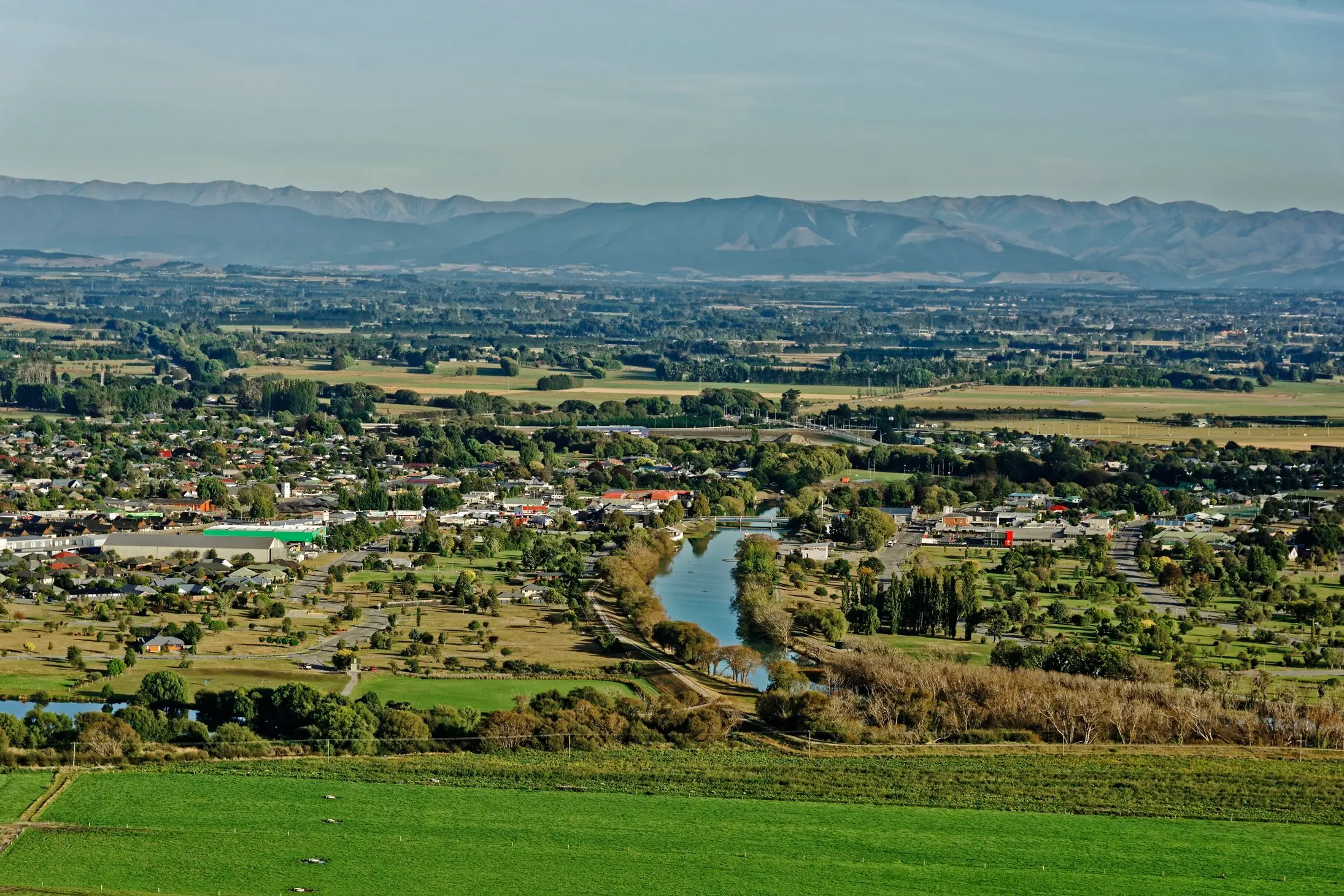
North Canterbury council bosses say the Government is lumping them with reform costs, while removing the ability to raise extra funds through rates.
Local Government Minister Simon Watts confirmed last week a rates cap of between two and four percent will be imposed on councils from 2029.
Councils will now need to consider the target range when preparing next year’s Long Term Plans.
Exemptions will be available to councils in ‘‘exceptional circumstances’’, such as natural disasters, Mr Watts said.
But North Canterbury’s councils said the biggest drivers of rate rises were inflation, costs imposed by Government such as water reforms, and roading and infrastructure.
Waimakariri District Council chief executive Jeff Millward said the rates cap will put pressure on councils funding regional spatial plans, local government and Resource Management Act reforms, climate change adaptation and other regulatory costs.
‘‘The list keeps growing for all these unfunded mandates, with inflation still remaining high.
‘‘We will manage our finances prudently, but we are not magicians.’’
Preparing next year’s Long Term Plan will be challenging given the uncertainty with Government reforms, Mr Millward said.
Waimakariri Mayor Dan Gordon said more work needed to be done to fully understand the impacts of a rates cap, including how exemptions will work and how a rates cap will impact growth councils.
‘‘Removing a funding lever from councils without clarity around how the costs and pressures it was intended to manage can be addressed creates another challenge for local government.’’
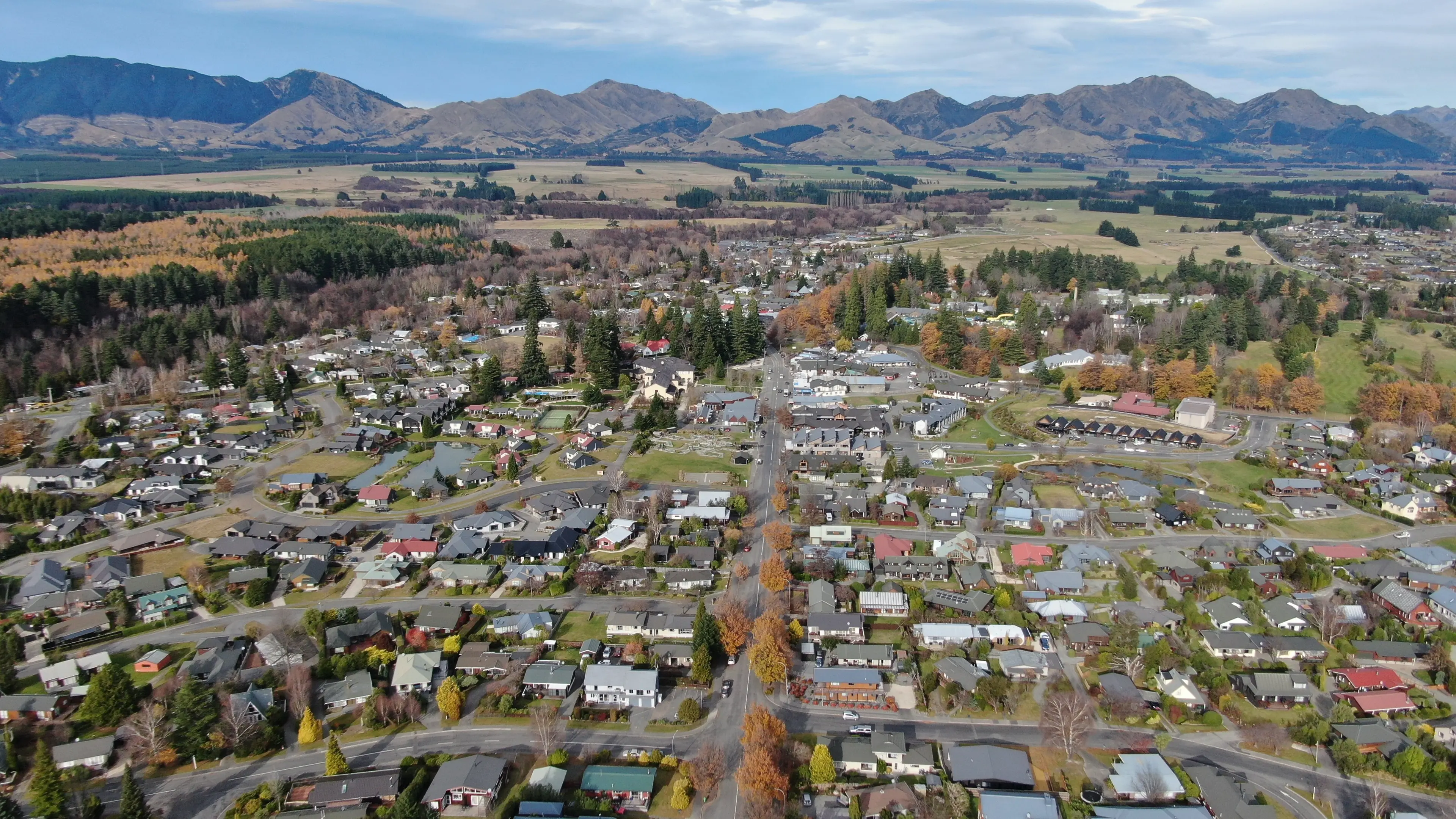
Hurunui District Council chief executive Hamish Dobbie said rising costs meant it was not always possible to keep rates down.
‘‘I don’t think we are a council which tries to do anything too fancy.’’
He said inflation and rising construction costs and roading costs, such as bitumen, contributing to rising rates.
Upgrading Hurunui’s three waters infrastructure has driven some large rate rises in recent years.
Hurunui’s three waters services are now managed by Kaikōura Hurunui Water Services Ltd and exempt from the rates cap.
But Mr Dobbie said the new company is aware the new water levy will be paid by the same ratepayers.
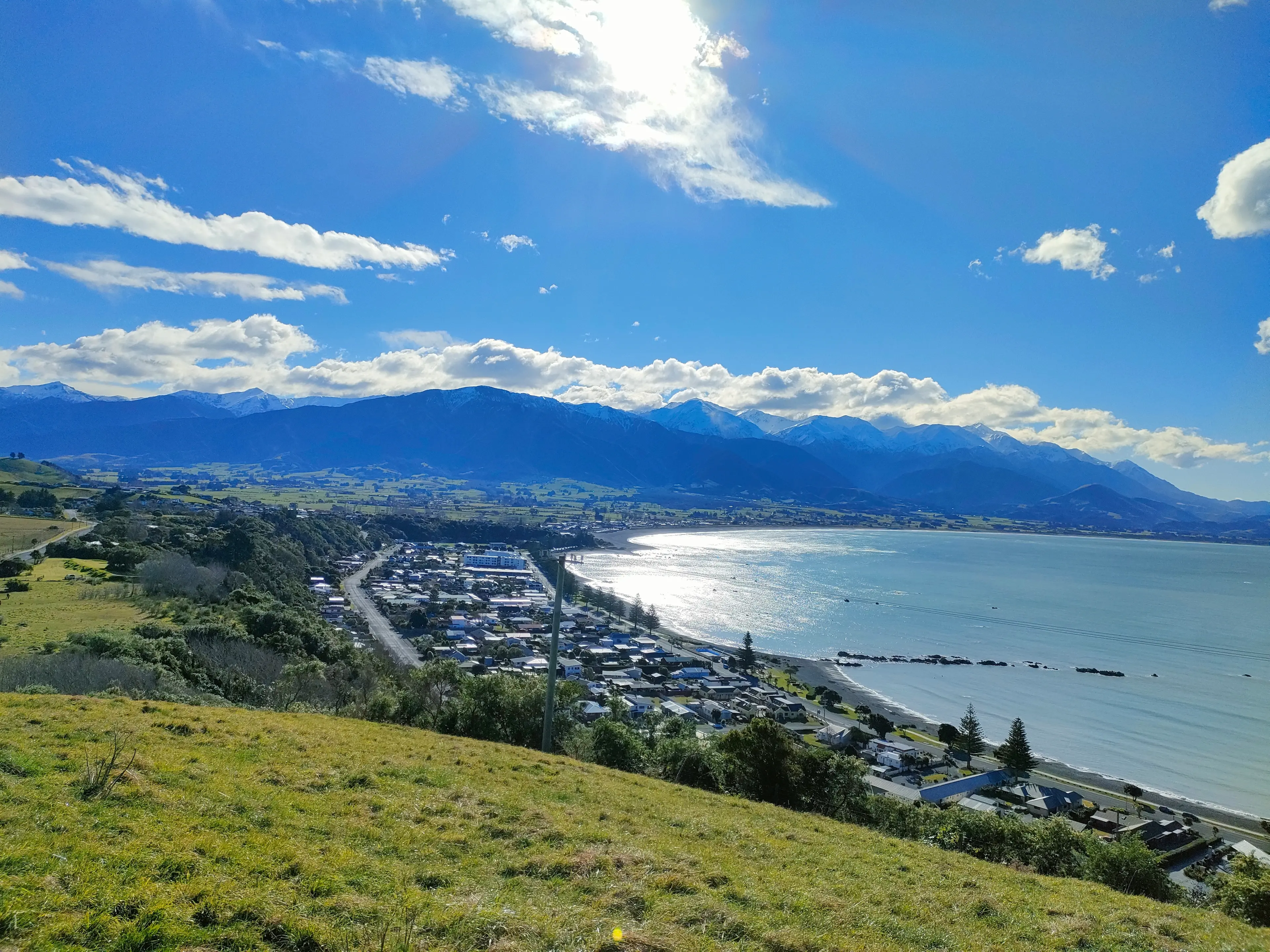
Kaikōura District Council chief executive Will Doughty said a rates cap will restrict the ability of small councils to meet the needs of the community.
‘‘It seems central Government is consistently asking us to do more and more with less and less, which is unlikely to result in good outcomes for the community.’’
Mr Watts said ratepayers have been hit with ‘‘steep and unexpected rates increases’’ for far too long.
‘‘Ratepayers nationwide have been hit with median increases of 14.2% and 9.2% over the past two years respectively.
‘‘This rates cap is about driving greater fiscal discipline, keeping rates affordable, and ensuring councils are focused on delivering the services ratepayers rely on.’’
The Government wanted councils to focus on the basics, such as fixing potholes, collecting rubbish and managing pools and parks, he said.
But he acknowledged there were circumstances beyond councils’ control, such as natural disasters.
‘‘Exemptions will not be granted lightly and will only be available in exceptional circumstances where there is strong justification.’’
■ LDR is local body journalism co-funded by RNZ and NZ On Air.