
PHOTO
Kaikōura was ''unbelievably lucky'' the Kowhai River did not burst its banks in last month's flood, mayor Craig Mackle says.
More than 450mm of rain is believed to have fallen in the July 7 and 8 flood, but flood protections and the stopbank held firm to protect the town.
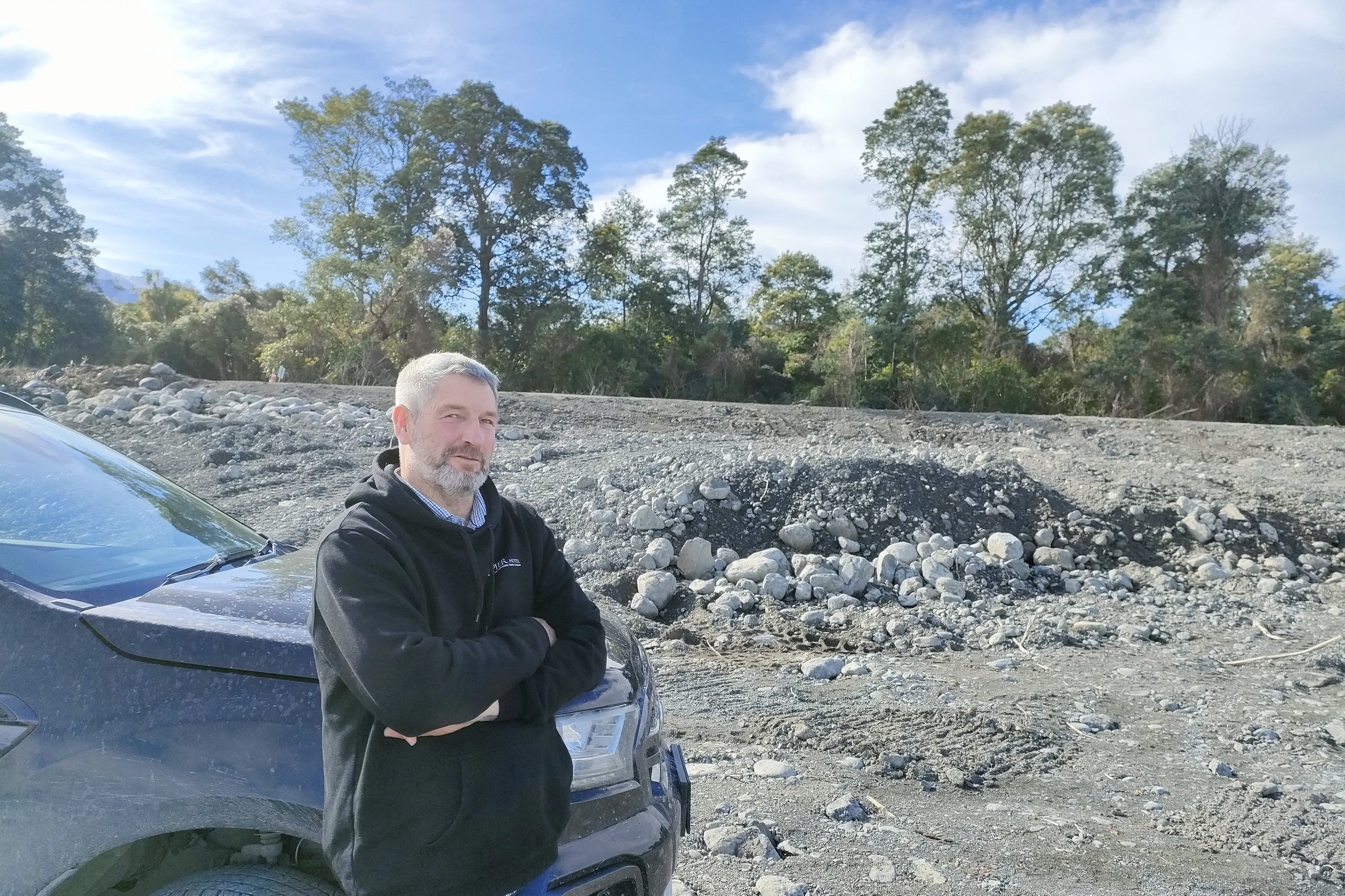
‘‘We got unbelievably lucky. Most people will never realise how close it came. It was pouring down and we were waiting for it to blow,’’ Mr Mackle said, while surveying the Kowhai River bed and stopbank last week.
‘‘We had evacuated houses and we were preparing for the worst, and then it stopped raining around midnight (on Wednesday, July 8).
‘‘The river dropped enough, so it didn’t breach the bank any further. We are talking five to 10 minutes more rain and it would have been hitting Kaikōura.
‘‘But it had already brought down a lot of shingle and it brought down more the next day.’’
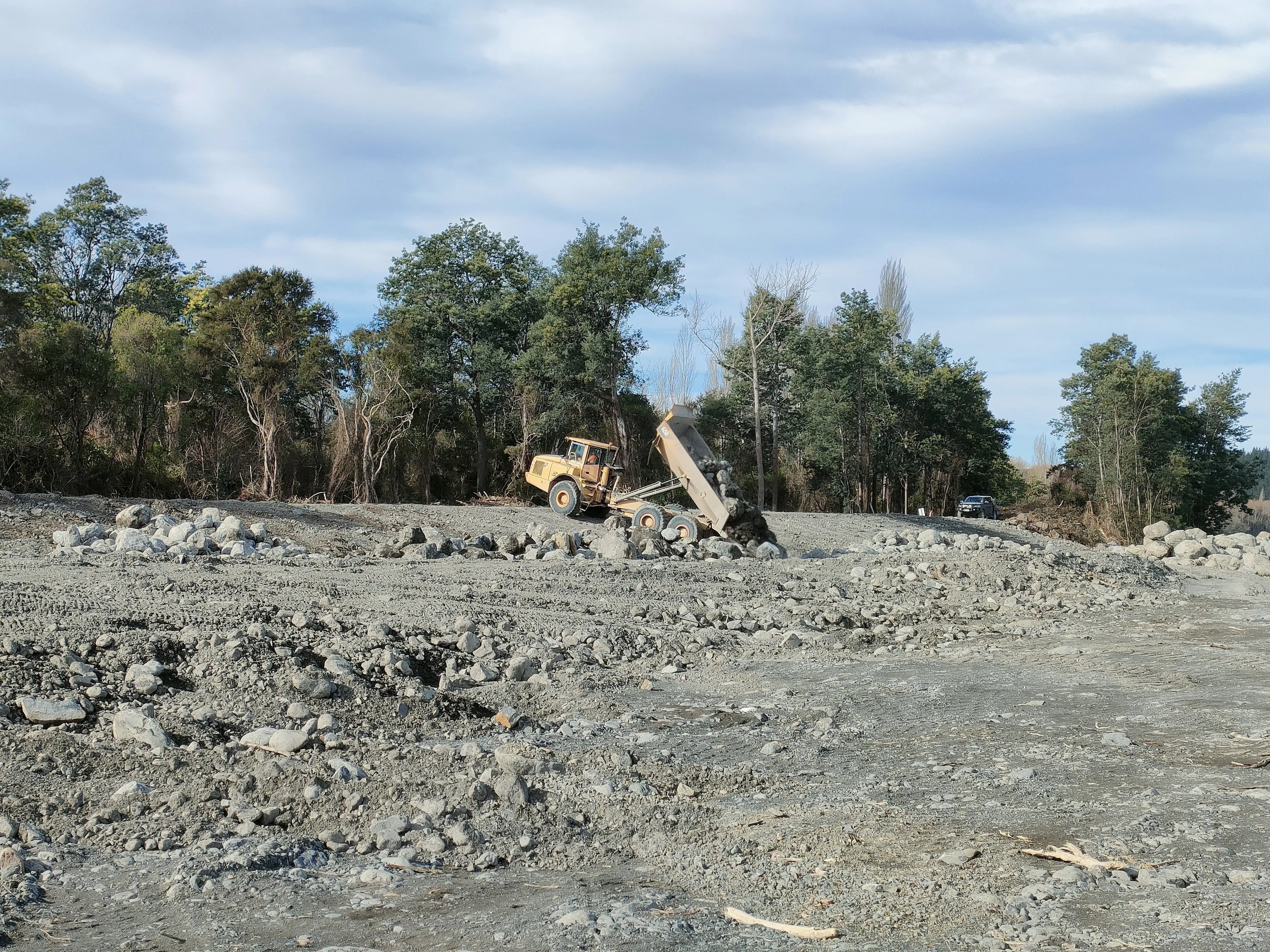
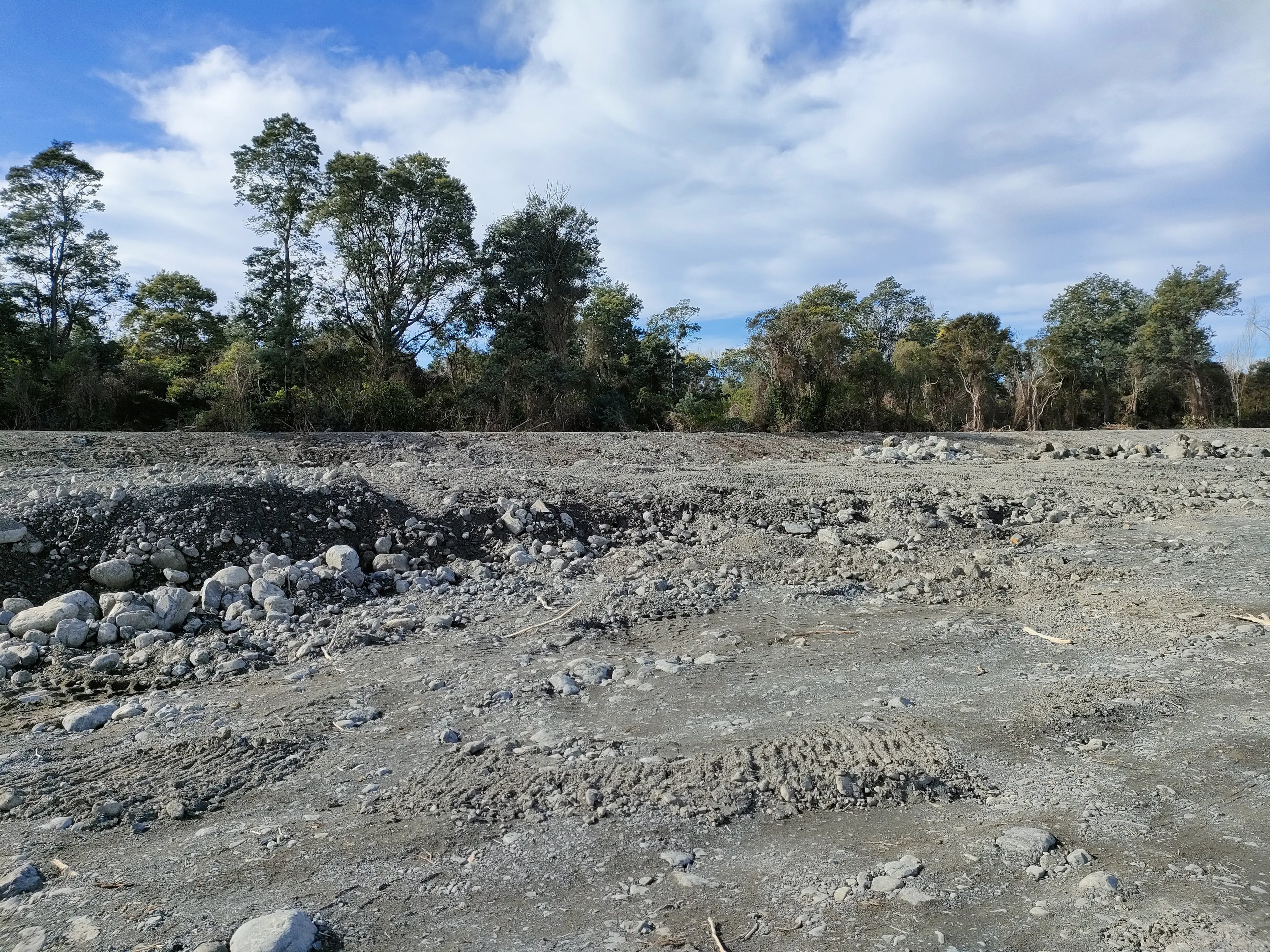
Millions of cubic metres of gravel was brought down in the flood, raising the river bed by five to seven metres in places and leaving the stopbank barely visible.
It means if another flood was to happen soon, there is little to stop floodwaters reaching the town, he said.
But Mr Mackle is not surprised, after the 7.8 magnitude earthquake in November 2016 dislodged massive amounts of gravel in the hills.
‘‘If we get a decent rain in the next wee while, it (the stopbank) isn’t going to do very much until we can get a protective layer.’’
Having grown up on the bank of the Kowhai River, Mr Mackle understands the river better than most.
Part of the Mackle family farm was sold to Environment Canterbury after the 1993 flood, which devastated the town, to offer an extra layer of flood protection.
‘‘In a flood the Kowhai goes bank to bank. The rest of the time it’s virtually empty.’’
While the town has been spared for now, rural parts of the district have begun a long and expensive clean up.
The Cribb Creek bridge on Kaikōura Inland Road came through the flood relatively unscathed, but around 53 metres of road approach on the Kaikōura side was wiped out by the floodwaters.
Further along the road, floodwaters brought down so much gravel the Linton Creek bed was level with the bridge.
‘‘There was so much gravel which came down, they had to clear it so the creek could go under the bridge,’’ Mr Mackle said.
On the flats to the north of the town and in the Puhi Puhi Valley there was considerable damage to roads, bridge approaches and cycle trails.
The council is anticipating a repair bill of between $3m and $5m.
On farm, there has been considerable damage to fences, farm tracks, land slips and infrastructure, with some facing multi million dollar repair bills.
ECan has estimated the repair bill to rivers will be in the tens of millions of dollars, while Waka Kotahi NZ Transport Agency is estimating a $5m repair bill for State Highway 1.
■ LDR is local body journalism co-funded by RNZ and NZ On Air.