
PHOTO
Thirty-six people in Canterbury caught Legionnaires’ disease over the past year, prompting a warning from health officials.
Health New Zealand is reminding New Zealanders to take precautions to protect themselves against the disease when gardening this spring after 135 people were hospitalised with the illness between September 1, 2025, and August 31 this year.
Canterbury accounted for two-thirds of the 54 cases recorded in the South Island over that period.
Forty-six people were hospitalised with the disease in the South Island and there were 152 cases across New Zealand in this period.
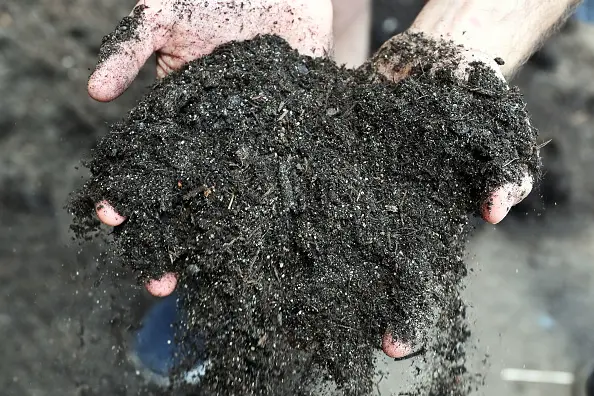
Health New Zealand said people should take precautions while gardening as Legionella bacteria can thrive in moist environments and stagnant water, including potting mix, compost and other soil products.
The disease is a type of pneumonia caused by breathing in the bacteria, with public health officials recording an increase in notifications linked to soil products each spring.
In a statement, medical officer of health Dr Matthew Reid said the disease could cause severe illness, but there were some simple precautions to take while gardening to protect yourself.
These included wearing gloves an a well-fitting face mask like an N95 mask, available from DIY or gardening stores.
He also recommended to dampen down soil products to reduce dust and washing and drying hands thoroughly after gardening or handling potting mix.
Dr Reid said not everyone who breathed in legionella bacteria would become sick and some people would develop a milder illness called Pontiac fever.
The diseases symptoms are similar to a flu-like illness, which typically worsens over several days and requires treatment with antibiotics. Symptoms include
- cough
- shortness of breath
- high fever
- muscle aches
- diarrhoea
- feeling sick or throwing up
- stomach pain
- headaches
- excessive sweating.
If you experience the symptoms of Legionnaires’ disease, particularly after using potting mix or compost, contact your usual health care provider for advice or call Healthline on 0800 611 116. — Allied Media