
PHOTO
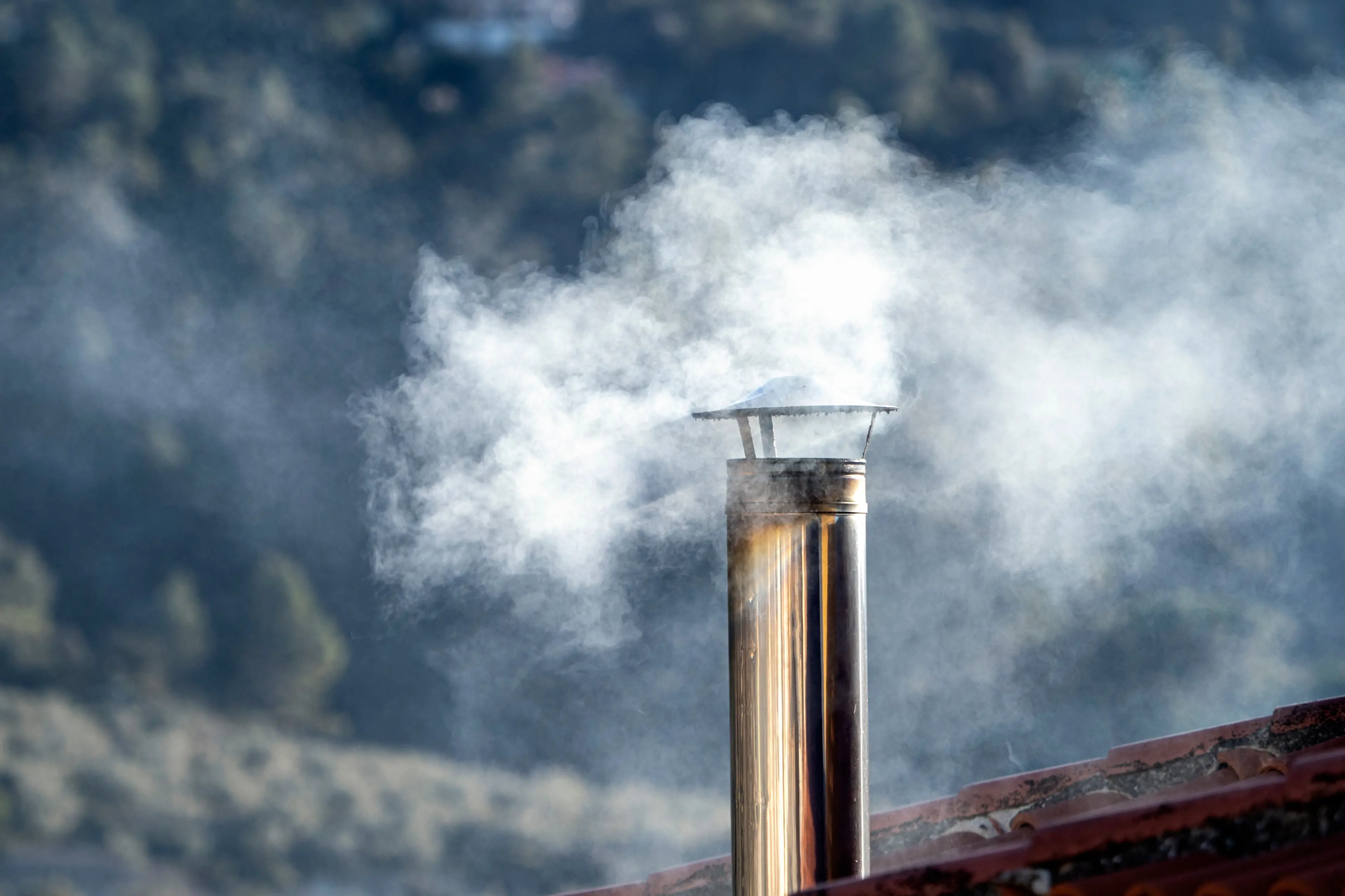
A Rangiora resident says his health is being impacted by his neighbour burning treated timber.
Andre Chamberlain has lodged a complaint with Environment Canterbury (ECan), but the burning of non-compliant wood has not stopped.
‘‘They’ve done it before. They were compliant for a while and then they started playing up again three weeks ago.’’
An ECan spokesperson confirmed the council has received a complaint and is investigating.
North Canterbury councillor Claire McKay, ECan’s environmental regulation lead councillor, said treated timber should never be burned in a log burner.
‘‘The smoke from home fires doesn't stop at property boundaries.
‘‘What we burn at home affects the air our neighbours, whānau and community breathe.’’
Cr McKay said there have been improvements in air quality in recent years, but winter home heating continues to be a major source of air pollution.
‘‘That's why we're asking residents to think carefully about what they're burning and to avoid using fires to dispose of rubbish, treated timber, painted wood or other prohibited materials.’’
Just last month, ECan put out a reminder after a fifth high pollution day had been recorded in Kaiapoi.
High pollution days are recorded after PM10 levels at monitoring sites exceed the national health-based standard.
Under the National Environmental Standards for Air Quality, each airshed is allowed no more than one PM10 exceedance per year.
While air pollution could be easy to ignore, the health impacts were real.
Fine particles in smoke can affect respiratory and cardiovascular health, particularly for people who are more vulnerable to air pollution.
But small changes can make a big difference.
Residents should burn dry, seasoned and untreated wood in their log burners and operating the burners correctly can significantly reduce the amount of pollution released into the air.
- For more information, go to warmercheaper.co.nz.