
PHOTO
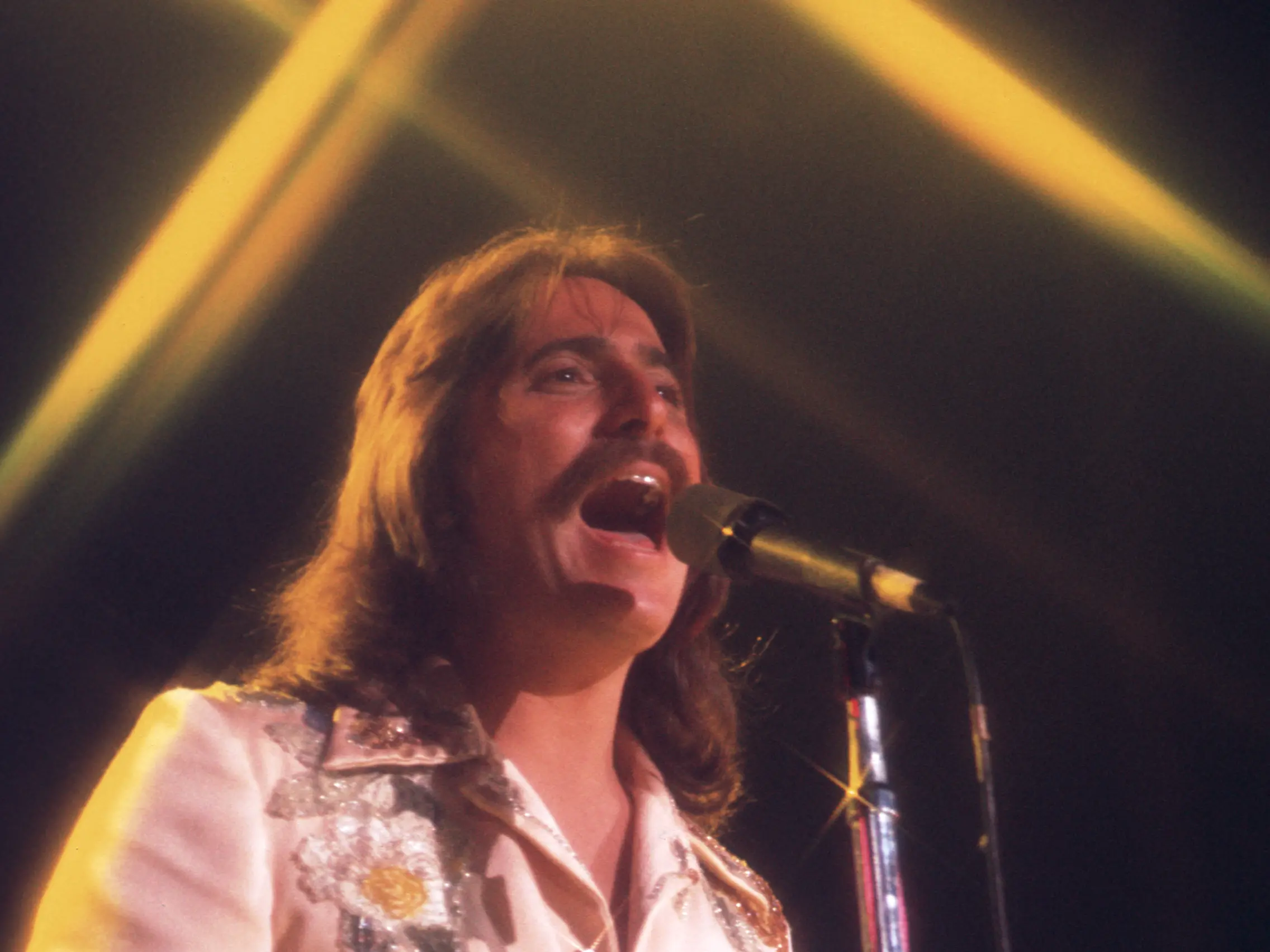

Chuck Negron was a founding member of the soul-rock sensations Three Dog Night, singing lead on such hits as One and Just an Old Fashioned Love Song and hollering the immortal opening line "Jeremiah was a bullfrog!" on the chart-topping Joy to the World.
New York-born Negron and fellow vocalists Cory Wells and Danny Hutton were Los Angeles-based performers who began working together in the mid-1960s, originally called themselves Redwood and settled on Three Dog Night, Australian slang for frigid outback weather. Between 1969 and 1974, they were among the world’s most successful acts, with 18 top 20 singles and 12 albums certified gold for selling at least 500,000 copies. The trio of stars worked themselves into a raved-up, free-for-all passion, as if each singer were attempting to vault in front of the others. "The Kings of Oversing," the Village Voice would call them.
Negron stood out for his drooping moustache, in contrast to his clean-shaven peers, and for his multi-octave tenor. He helped transform One, a Harry Nilsson ballad, from a breakup song to a cry of helpless solitude. And he helped convince Wells and Hutton not to pass on what became their most famous song, Joy to the World.
No-one seemed to care what "Jeremiah was a bullfrog!" was supposed to mean; it became a catchphrase of the era. Joy to the World outsold all other songs in 1971, received two Grammy nominations and lived on through oldies radio stations and movie soundtracks.
By the mid-1970s, the band was burned out, feuding and self-destructing. They broke up in 1976 before reforming; Negron had dropped out for good in the mid-1980s, when his drug problems led to his being fired. Negron cleaned up in the 1990s and wrote about his experiences in a tell-all 1998 memoir, Three Dog Nightmare.
Chuck Negron died on February 2 aged 83. — AP