
PHOTO
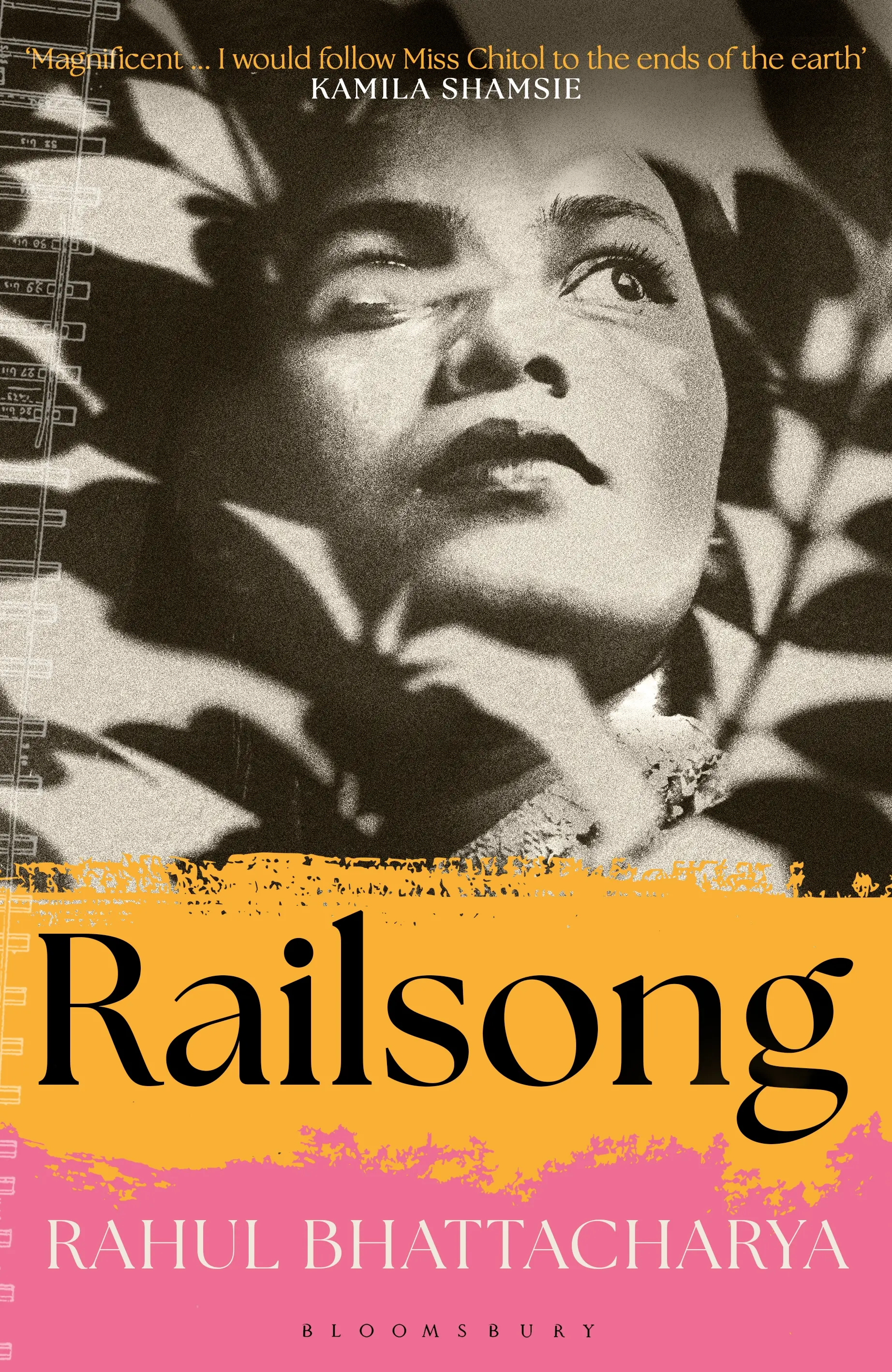
Railsong
By Rahul Bhattacharya
Bloomsbury
Reviewed by Jessie Neilson
Charu Chitol was born into the railway life in an India just growing into its independence.
Her father Animesh sets up home in the railway township of Bhombalpur.
He is employed at its railway workshop in the light machine area; he fixes, assembles and manufactures railway components.
Yet all he longs for is a garden, and a quiet cottage, in which to raise Charu and her brothers Dhrubo and Anando.
His beloved wife has died and flown to Thakur, the myth goes.
For his daughter, after the loss of her mother, the seasons, birds and bees continue “in all their wretched assuredness”.
It is the early 1960s and Charu as a young motherless child is teased at school as the daughter of a "flying dayin”.
Her dreamy father, who likes to write dashings of prose, welcomes, or tolerates, a succession of elderly mother figures into their modest home.
These aunts and grannies are poor substitutes, but they do add noise and clamour to her life.
Among them is Animesh’s own mother, who encourages her granddaughter to grow up solid and invulnerable.
Her efforts are not in vain, for Charu embraces her burgeoning independence and in doing so she mirrors the state of her own newly independent country.
The railway tracks and journeying are constant features of this substantial novel.
It is a tribute to the progressive nation-building unfolding against the enormous backdrop of India.
At railway stations one can witness modern life, even if behind these proud buildings life goes on shabby and impoverished.
Railsong traces moments of Charu’s youth and friendships; experiences beyond the normal such as a trip with her father to see diesel locomotives, and her growing awareness of the larger unrest.
The Indian Railways form a crucial backbone of India, yet with low pay for arduous labour, the atmosphere is one of grievance.
Labour unions form and large-scale strikes are met with punishment.
In her father’s experience, bit by bit the earth slips, eroding under one’s feet while you cannot always see it.
While largely observing from the seams, Charu’s personal growth springs into action as she leaves her small town at 16-years-old for Bombay.
Here, typically evocative prose speaks of her transforming, where “through the inky heart of 1974 the caterpillar crawled on”.
There are aspirations but little disillusionment, for she knows all about drudgery.
Charu is a gentle protagonist for us to follow, but she is also feisty and pushing beyond barriers.
She is self-aware, stepping outside herself at moments of pain or humiliation, as well as considering the notion of “grievance” and how it may fit in her world.
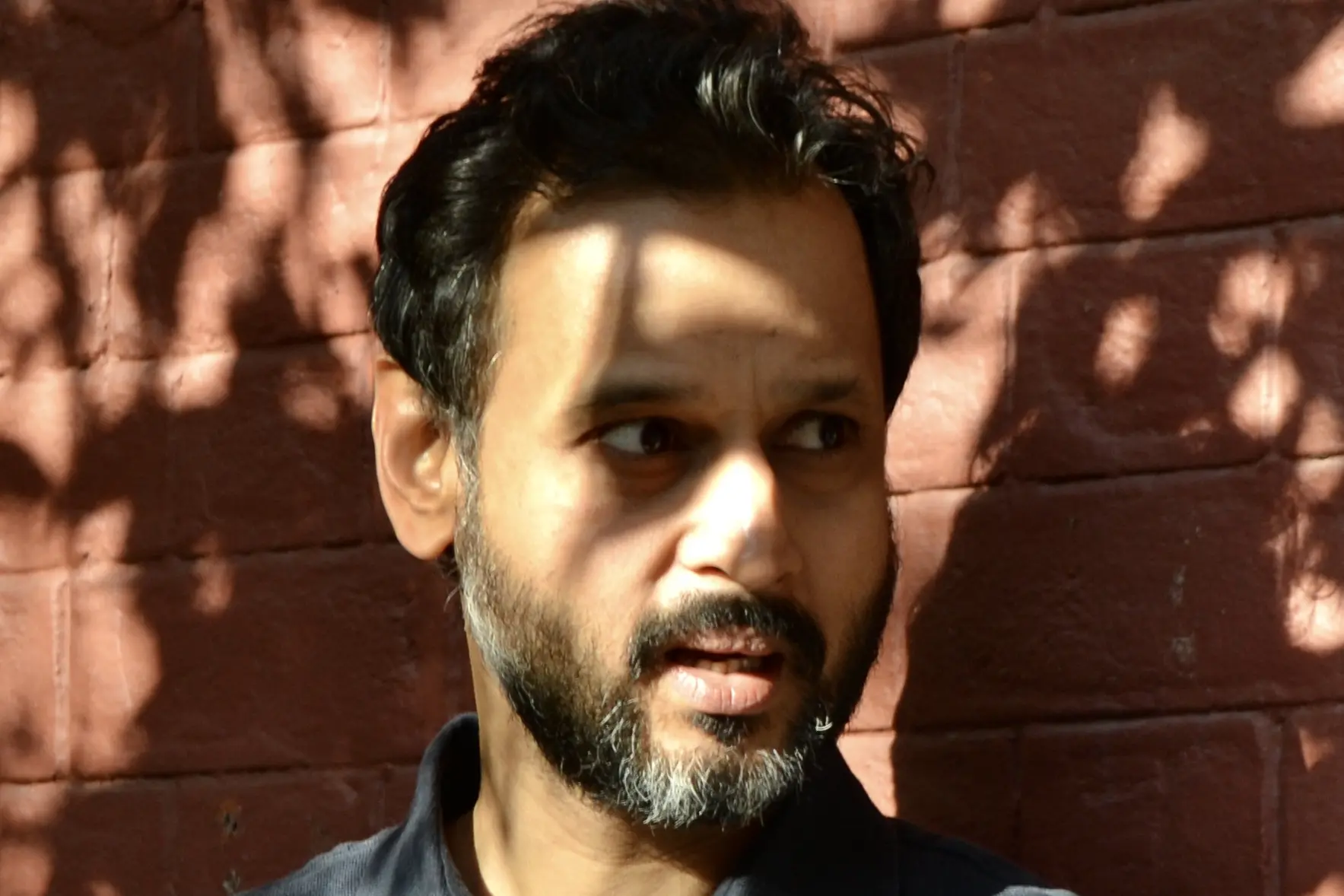
Rahul Bhattacharya is an Indian journalist, and this is one of several highly-acclaimed works.
There is no denying the quality of the writing, although often scenes are brushed in such a way that their meaning and allusions are unclear.
Additionally, many Indian words and concepts are unexplained, where an index could have helped.
The main decisive factor of readership will be the setting and content, for Charu’s world is grimy and unpleasant, littered with dust and poverty, crowded streets and disconnect from nature.
Still, Charu manages to find beauty within the noisy, dirty streets, where “the city will test you, it will flick its fingernails against you”, and the railsong, vibrating throughout, “plucks at our souls”.
Jessie Neilson is a University of Otago library assistant